
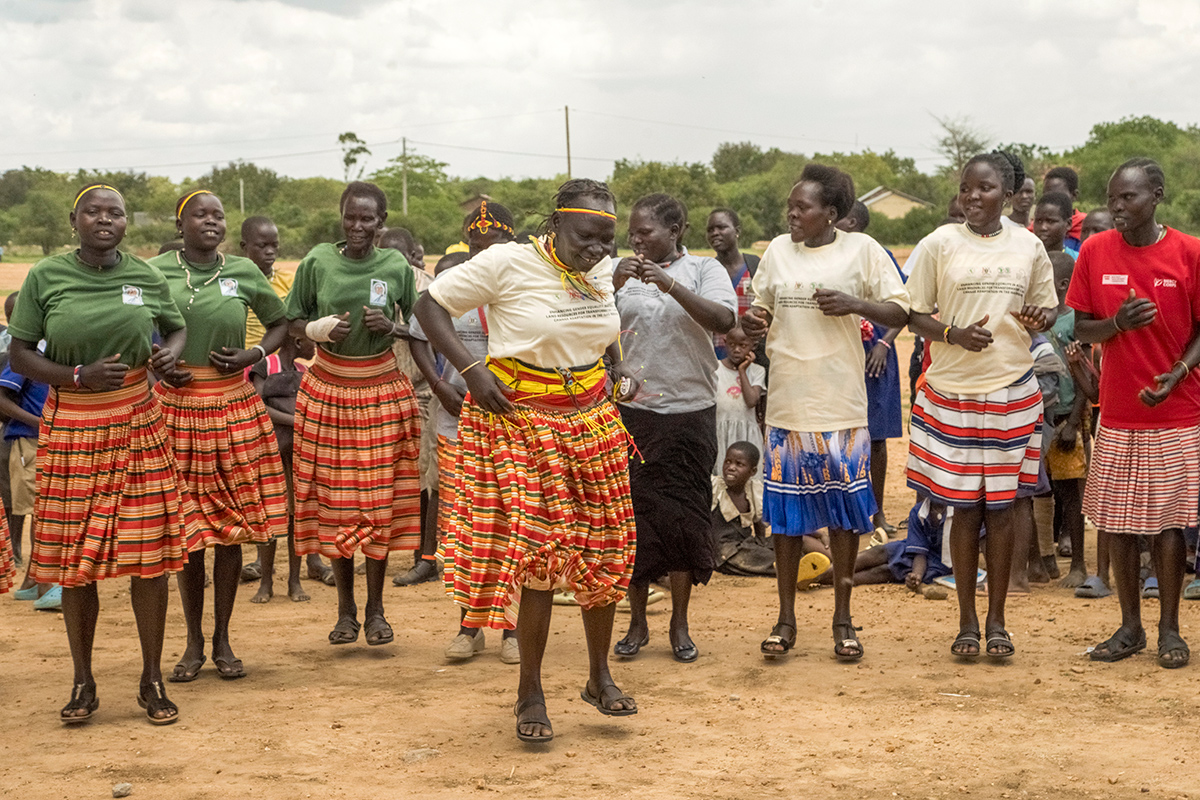

Somalia - Increased Resilience of Vulnerable Households, Especially Women and Youth, in the face of climate shocks
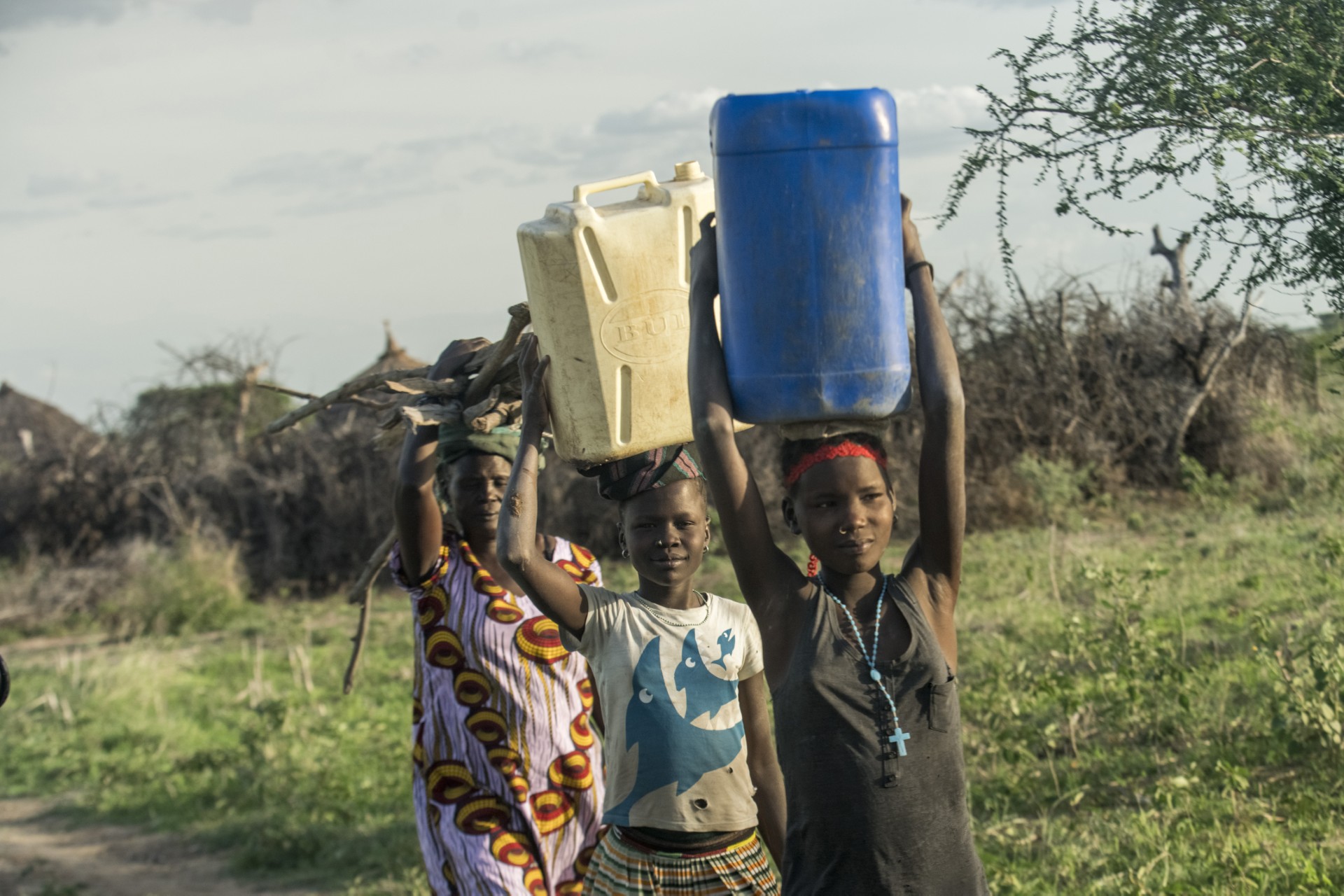
Projections indicate Somalia faces a nearly 2°C increase in maximum daily temperatures, threatening crop productivity thresholds and livestock welfare even further. To cope with climate-related impacts on livelihood, communities adapt to mechanisms that are detrimental to the environment. An assessment by FAO’s SWALIM revealed that the causes of land degradation in Somalia include overgrazing, deforestation for fuelwood and charcoal production, and poor agronomic practices.
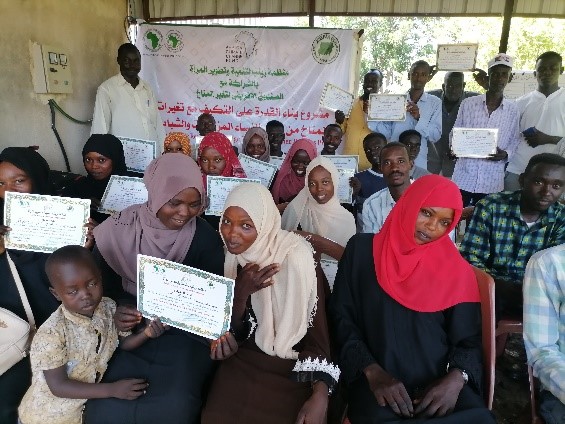
Sudan - Building Climate Resilience through Youth and Woman Farmers (Cancelled)

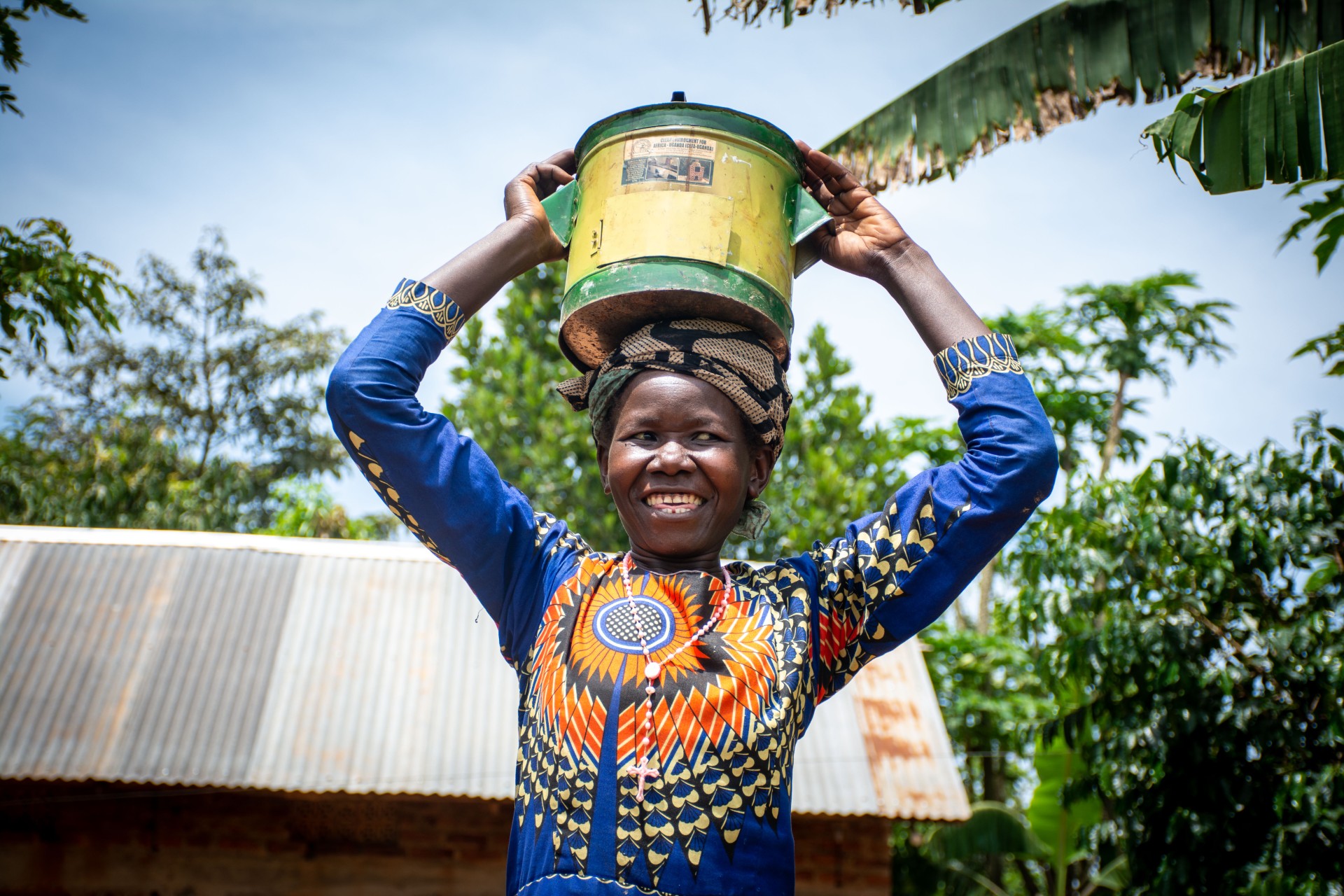
This proposal addresses climate-sensitive agricultural productivity and weak ecosystems that hinder the ability of youth (both female and male, aged 15–34) and women smallholder farmers to fight hunger and participate in the green growth of Sudan by enhancing the climate resilience — the ability to mitigate, adapt, and transform climate risks — of youth and women farmers in Gadaref. In Sub-Saharan Africa alone, there are over 50 million smallholder farmers producing food for millions more people across the continent.

Multinational - Enhancing Access to Climate Information in Africa

The project developed up-to-date information on climate change vulnerabilities, greenhouse gas emissions, and opportunities for adaptation and mitigation in 25 African countries, tailored to the specific needs of each country. It also provided training for staff in economic and planning departments to strengthen their capacity to understand and apply climate data. This support has enhanced the ability of African countries to strategically plan long-term climate interventions and to access international climate finance.