Togo/Burkina Faso - Towards Climate Resilient Shea Communities
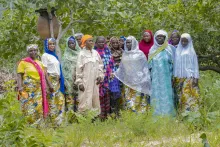
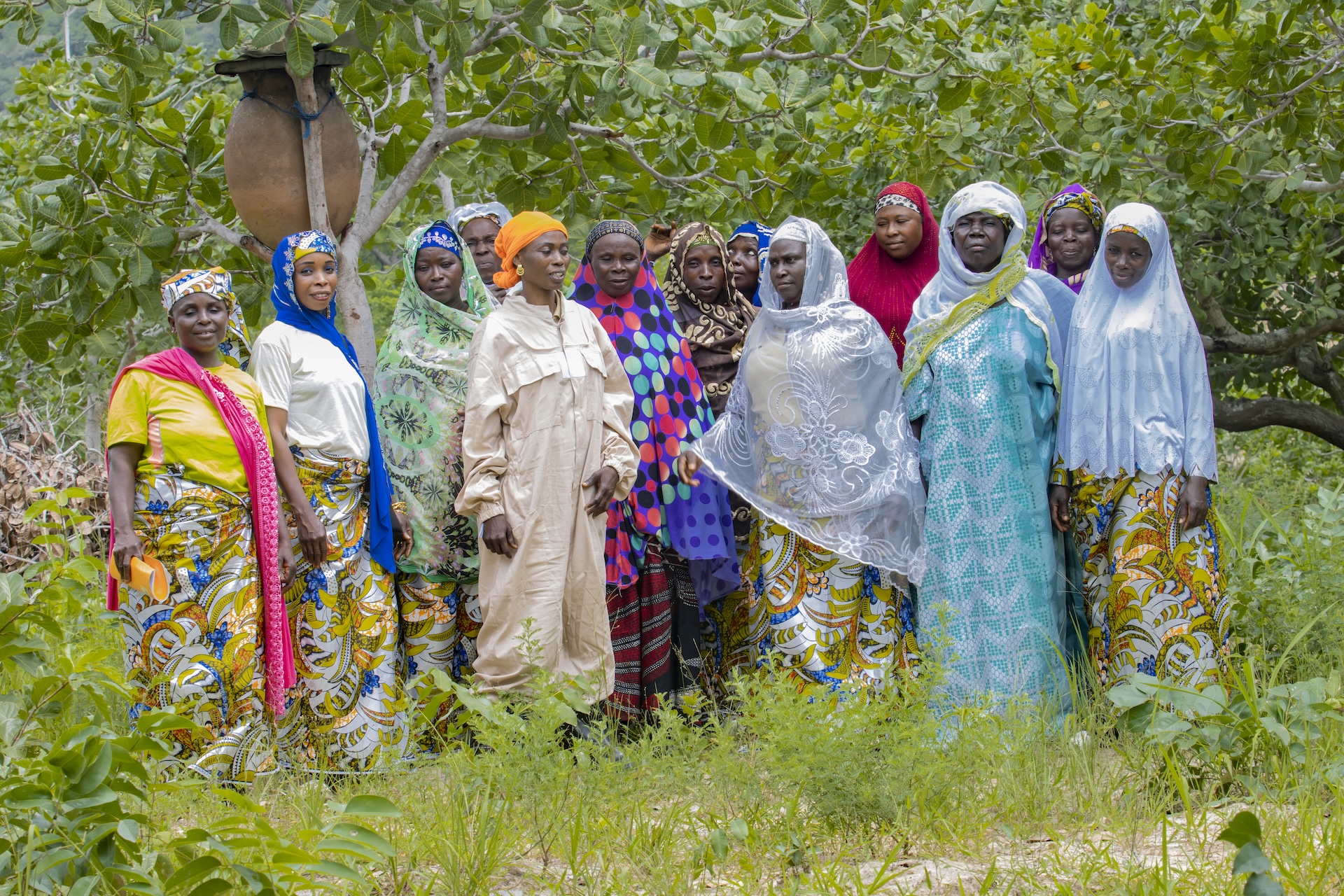
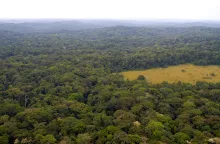
Shea trees grow naturally on 28 million hectares in traditional farming systems in Burkina Faso and Togo. The trees are integrated with crops on smallholder farms, creating an agroforestry landscape resilient to climate change. Indeed, every year, shea parklands in West Africa capture more than 1.5 million tons of CO₂. However, this ecosystem, which is key for climate change mitigation, is at risk.
Multinational - Establishment of a South-South Cooperation Programme to Support Direct Access to Climate Finance

Sub-Saharan Africa contributes less than 4% to global greenhouse gas emissions but remains the most vulnerable region to climate change impacts. Its economies, heavily dependent on natural resources and agriculture, face growing threats from extreme weather events such as droughts, floods, and temperature stress. Although many countries have developed Nationally Determined Contributions (NDCs), their implementation is constrained by limited financial and institutional capacities.

Multinational - Building Climate Resilience into Transboundary Infrastructure Projects

The project provided knowledge, capacity, and partnerships to support the climate-proofing of African infrastructure projects, focusing on two transboundary cases: the Togo and Benin section of the Abidjan–Lagos Coastal Corridor road project, and the Batoka Gorge Hydropower Project between Zambia and Zimbabwe. It also developed concept notes for submission to the Green Climate Fund (GCF).