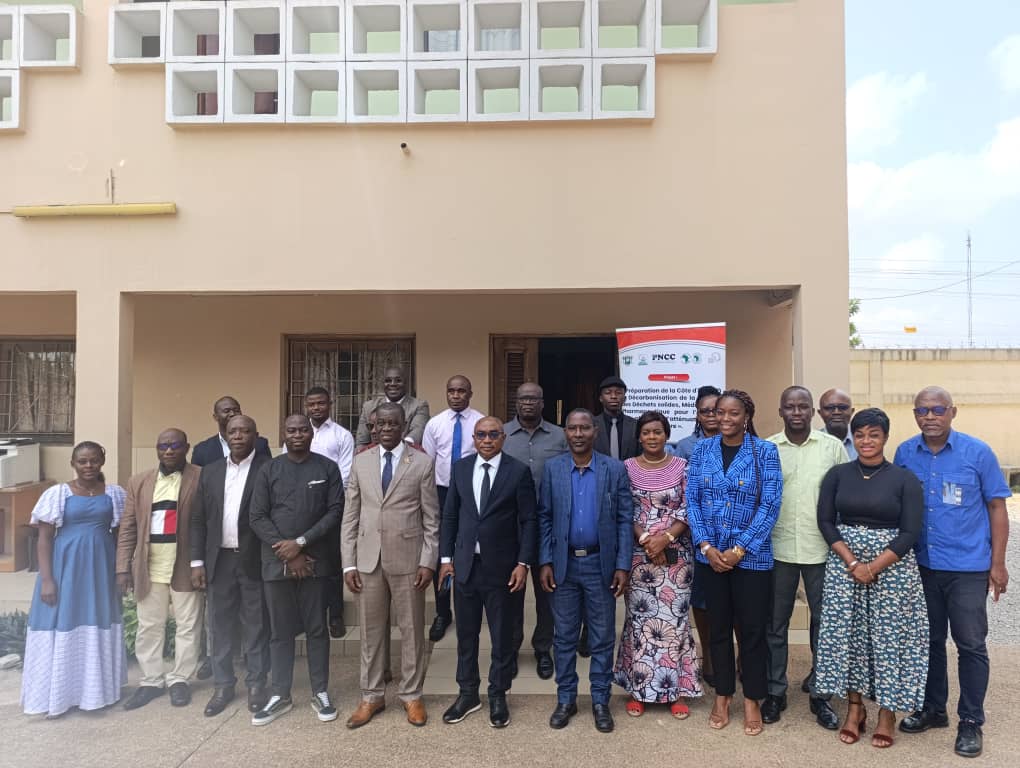

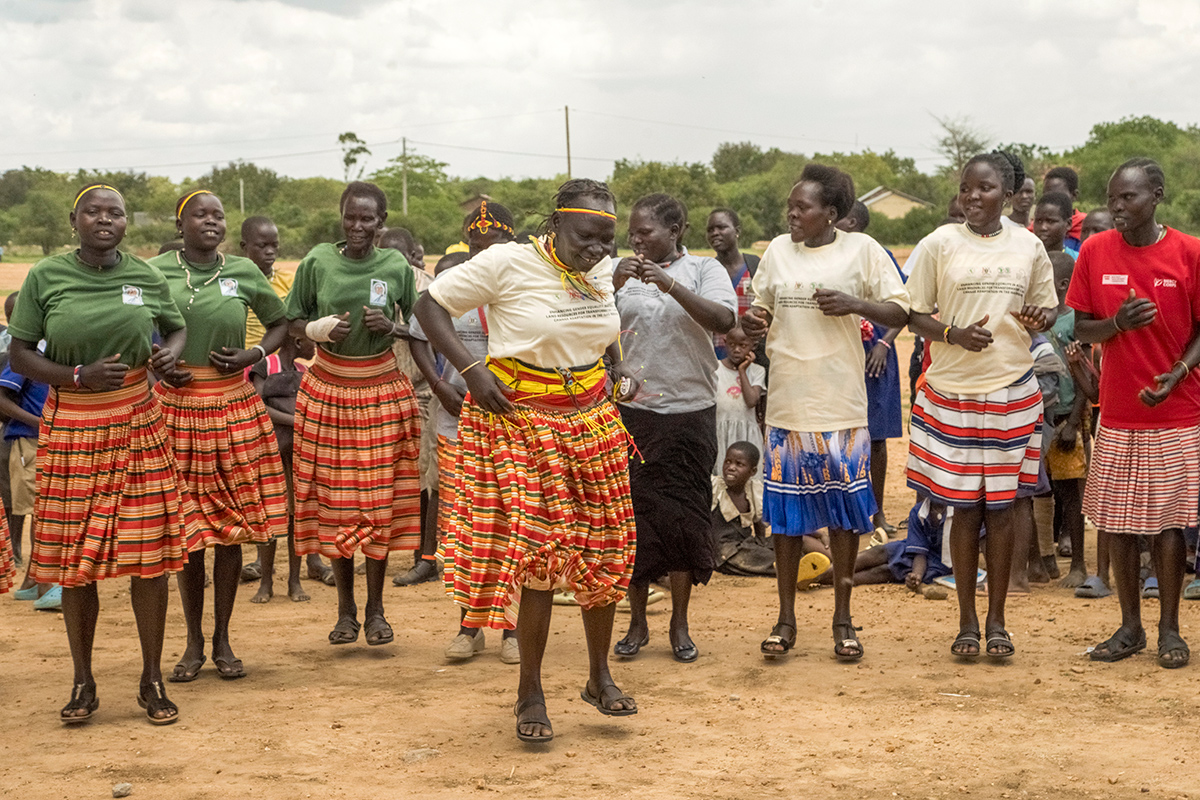

Côte d'Ivoire - Project to Prepare for Decarbonization of Solid, Medical and Pharmaceutical Waste Management
Côte d'Ivoire has committed in its Nationally Determined Contributions to reduce its greenhouse gas emissions by 30.40% in accordance with the Paris Climate Agreement. The waste sector, which accounts for 3.53% of national emissions, has been identified as one of the sectors with the highest greenhouse gas (GHG) emissions, behind the energy, agriculture, and forestry sectors.
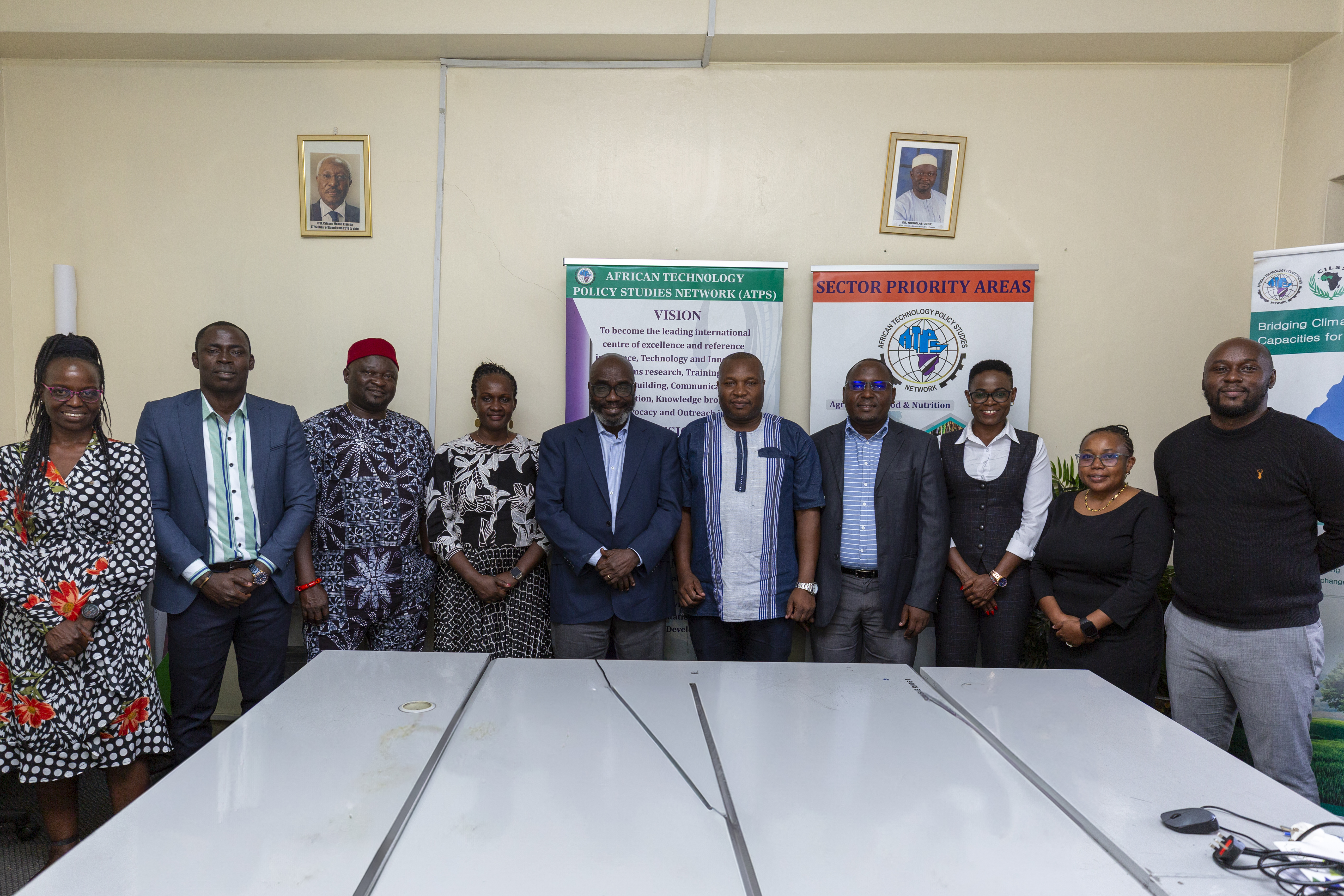
Multinational - Enhancing Access to Climate Information in Africa

The project developed up-to-date information on climate change vulnerabilities, greenhouse gas emissions, and opportunities for adaptation and mitigation in 25 African countries, tailored to the specific needs of each country. It also provided training for staff in economic and planning departments to strengthen their capacity to understand and apply climate data. This support has enhanced the ability of African countries to strategically plan long-term climate interventions and to access international climate finance.

Côte d'Ivoire - Preparation for Access to Climate Finance for a Transition Toward a Green and Climate-Resilient Economy

The ACCF supported the Government of Côte d’Ivoire to enhance the country’s capacity to mobilize and access climate finance, enabling a stronger response to the negative impacts of climate change and supporting the transition toward a low carbon and climate resilient economy.

Multinational - Building the Capacity of Selected Sub-Saharan African Countries to Effectively Measure Progress in the Implementation of Their Nationally Determined Contributions Using Tracking Tools and Indexes

The twelve Sub-Saharan African countries included in this study are parties to the UNFCCC and the Paris Agreement. Despite their long-standing participation in global climate negotiations, progress in implementing and reporting on Nationally Determined Contributions (NDCs) remains limited. Challenges such as reliance on secondary data, lack of technical capacity, financial constraints, and the complexity of cross-sectoral implementation have hindered effective NDC delivery.

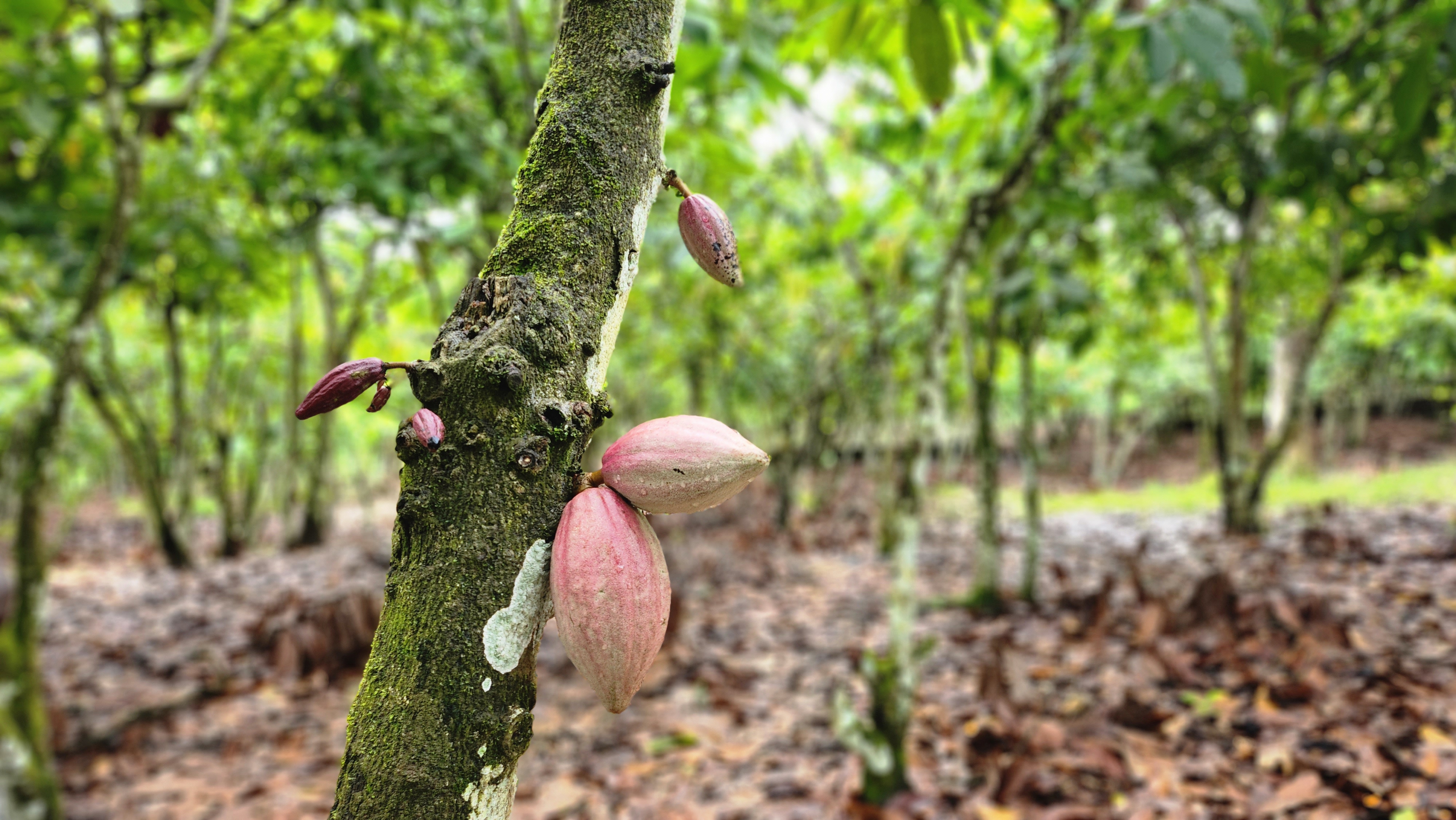
Côte d'Ivoire - Enhancing Resilience of Smallholder Cocoa Farmers through the Adaptation Benefit Mechanism

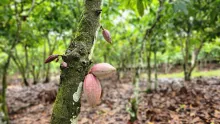
Smallholder cocoa farmers in Côte d’Ivoire lack the capacity and financial means to withstand climate shocks. They are highly vulnerable to climate change because cocoa trees, their main source of income, are extremely sensitive to rising temperatures, irregular rainfall, and pests that are being exacerbated by climate change.