


GENERAL INFORMATION
Grant Approval Date
End (estimated) Date
Project Cost
$495,036
Sector
Climate finance readiness
Executing Agency
National Directorate of Environment
Current status
Closed
Background
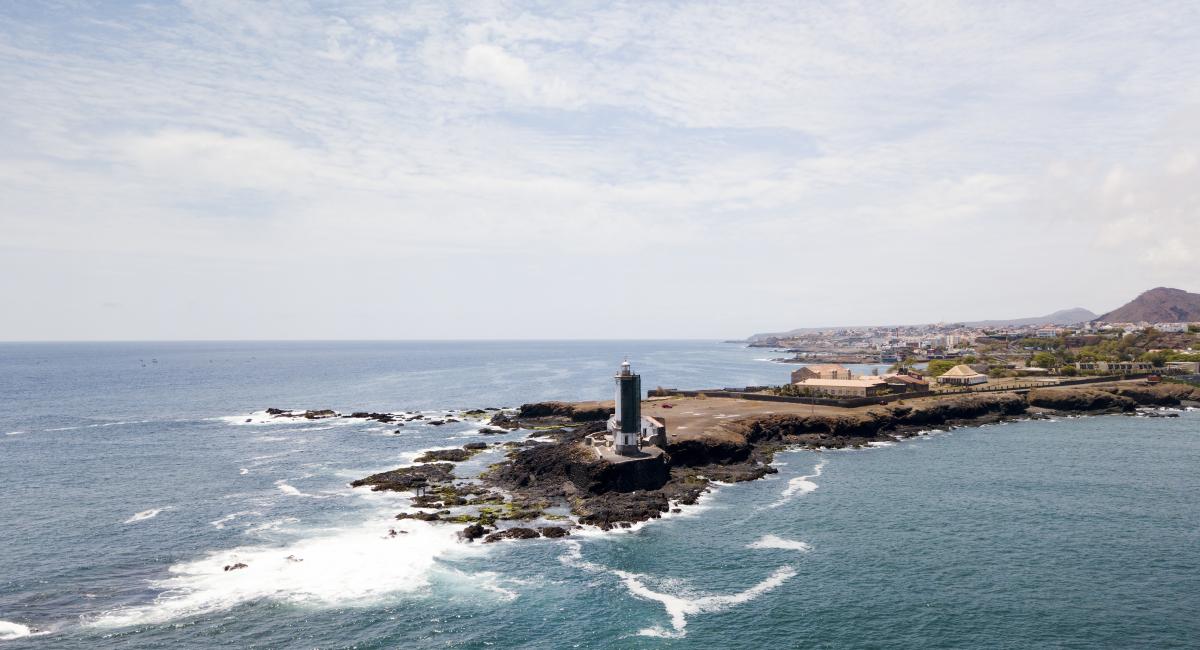
Cabo Verde is highly vulnerable to the effects of climate change as a small island country and a dry Sahelian country. Along with scarce natural resources, climate variability in the country is likely to be increased leading to more storms, floods and droughts and a shorter rainy season. Faced with such complexity and pressures, and at a time of continued economic development, Cabo Verde may see these gains reversed by the onset of climate change impacts. In order to be sustained, it is therefore imperative to ensure that economic growth in the country follows a climate-sensitive development pathway, delinked from high carbon emissions. In this context, the government has already issued some of the plans that will allow a low-carbon development pathway in two of its strategic sectors - energy and waste.
Objectives
The project aims to support Cabo Verde to meet its proposed targets on a low-carbon development pathway through the development of mitigation programs/projects in strategic sectors: energy and waste.
Main Components/Outputs
The project components include.
Activity I – Preliminary work to identify opportunities and to identify a potential national institution for accreditation
- Assessment of the GCF accreditation process;
- Identification and assessment of two or three potential entities to be accredited. The assessment aims to analyze the entity's policies and procedures, track record, its capacity to undertake projects or programmes under different financial instruments and its financial management capacity.
- Selection of one entity to start the accreditation application process.
Activity II - Program / projects development
This will be done through the elaboration of program / projects concept notes (2 for the energy sector + 2 for the waste sector).
Activity III – Access to climate finance instruments
The main outputs will include the development of two PPFs for the GCF and/or the submission of different GCF Concept Notes. The submission of PPF proposals to the GCF shall be done through the Accredited Entity previously identified.
Activity IV - Capacity building and sharing knowledge activities
At national level, capacity building will include training workshops (two) focused on GCF program / project development in each one of the targeted sectors. At international level the dissemination will consider different forums (e.g. Comunidade dos Países de Língua Portuguesa – CPLP; Climate Finance summits) to be discussed with Cabo Verde government representatives. The development of a website and other tools / documents shall also be considered for the programs/project’s dissemination.
Key Achievements or Progress
The project key deliverables upon completion include the following:
Two scoping assessments were conducted for the proposed “Energy Efficiency and Micro-Generation Programme across nine islands” and “Organic Waste Composting and Utilization across eight islands in Cabo Verde.” These assessments form part of the broader process of developing Green Climate Fund (GCF) concept notes and a Project Preparation Facility (PPF) application to the GCF.
- Development of four concept notes for submission to the GCF on:
- Energy Efficiency and Micro-Generation Programme across all nine islands of Cabo Verde
- Brava: A Sustainable Island
- Organic Waste Composting and Utilization across eight islands of Cabo Verde
- The Santiago Island Solid Waste Resource Centre
- Two requests for Project Preparation Facility (PPF) funding
- A Climate Investment and Finance Strategy
- Four non-GCF project proposals
- A training module on the development of GCF-friendly proposals
More images about the project
More videos about the project
More documents about the project