



GENERAL INFORMATION
Grant Approval Date
End (estimated) Date
Project Cost
$ 782,802.12
Sector
Climate Adaptation
Executing Agency
AVSI Foundation / PAMIGA
Current status
Closed
Background
Financial Service Providers (FSPs) often lack tailored financial products that meet the needs of Sustainable Energy Value Chain (SEVC) actors, whether along the supply chain or among end-users and this gap is even more pronounced for women and youth. According to the World Bank Global Findex 2017, account ownership among women is 78% in Kenya and 53% in Uganda, compared to 86% and 66% for men, respectively. Youth account ownership stands at 76% in Kenya and 57% in Uganda.
The Global Banking Alliance for Women highlights that women generally have less experience, knowledge, and confidence in financial matters, are less networked than men, and are less likely to seek external financing for their businesses.
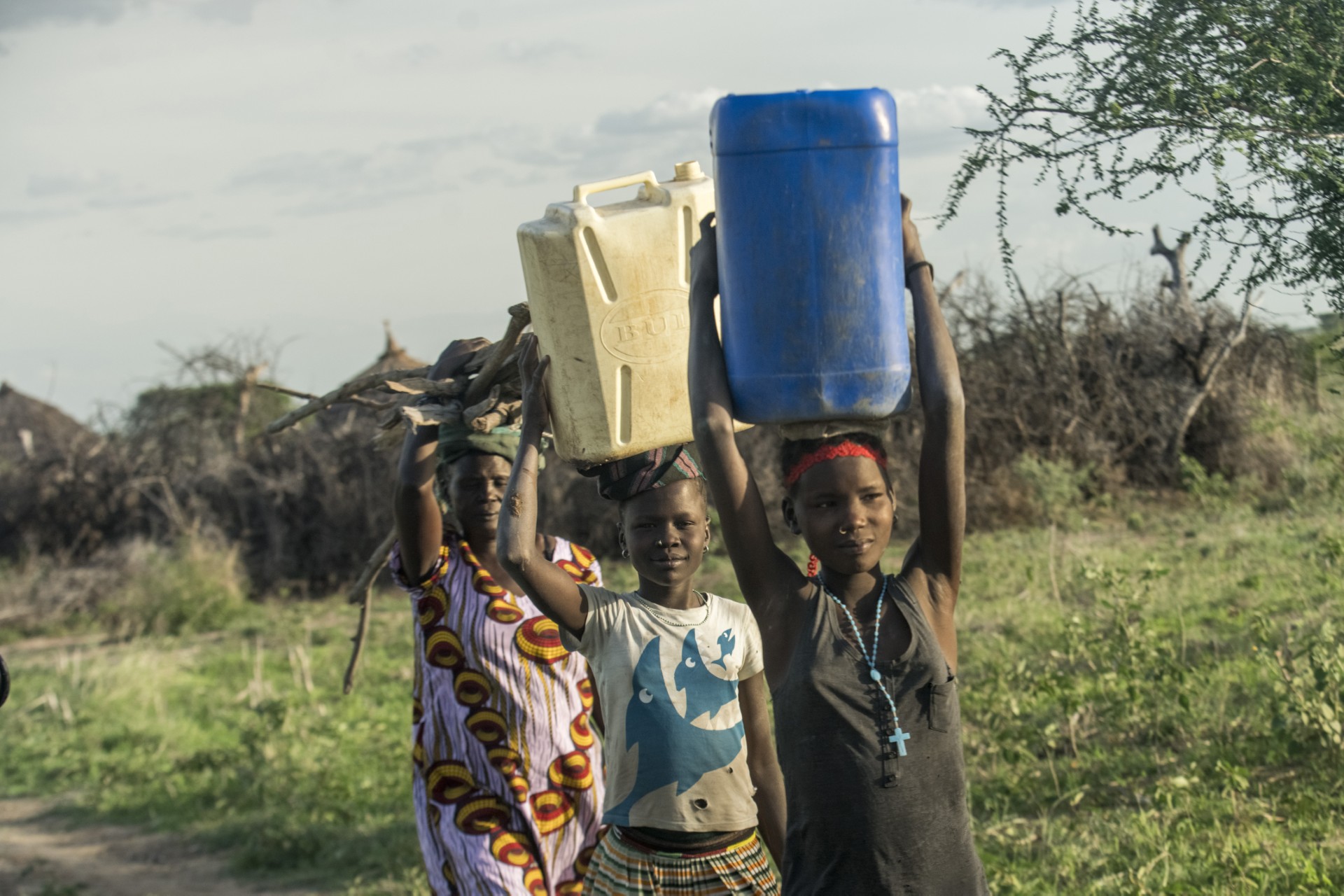
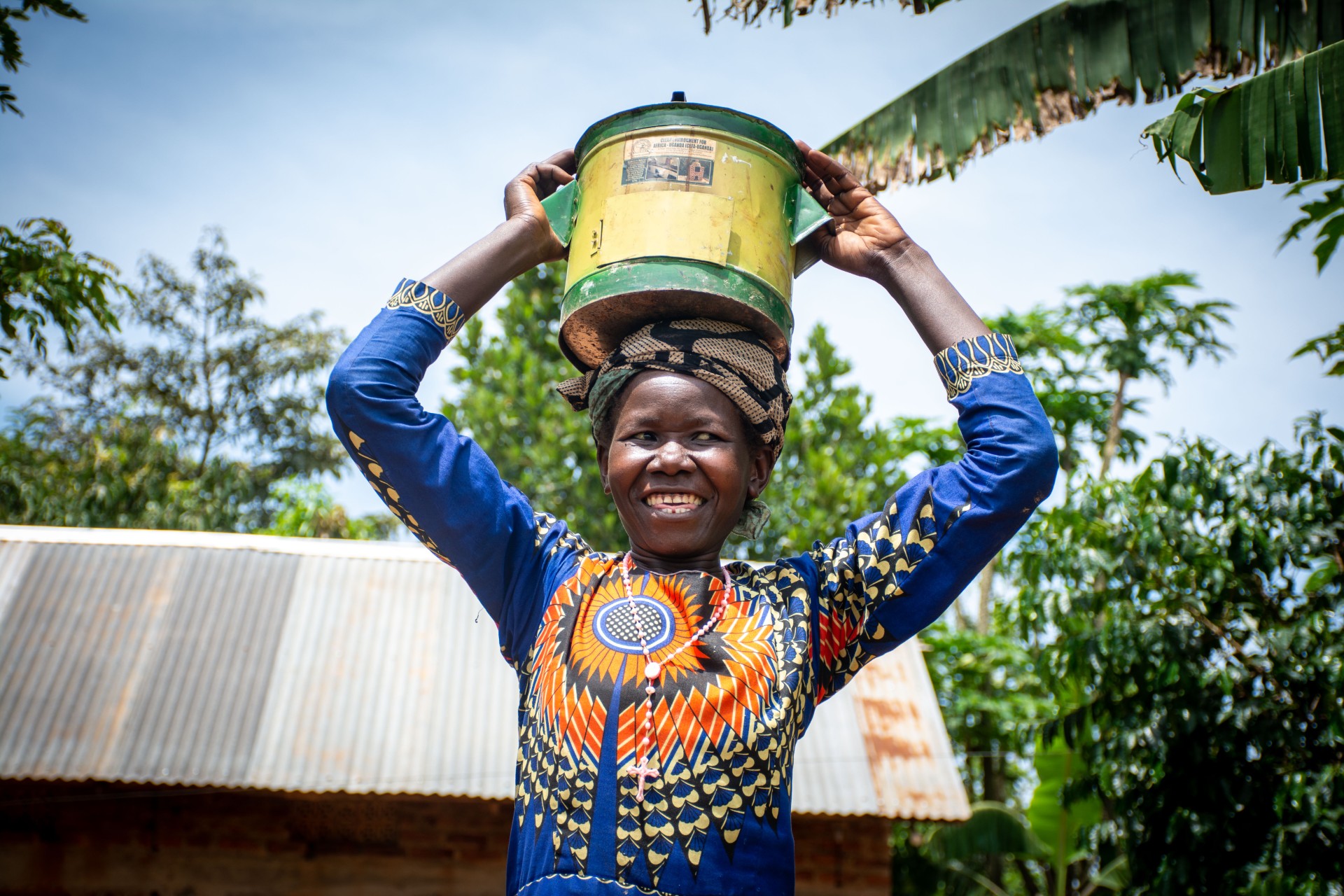
This project aims to address these gaps by reducing greenhouse gas emissions through the promotion of clean and improved cooking technologies and by expanding access to clean energy in rural areas of Kenya and Uganda. It supports the sustainable uptake of low-emission and green technologies by strengthening the SEVC and its actors, with a strong focus on empowering women and youth as entrepreneurs and employees along the value chain, and by promoting the most advanced technologies for lasting impact.
Objectives
The objective of the project is to support Uganda and Kenya's transition to low-carbon development and scale up access to climate finance through the promotion of jobs and MSMEs in the Sustainable Energy Value Chain (SEVC) and the strengthening of Financial Service Providers' (FSPs) capacity to deliver Sustainable Energy (SE) finance, therefore improving the availability and accessibility of SE products for end users.
Main Components/Outputs
The Project consists of the following parts
Activity 1.1. Assess gaps in the financial services currently offered to women and youth in the SEVC.
- Activity 1.1.1. Identify the financial needs, aspirations, and constraints of women and youth in the SEVC through quantitative surveys and qualitative focus groups.
- Activity 1.1.2. Assess the existing supply of financial solutions for this target group (identification of financial service providers and review of their client segmentation, financial products/services, and marketing strategy).
- Activity 1.1.3. Estimate potential market size for SEVC financial products and develop business cases highlighting the value proposition for SEVC financial products to present to FSPs and convince them to engage in the project.
Activity 1.2. Build the capacity of financial service providers to offer financial services for SEVC.
- Activity 1.2.1. Identify, assess, and engage reliable and motivated FSPs.
- Activity 1.2.2. Assist selected FSPs in developing adapted financial services (including DF and PAYG when relevant).
- Activity 1.2.3. Strengthen FSPs’ capacities to promote and manage SEVC financial products through training of FSP staff on the SE sector and loan officers on the characteristics and procedures of the financial products.
Activity 1.3. Develop a favorable ecosystem for SEVC financing.
- Activity 1.3.1. Build strategic partnerships between FSPs and key SEVC players such as RE solution manufacturers/distributors and GMG operators (who can, for example, feed the SEVC portfolio of FSPs by pre-selecting eligible entrepreneurs or MSME end-users) to build a conducive environment for SEVC financing of women and youth.
- Activity 1.3.2. Link FSPs to available credit facilities or guarantee funds for SEVC financing. CIDR PAMIGA works with CIDR PAMIGA Finance S.A., an impact investment vehicle based in Luxembourg, founded, owned, and controlled by CIDR PAMIGA Association, which provides adapted long-term financing to member FIs.
Activity 1.4. Pilot and upscale the new financial services.
- Activity 1.4.1. Mentor FSPs and other SEVC partners (RE providers, green mini-grid (GMG) operators) during the pilot test of new financial services for women and youth in SEVC.
- Activity 1.4.2. Evaluate the pilot phase and provide key recommendations to FSPs and SEVC partners.
- Activity 1.4.3. Define the roll-out strategy and mentor its implementation.
Activity 2.1. Identify and assess training/incubation centers’ capacity to provide marketable skills in the SEVC.
- Activity 2.1.1. Identify the skills needs, aspirations, and constraints of women and youth in the SEVC through quantitative surveys and qualitative focus groups.
- Activity 2.1.2. Assess the current offer of training/incubation services addressing the SEVC.
Activity 2.2. Develop and/or upgrade training modules/business services.
Activity 2.3. Trainers upgrading and orientation.
Activity 2.4. Support training and incubation centers to effectively deliver business development services to youth and women.
- Activity 2.4.1. Identify and validate business opportunities.
- Activity 2.4.2. Train youth and women in business skills and entrepreneurship skills in the SEVC.
- Activity 2.4.3. Train 200 youth, of which 60% are women, on employment skills required in the SEVC.
- Activity 2.4.4. Provide coaching and mentoring to women and youth employed or self-employed in the SEVC.
Key Achievements or Progress
At completion of the project, the following results were achieved:
- 55,564 estimated new end-users of renewable energy products.
- US$300,582 in climate finance made available for women, youth, and MSMEs led by women and youth.
- 8,668 individuals (77% women) accessed financial services for sustainable energy value chains.
- 2,322 youth and women engaged in the sustainable energy value chain adopted basic accounting practices and developed a business model.
- Partnerships created or strengthened between private sector actors.
More images about the project
More videos about the project
More documents about the project