



GENERAL INFORMATION
Grant Approval Date
End (estimated) Date
Project Cost
$596,283.20
Sector
Climate Adaptation
Executing Agency
ICEI / ORAM
Current status
Closed
Background
The densely populated coastal lowlands are being increasingly affected by severe erosion, saltwater intrusion, loss of vital infrastructure, and the spread of diseases such as malaria and cholera. Changing rainfall patterns are leading to a decrease in soil water recharge, impacting groundwater resources and the water table in wells. Mozambique ranks 142 out of 178 countries in the ND-GAIN Index (2013), which is worse than in 2010 (rank 137). It ranks 36th on vulnerability and 144th on readiness, meaning that it is vulnerable to, yet unready to combat, climate change effects. According to the Climate Change Profile of Mozambique, climate change will affect water availability and food security in the country in a number of ways:
Yields will decrease due to more hot days during the harvest cycle of major grain crops, while a less predictable onset of the rainy season increases risks of crop failure.
Higher evapotranspiration, combined with erosion, deforestation, and general climate roughness, will in most areas lead to reduced recharge of water in the soil, causing low groundwater tables, empty wells, and a lack of water for consumption and irrigation. At the same time, higher evapotranspiration (9–13% by 2060) increases water demand, mostly in central and southern regions; this will be greater than potential rainfall increases projected for some areas.
More severe floods and droughts make food production risky: households move their fields to more fertile and less drought-prone lowlands, but consequently face increased risks of floods. If current usage patterns of Mozambique’s abundant but unevenly distributed water resources are continued, the Limpopo River will be dry most of the year and the Zambezi’s flow will decrease by 15%.
Projected rainfall decreases for Zimbabwe and Zambia will decrease river flows in Mozambique because of the country’s nine international river basins, and hence decrease water availability. As a result of these developments (and under current population growth rates), per capita water availability will decrease from 1,900 to 500 m³ per year (2000–2050).
The project is intended to address, at a small-scale dimension, such problems by enhancing resilience at community level, fostering CCA (Climate Change Adaptation) smart practices, increasing awareness, and empowering women and youth as natural resource managers.
Objectives
The objective of the project is to improve the environmental resilience and economic sustainability of smallholder families in Zambezia thanks to the scaled-up gender-oriented eco-governance productive model. Its aim consists of enhancing the livelihood of the inhabitants of 10 rural and vulnerable communities living in the coastal habitats of the Pebane District and its buffer zone, the Mocubela District, as well as recovering resilient coastal ecosystems in semi-desertified and desertification areas through a community-based approach.
Main Components/Outputs
The project has two main components:
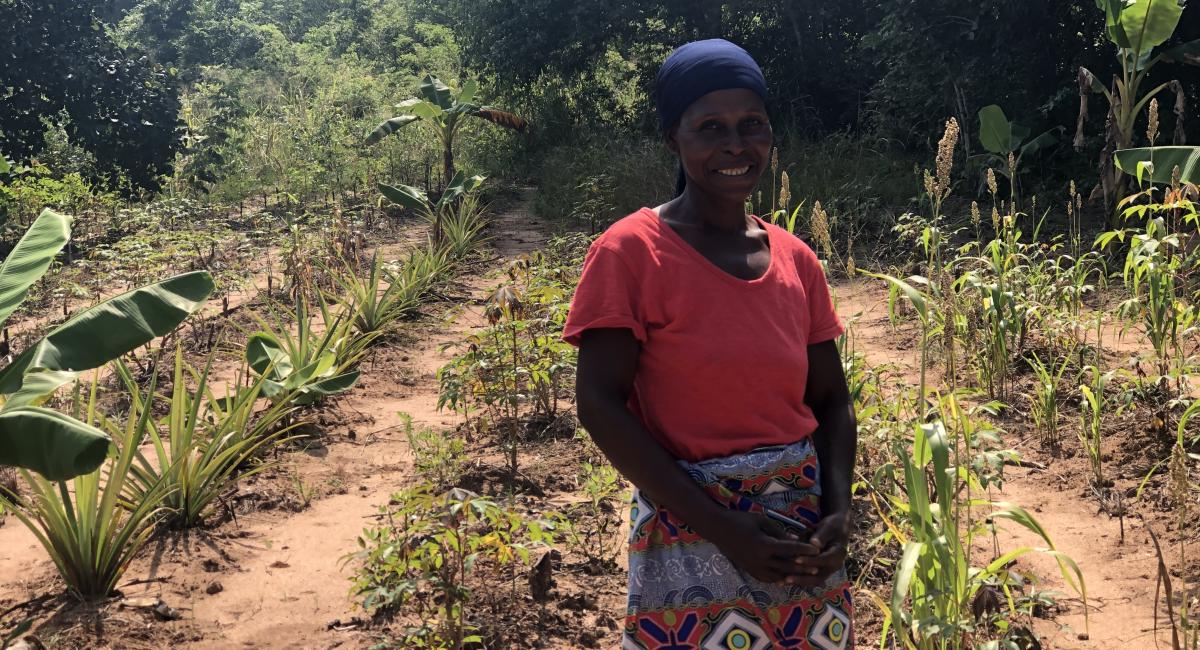
- On one side, the action intends to trigger different participatory mechanisms aimed at selecting and activating a number of farmers, to promote a change in attitude, and to start up non-conventional income-generating activities (beekeeping, fish farming). This will be supported by a series of activities aimed at maintaining the support (hands-on assistance) to follow up and ensure corrective measures where necessary. This component will be completed with the selection of degraded areas and the start-up of an additional set of activities aimed at regenerating the ecosystem following the syntrophic approach.
- On the other side, a series of activities will be carried out to trigger mechanisms of participation and awareness within the target communities, in order to create a favourable environment (acceptance) regarding the approach introduced (use of physical outputs, irrigation, type of production). The key point in this regard will be to make evident the short- and long-term benefits envisaged for the whole communities. Within this framework, the action will also work to ensure proper management of the area, activating committees with the right competence and prestige to act in representation of the interests of all the communities (fostering eco-governance, empowerment, and institutional ownership).
Key Achievements or Progress
At completion, the project achieved the following results:
100 small-scale Agroforestry Systems (AFS) implemented at family level.
10 Agroforestry Nurseries and 10 Agroforestry Seed Banks created for self-consumption and local market.
10 Agroforestry Beehives and Honey Houses established, contributing to local economic development through honey production and sales.
7 low-cost irrigation systems benefiting 70 households, reducing the time needed for watering crops.
10 women-led Agroforestry Fish Farm Units created and supported.
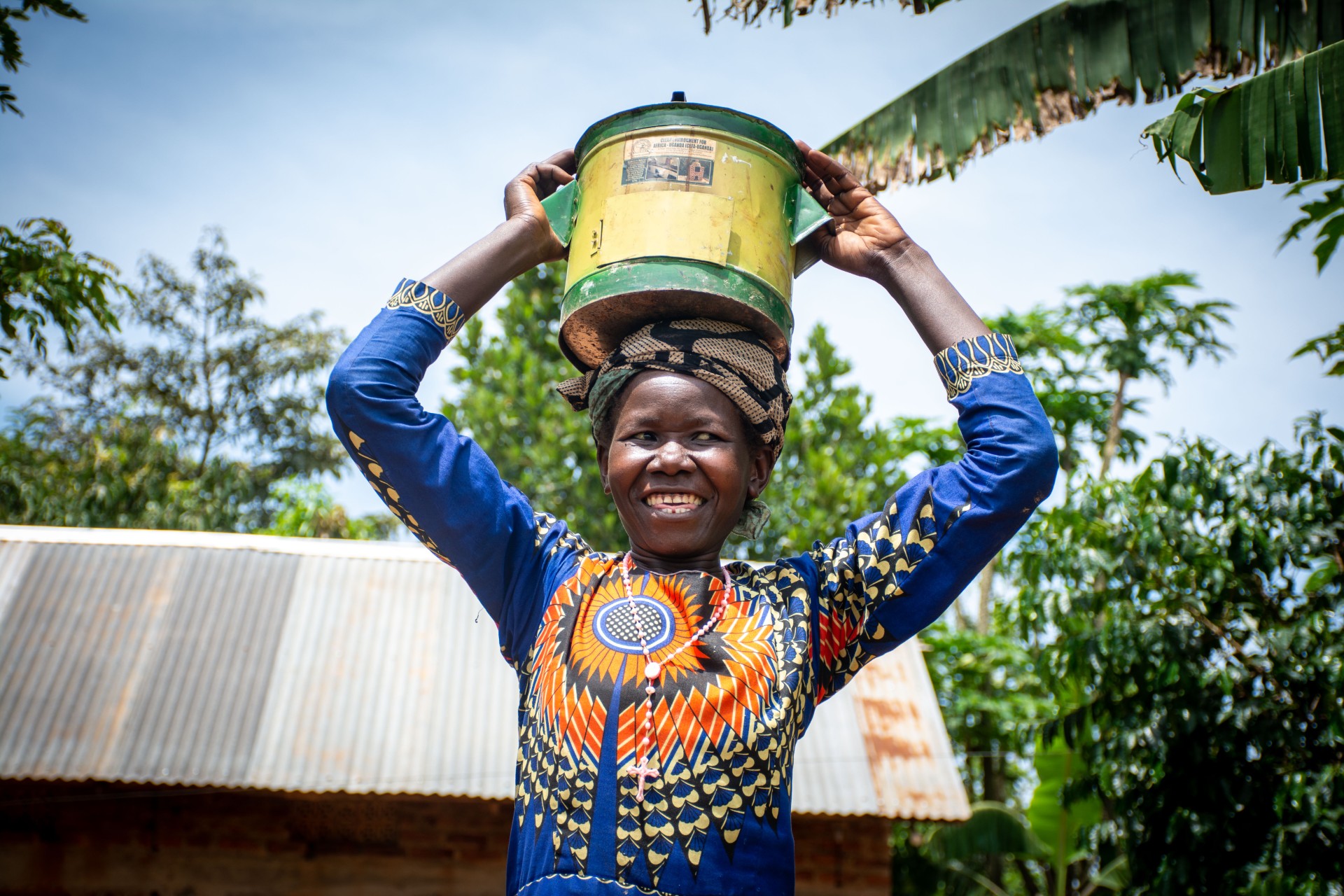
400 Improved Cooking Stoves (ICS) distributed to households, reducing deforestation and promoting sustainable energy use.
30 youth trained in mangrove reforestation and natural resource management, and 51,290 trees planted, surpassing reforestation targets and contributing to ecosystem restoration.
Formalization of land tenure (DUATs) ensuring legal recognition of community lands for sustainable management.
Creation of 10 Natural Resource Management Committees (NRMCs) in all target communities, fostering local ownership and leadership in natural resource governance, with 30 people trained.
More images about the project
More videos about the project
More documents about the project