

GENERAL INFORMATION
Grant Approval Date
End (estimated) Date
Project Cost
$467,440
Sector
Gender and Climate Resilence
Executing Agency
Regional Collaboration Center Kampala - East African Development Bank
Current status
Closed
Background
Eastern and Southern Africa is one of the most vulnerable regions in the world to the impacts of climate change, with two of the most affected countries and four out of the ten most affected countries globally in 2019. The extent of exposure and adaptive capacity varies both within and across communities, depending heavily on intersections of socio-economic status, socio-cultural norms, and access to resources.
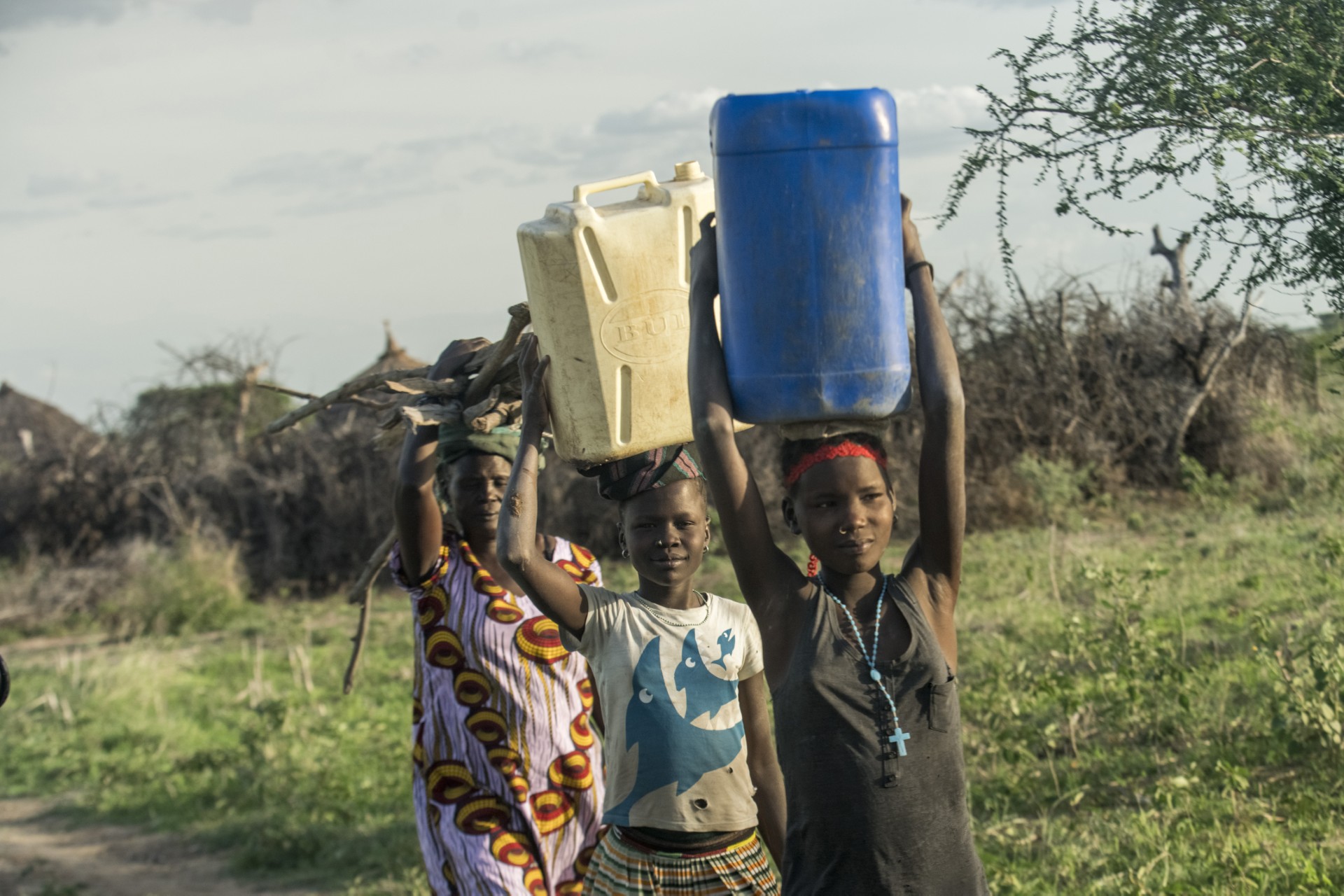
Across the nineteen member states, there is broad consensus among actors and stakeholders that the impacts of climate change are not gender neutral. Women are more severely affected and face higher risks than men due to persistent gender inequalities and discrimination. The World Bank’s recent country climate risk reports highlight gender-based differences in the amount of time spent on unpaid household work, access to assets and credit, treatment by formal institutions, and the lack of sex-disaggregated data needed to inform targeted policy.
At the same time, these same structural barriers limit women’s participation in climate-related planning, policymaking, and implementation. The devaluation of their knowledge contributes to their exclusion from decision-making at both household and community levels. For instance, Gender Links’ Strategy on Climate Justice observes that in Southern Africa, this exclusion begins at the local level and extends to the national level.
Objectives
This project aims to ensure increased and more effective participation of women in climate change decision-making, especially at the international level, as well as enhance understanding and promote the consideration of gender issues by all negotiators.
Main Components/Outputs
The project is structured around three main components:
- Identification of root causes of women’s unequal participation in decision-making processes and the development of a Gender Action Plan.
- Development of tools, including a Gender Integration Guide for incorporating gender considerations into key decision-making aspects of the UNFCCC processes, such as the preparation of Nationally Determined Contributions (NDCs) and Long-Term Low Emission Development Strategies (LT-LEDS).
- Design and delivery of peer-to-peer exchange and learning workshops for National Gender and Climate Change Focal Points (NGCCFPs) to address the root causes of gender inequality.
Key Achievements or Progress
The project has achieved the following results:
Four regional workshops brought together 90 participants from the focus countries to discuss barriers to women’s participation in decision-making and to develop an action plan for gender mainstreaming in climate change. A comprehensive assessment, based on questionnaires completed by women negotiators and national climate change and gender focal points, helped identify key needs and knowledge gaps that guided the discussions.
Country-specific guides were developed, leading to a final consolidated guide on integrating gender considerations into the preparation of NDCs and LT-LEDS for Eastern and Southern African countries.
More images about the project
More videos about the project
More documents about the project