

GENERAL INFORMATION
Grant Approval Date
End (estimated) Date
Project Cost
$950,000
Sector
Gender and Climate Resilence
Executing Agency
Farm Africa
Current status
Ongoing
Background
Ethiopia is one of the countries most vulnerable to climate change impacts. The country’s economy is heavily dependent on rain-fed agriculture. The contribution of the agriculture sector to the national GDP is estimated to be 42%, and 85% of employment is in the agriculture sector, making the country particularly sensitive to climate change. Drought is the major cause of food insecurity and famine in many regions of Ethiopia, particularly in the arid and semi-arid parts of the country.
Rainfall anomalies in these areas (mainly recurrent drought and flood episodes) and the delayed onset of the rainy season, coupled with rising temperatures, lead to a lack of feed and water for livestock in rangelands. This, in turn, exacerbates food insecurity and several associated social, economic, and political challenges in the country.
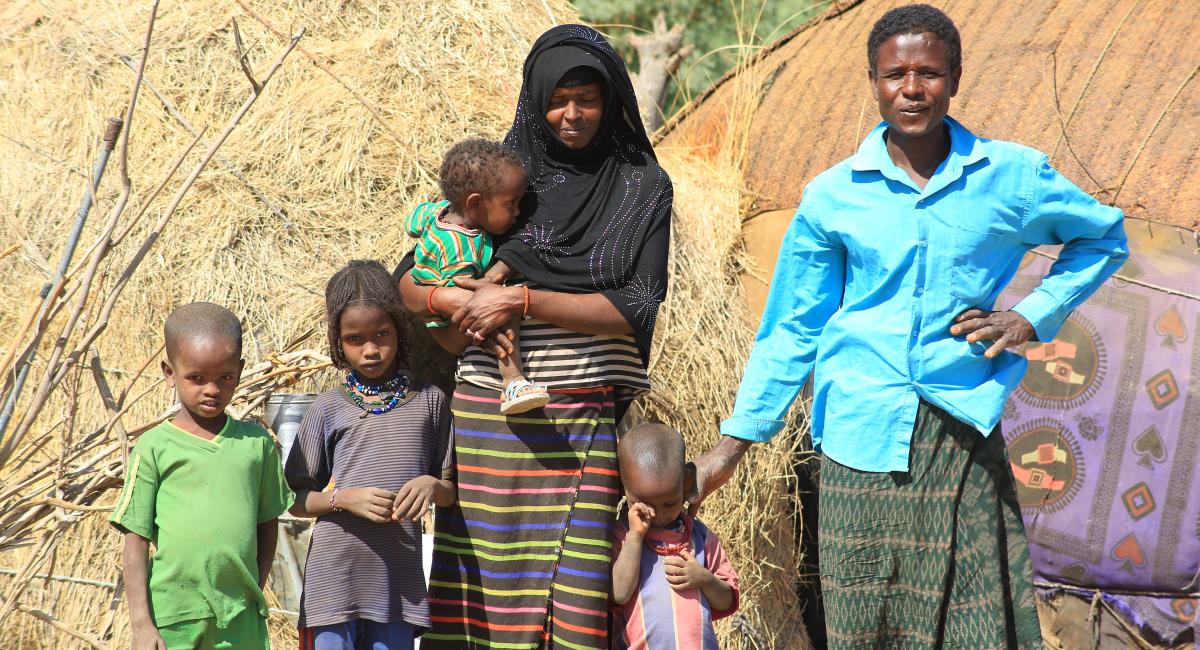
Factors such as low access to climate information and lack of improved technologies intensify the impact of climate change in low-income countries like Ethiopia. The pastoral communities of Ethiopia, particularly in Afar and Oromia regional states, live under continuous threats from climate change. Their rangelands are severely degraded mainly because of drought, overgrazing, and bush encroachments, which lead to low productivity and increased vulnerability to the impacts of climate variability and unpredictability.
A study showed that between 1952 and 2017, the most intense drought episodes were observed particularly in the lowland pastoral and agro-pastoral parts of the country, where the three proposed Woredas (districts) are located.
Objectives
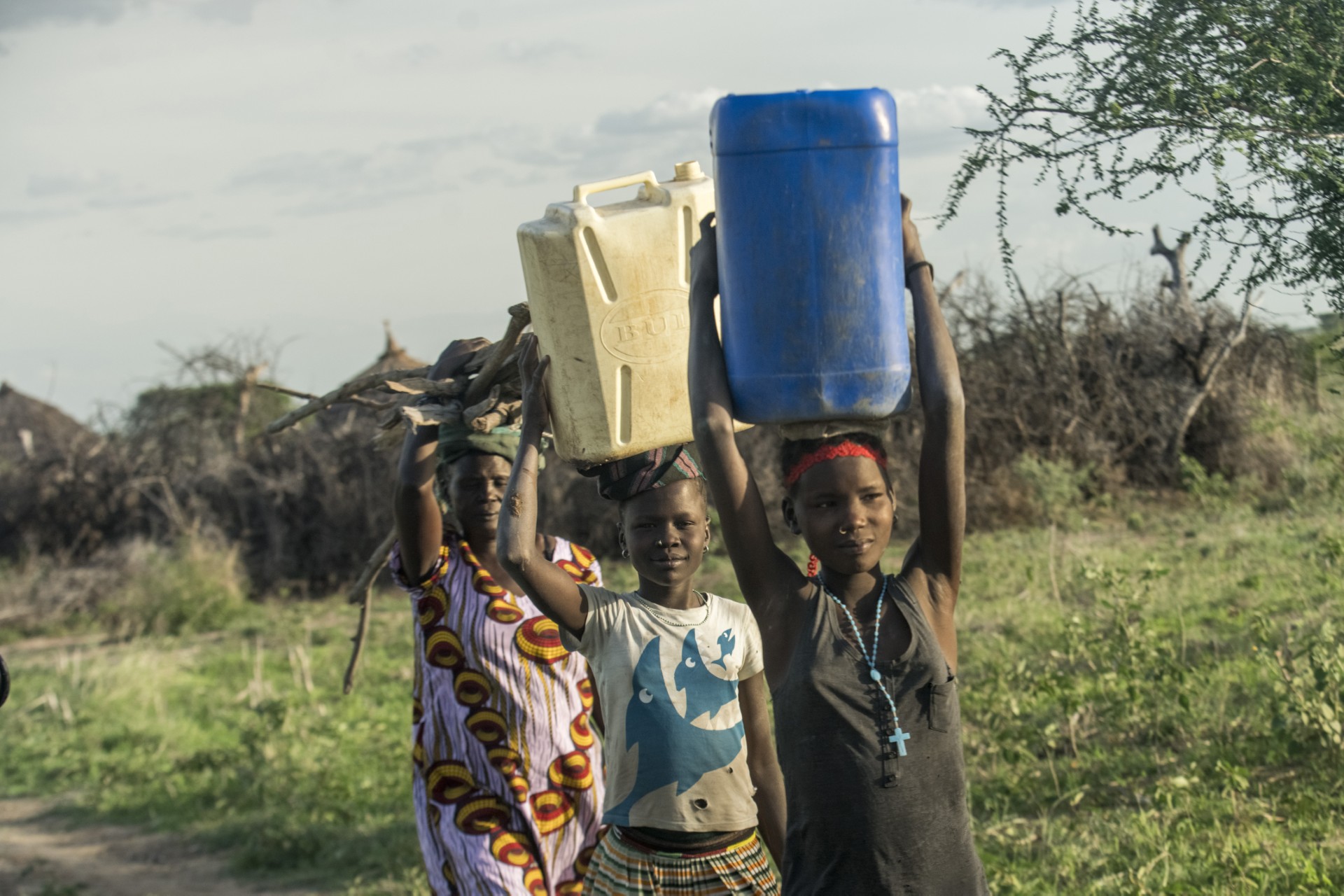
The key objectives of the proposed intervention are to enhance gender equality and women and girls’ social and economic empowerment in the face of changing climate and to ensure climate-resilient and diversified livelihood opportunities for pastoral and agro-pastoral communities, especially women and youth, in selected locations. The proposed project challenges existing social norms by promoting equal participation of all stakeholders and social groups and supporting equal access for women and men to natural resources, financial resources, and skills required to adapt to climate change.
Main Components/Outputs
The project seeks to achieve the following main outcomes:
- Immediate Outcome 1100: Increased positive attitudinal change to address harmful social norms and practices by communities in three districts (Woredas) of Afar and Oromia regions.
- Immediate Outcome 1120: Increased capacity in mainstreaming gender for climate resilience into development plans by grassroots institutions in Amibara, Awash-Fentale, and Fentale districts.
- Immediate Outcome 1210: Increased decision-making capacity on natural and financial resources by women and women’s groups in three intervention Kebeles of Amibara, Awash-Fentale, and Fentale districts.
- Immediate Outcome 1310: Improved rangeland management and equitable resource utilization in the three intervention Kebeles of Amibara, Awash-Fentale, and Fentale districts.
- Immediate Outcome 1320: Increased adoption of climate-smart, gender-sensitive income-generating opportunities among the community in the three intervention Kebeles of Amibara, Awash-Fentale, and Fentale districts.
Key Achievements or Progress
The interim results as of June 2025 are summarized below:
208 community members (105 female and 103 male) sensitized on gender equality, climate resilience, harmful traditional practices, and behavioral change, while also promoting open and inclusive dialogue among diverse community groups.
15 Gender Transformation and Climate Resilience School Clubs established across six kebeles within three intervention districts.
1,000 students (735 female and 265 male) from these school clubs trained on key topics such as gender equity, power dynamics, intersectionality, and the interconnectedness of climate change and environmental sustainability.
Dignity kits distributed to 15 schools.
51 people (14 female and 37 male) trained on gender equality, behavioral change, and harmful traditional practices.
Nine multi-sectoral stakeholder coordination platforms established with a total of 135 members (72 female and 63 male).
44 key stakeholders (8 female and 36 male) trained on strengthening gender integration and implementing gender transformative and climate resilience actions.
26 Village Savings and Loans Associations (VSLAs) established with a total of 676 women members.
More images about the project
More videos about the project
More documents about the project