
GENERAL INFORMATION
Grant Approval Date
End (estimated) Date
Project Cost
$950,000
Sector
Gender and Climate Resilence
Executing Agency
Oxfam Malawi
Current status
Ongoing
Background
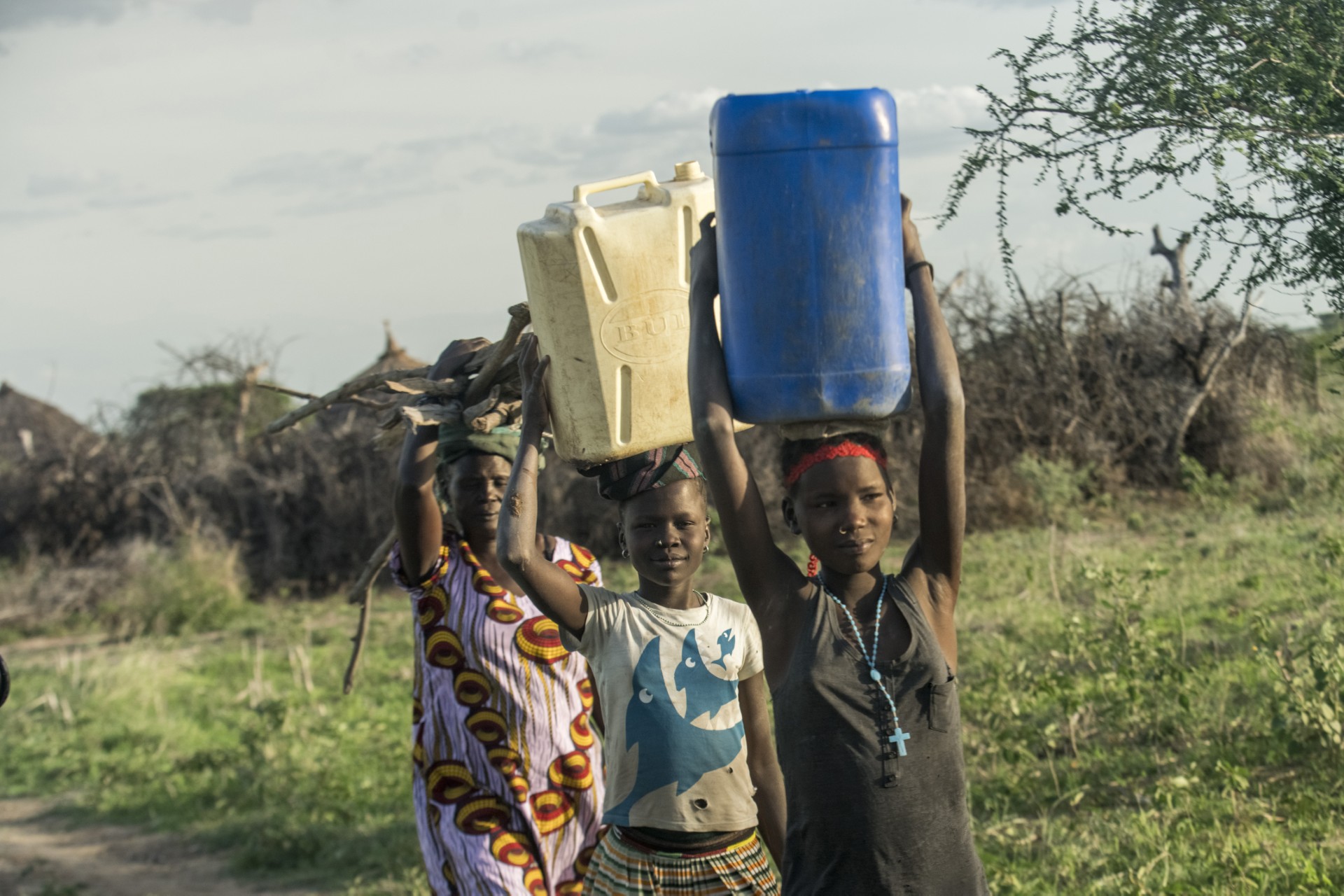
This project focuses on addressing gender inequalities within the climate resilience sector in Malawi and Mozambique. The strategic change areas are structural and systemic changes in women’s leadership in climate resilience, and enhancing women and youth economic viability. It is a two-year project that builds on an ongoing initiative titled “Building Urban Climate Resilience in South-Eastern Africa.”
The proponents of the project are Oxfam in Southern Africa, with Oxfam in Malawi as the lead and contracting partner, and Oxfam in Mozambique as co-applicant. Implementation will take place in Malawi and Mozambique with support from local partners.
This project targets 55,450 people: 42,587 in Malawi and 12,863 in Mozambique. This includes 31,044 people (16,301 females and 14,743 males) in Zomba District/Rural, 11,543 people (5,869 females and 5,674 males) in Zomba City, 8,764 people (4,847 females and 3,917 males) in Chokwe District/Rural, and 4,099 people (2,280 females and 1,819 males) in Chokwe City.
The project targets vulnerable groups of women and youth through the following approaches:
Collaboration with the Zomba and Chokwe City Councils using socio-economic profiles to identify targeted impact areas based on vulnerability to climatic shocks and poverty indicators.
Working within the Malawi Government Universal Beneficiary Register and the Community Saving Programs (COMSIP) to identify women and youth who meet the criteria for engagement in eco-friendly businesses.
Collaboration with Chokwe City Council to identify women and youth who meet the criteria for engagement in eco-friendly businesses.
Mapping exercises included in the project design, such as socio-economic profiling assessments, wealth ranking, asset and vulnerability assessments, and other tools that facilitate the identification of vulnerable groups, validated through community structures.
Support from the Departments of Social Welfare and Youth to identify specific youth groups that will be targeted.
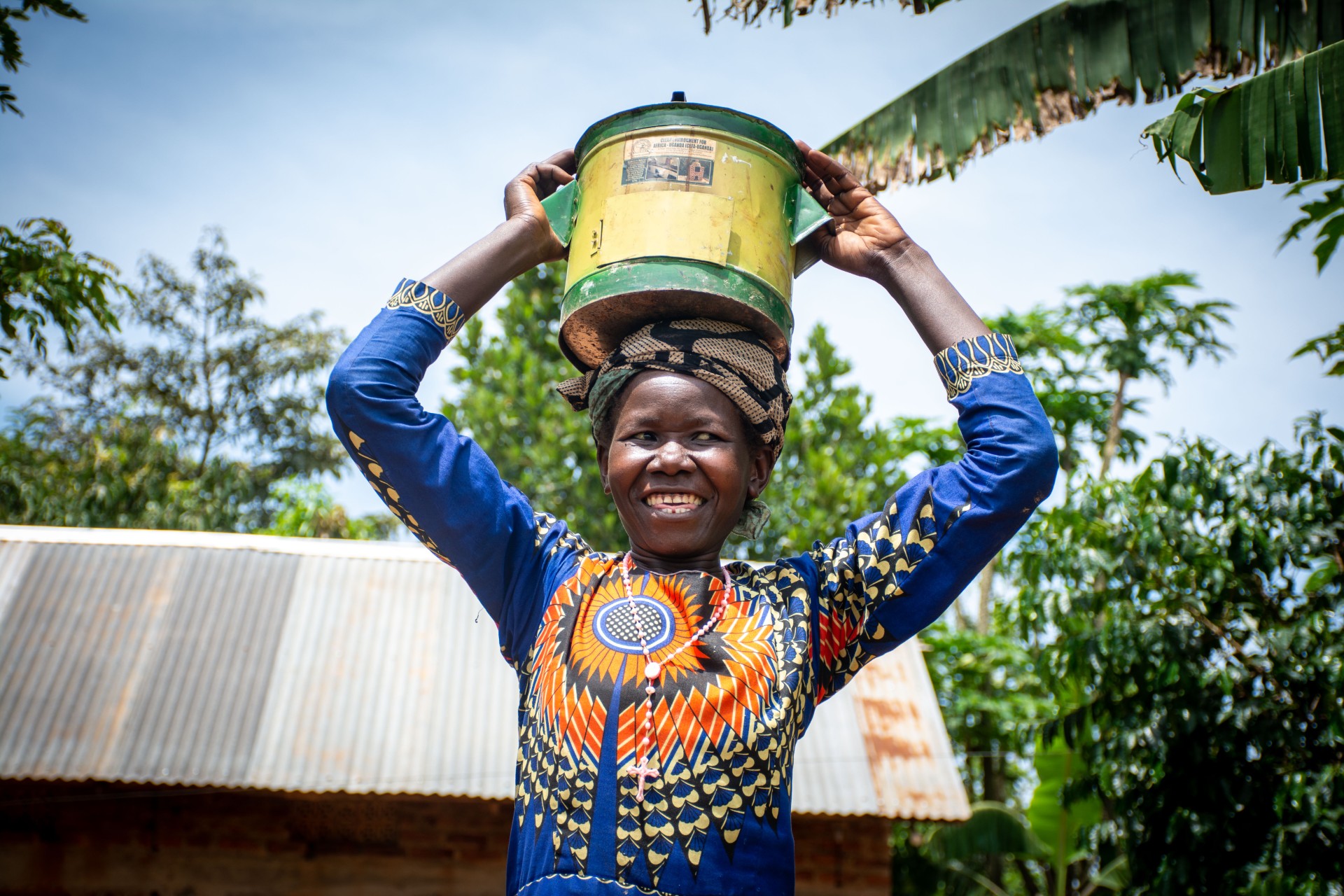
Women, girls, young people, and other vulnerable groups will be at the heart of climate change adaptation and mitigation solutions, recognizing and valuing their knowledge, experience, and role in disaster risk reduction planning as agents of change rather than as victims. The project will ensure that their voices are heard and incorporated into local adaptation strategies to extreme climate events, as well as mitigation actions. It will also support community-based and women- and youth-led civil society groups and young people to participate and be represented in decision-making spaces.
Objectives
The project seeks to increase the realization of rights among women, men, and youth as a foundation for gender-transformative, low-carbon, and climate-resilient development in Zomba, Malawi, and Chokwe, Mozambique.
Main Components/Outputs
The project articulates around five major components:
- Women training on leadership in gender-transformative climate initiatives in Zomba and Chokwe.
- Women mobilization to participate in advocacy initiatives on climate resilience at all levels.
- Government staff training on gender-responsive planning, budgeting, and delivery of climate resilience initiatives in Malawi and Mozambique.
- Women and youth capacity building in eco-friendly business models and entrepreneurship.
- Women and youth groups support with seed capital to establish and strengthen small businesses.
Key Achievements or Progress
The project activities are ongoing. The following interim results have been recorded so far:
- Over 150 groups of women, alongside men engaged in climate adaptation initiatives, were mapped, forming a basis for their participation in advocacy and climate action within their communities. This mapping serves to strengthen the sustainability of women’s groups and movements in Malawi and Mozambique, which are vital for achieving gender equality and shaping effective and just responses to climate change.
- The project also supported local governments in Malawi and Mozambique in commemorating the 16 Days of Activism against Gender-Based Violence (GBV). The campaign aimed to raise awareness of women’s rights and responsibilities in addressing GBV linked to societal roles.
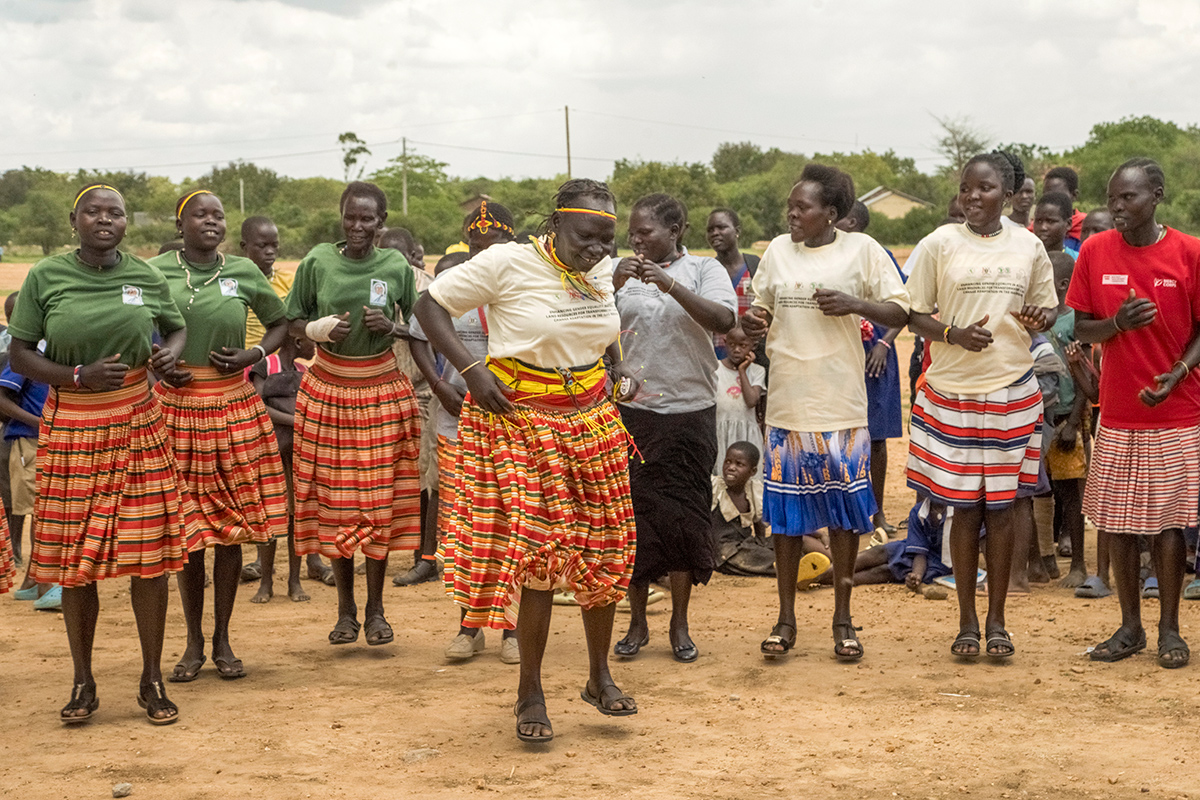
- The project strengthened women’s forums and movements by engaging communities through Rural Women Assemblies, which mobilized 375 participants (61% women). These platforms provided opportunities for greater participation and amplification of women’s voices in community and national climate governance.
- The project assessed the gender capacity needs of cities and district councils to provide gender-responsive support. The assessment revealed gaps in knowledge of gender, climate resilience, and climate change, as well as limited access to the national gender policy, particularly in Mozambique. To address these findings, 26 local government representatives were convened to discuss concepts of gender equality and equity.
More images about the project
More videos about the project
More documents about the project