

GENERAL INFORMATION
Grant Approval Date
End (estimated) Date
Project Cost
$470,000
Sector
Gender and Climate Resilence
Executing Agency
Intergovernmental Authority on Development - IGAD
Current status
Ongoing
Background
Although a small contributor to global greenhouse gas emissions, IGAD remains highly vulnerable to the projected impacts of climate change. Therefore, the pitfalls of climate change could add to the development and growth challenges that the IGAD region faces and exacerbate its vulnerability in the future. Climate change will particularly affect the poorest and most excluded segments of society, which already have the lowest capacity to respond to its effects. It will also exacerbate inequalities in health and education, as well as access to adequate food, clean water, sanitation, sustainable energy, and scarce natural resources.
The ability of the IGAD region to adapt to the adverse effects of climate change is significantly lower than in the rest of Africa. Thus, if preventive actions are not taken to mitigate these effects, they could contribute to the reduction of arable land, worsen chronic hunger, and even lead to social unrest. These direct and indirect impacts of climate change have already triggered migration, with increases in urbanization and inter-state migration.
The key risks of climate change in the IGAD region are:
Undernutrition, with its potential for life-long impacts on health and development, and its associated increase in vulnerability to malaria and diarrheal diseases.
Reduced crop productivity with strong adverse effects on regional, national, and household food security.
Adverse effects on livestock linked to temperature rise and precipitation changes.
Changes in the incidence and geographic range of vector- and water-borne diseases due to variations in temperature and precipitation.
Land degradation.
Stress on water resources already facing significant strain from overexploitation and degradation, alongside increased future demand.
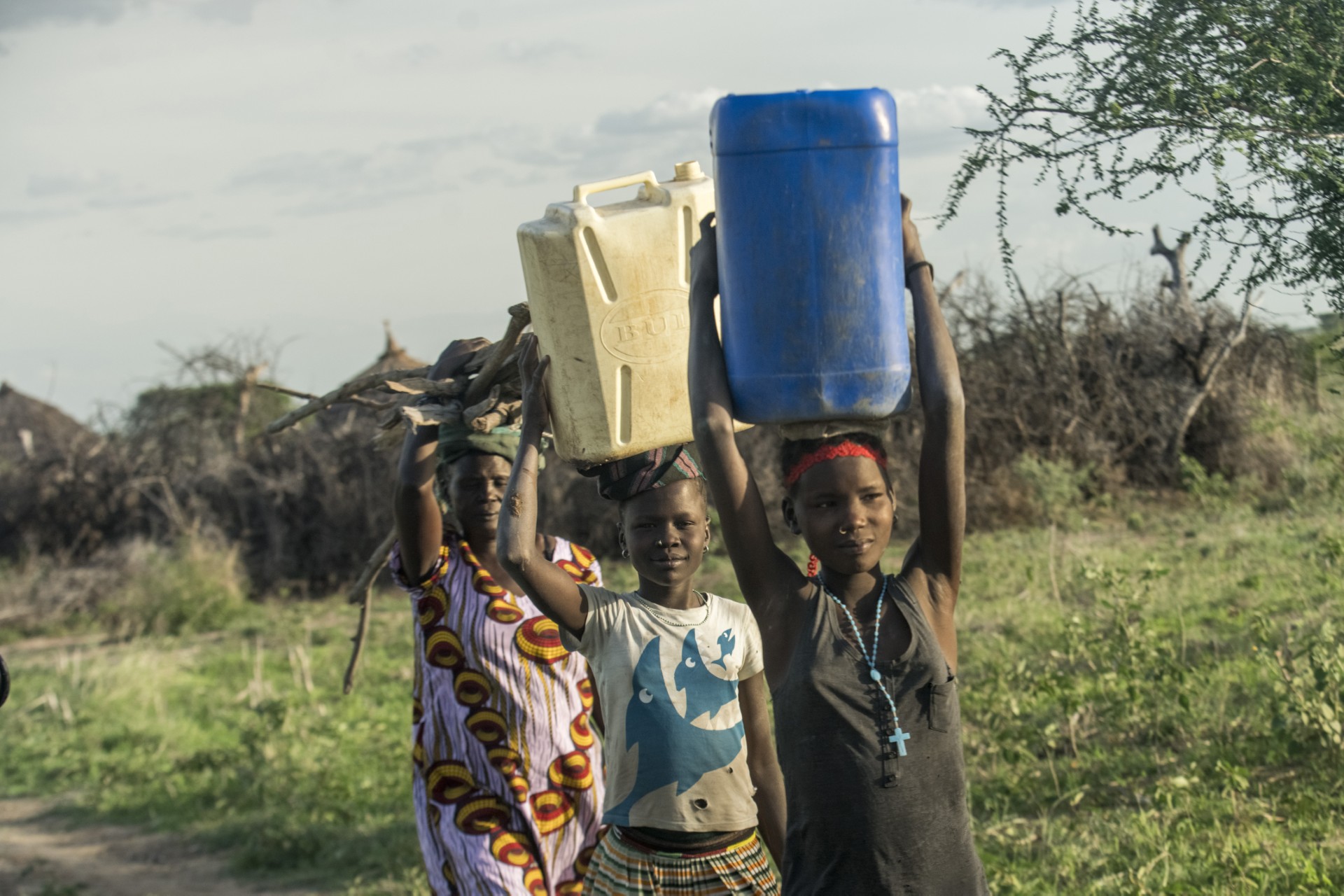
While climate change is certainly an environmental phenomenon that necessitates scientific research and innovation, it is also a security, economic development, and human rights imperative. In all three of these areas, women, who constitute half the world’s population, bear severe gendered impacts of climate change without equal representation in decision-making or policy and programmatic design. The differential impacts of climate change on men and women are more pronounced in settings also affected by violent conflict, political instability, and economic strife. Women and men are shaped by the societies in which they live, and societal expectations influence the roles they play in the political, economic, and social spheres.
Objectives
The project aims to enhance gender-transformative climate resilience through equal access to, and security of, tenure over land and other natural resources in the IGAD Region.
Main Components/Outputs
The project is executed around the following components:
- IGAD Member States supported with tools and resources to deliver gender-transformative climate adaptation and mitigation for climate resilience.
- Women leaders and gender champions capacitated to engage and influence decision-making for gender-transformative climate action at local and national levels.
- Member States and communities capacitated to implement and upscale gender-transformative, community-led initiatives.
Key Achievements or Progress
The project developed a training guide on women’s leadership and climate resilience, which was translated into French.
77 local women leaders and representatives of women-led organizations from the three Member States were trained to strengthen their capacity and awareness on closing the gender gap in climate policy planning and decision-making at both national and local levels.
72 civil society organization representatives (68% women) received training on gender-transformative advocacy and lobbying in climate adaptation and land governance. The program enhanced their ability to lead resilience initiatives by equipping them with knowledge, practical skills, and strategic tools to address climate impacts, advocate for gender-responsive approaches, and implement sustainable solutions within their communities.
77 local authorities (51% women) participated in training on gender-transformative climate resilience. The sessions emphasized their key role, alongside traditional leaders, in shaping community actions for effective climate change adaptation.
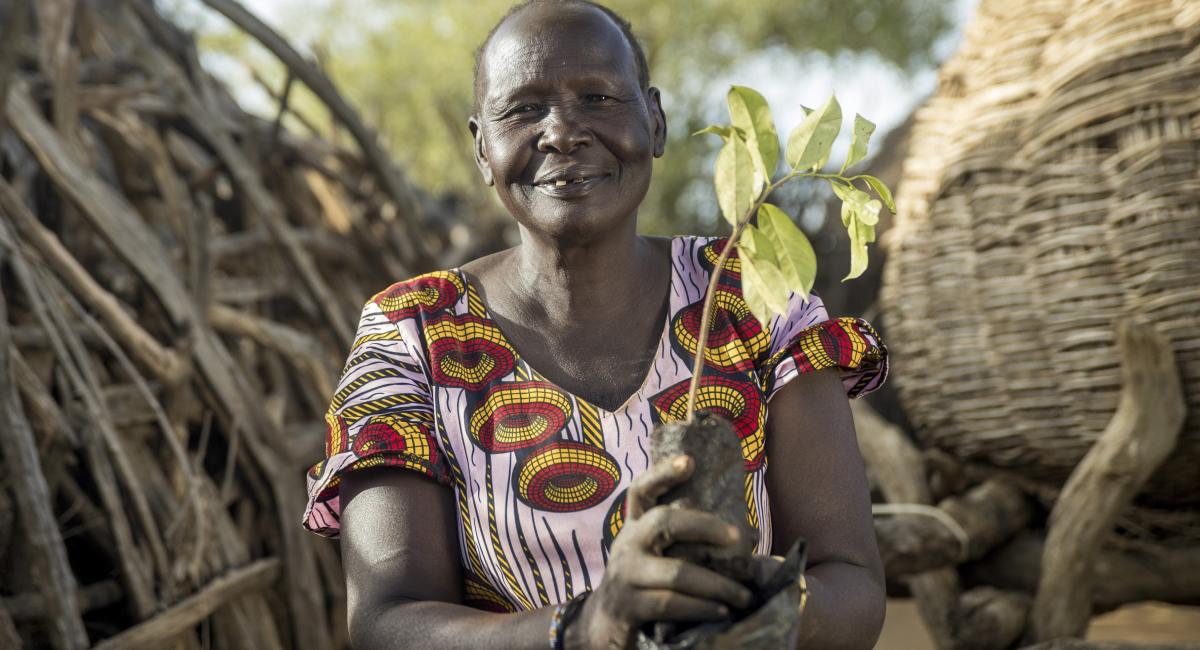
Three community-led initiatives were implemented as sustainable interventions to address existing challenges through locally driven solutions that promote community ownership and environmental protection. These initiatives focused on promoting drought-resistant forage species in Djibouti and Kenya, while a tree-planting campaign was launched in Uganda.
More images about the project
More videos about the project
More documents about the project