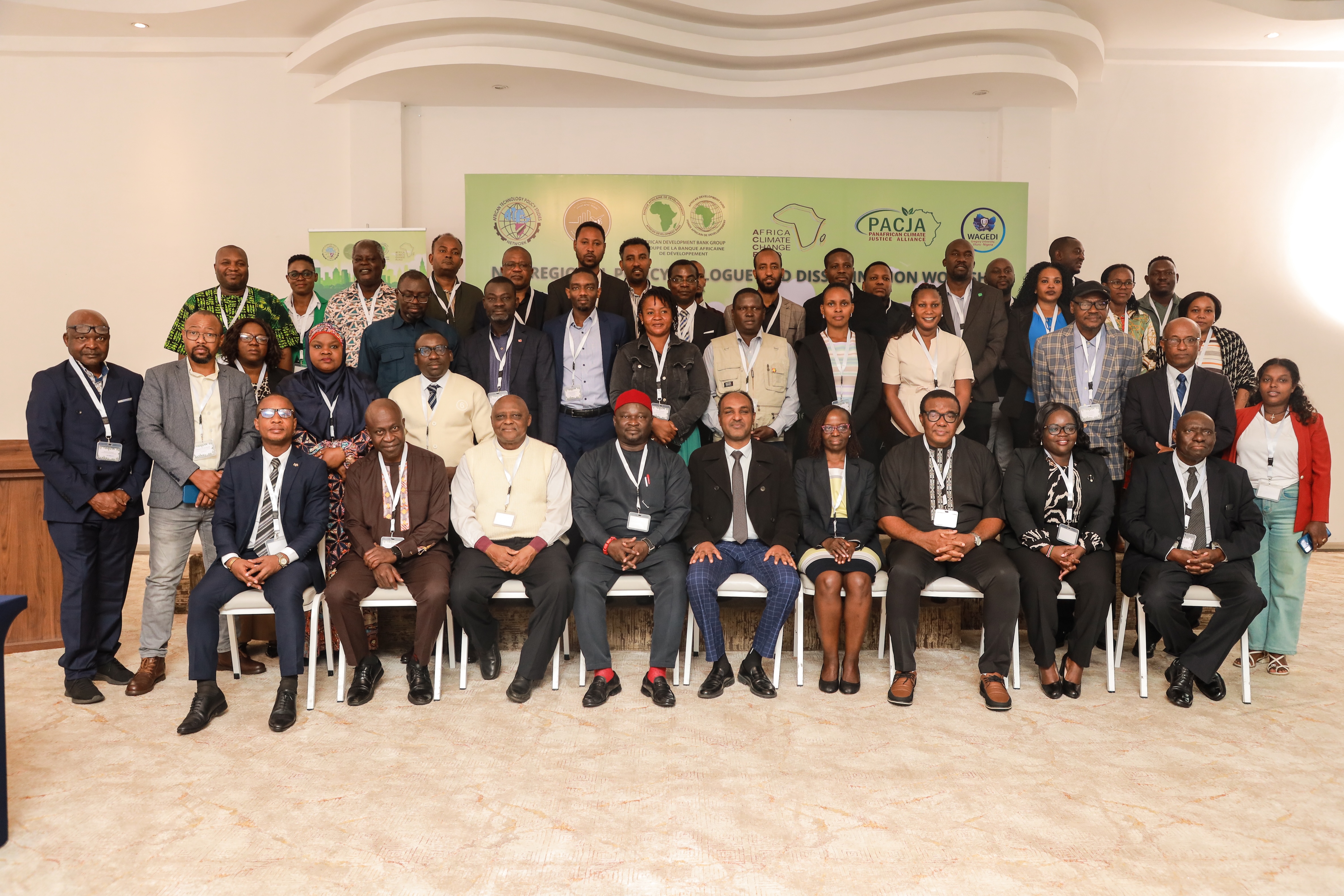




In a major step toward inclusive and equitable climate action, the Regional Collaboration Centre for East and Southern Africa (RCC EASA), hosted by the East African Development Bank, has completed a landmark two-year initiative to strengthen the leadership of women and gender experts in climate negotiations and national policy processes in East and Southern Africa. The project culminated in the release of a comprehensive Technical Guide on Integrating Gender in the Preparation of Nationally Determined Contributions (NDCs) and Long-Term Low-Emission Development Strategies (LT-LEDs). Designed for policymakers, national climate teams and gender focal points, the Guide serves as a practical tool for integrating gender perspectives across climate planning and instruments. Since its launch in February 2023, the initiative has supported 19 countries across the region, focusing on National Gender and Climate Change Focal Points (NGCCFPs) and other key negotiators. The project aimed to boost their ability to shape national policies and engage meaningfully in global negotiations, while advancing a vision of climate action that centers on equity and inclusivity. Key milestones included four regional in-person dialogues that brought together NGCCFPs, NDC focal points, civil society, and experts to co-develop regional strategies for gender mainstreaming. A month-long online training equipped over 60 participants with knowledge on UNFCCC processes, gender mandates, negotiation tactics, and practical integration of gender in climate policy. The project also enabled direct participation of NGCCFPs at key global meetings such as UN Climate Change global climate conferences, including COP 28, held in Dubai, United Arab Emirates. Their participation was deemed an asset within the delegations concerned at the conference.
Reflecting on the impact of the initiative, Jackline Makokha, Director of Gender at the State Department for Gender Affairs and Affirmative Action in Kenya and the UNFCCC National Gender and Climate Change Focal Point for Kenya, noted, “I extend my heartfelt gratitude to the project team for the invaluable engagements over the past two years, from the insightful knowledge exchange sessions to the unwavering support in facilitating our participation in UNFCCC meetings. The technical assistance has been transformative. We are certainly not the same, and we are committed to passing on the knowledge and skills we’ve gained, in the true spirit of mentorship. We look forward to similar initiatives in the future for the good of our region and humanity at large.”
The project’s central output, the Technical Guide, draws from over 20 global resources and offers clear, practical steps to integrate gender across all stages of NDC and LT-LEDs development: from visioning and stakeholder engagement to implementation and monitoring. More than a procedural manual, the Guide promotes a gender-transformative approach that challenges systemic inequalities and reimagines power structures through climate action. It urges planners to ask not just how women are affected by climate change, but how climate policy can drive deeper social transformation.
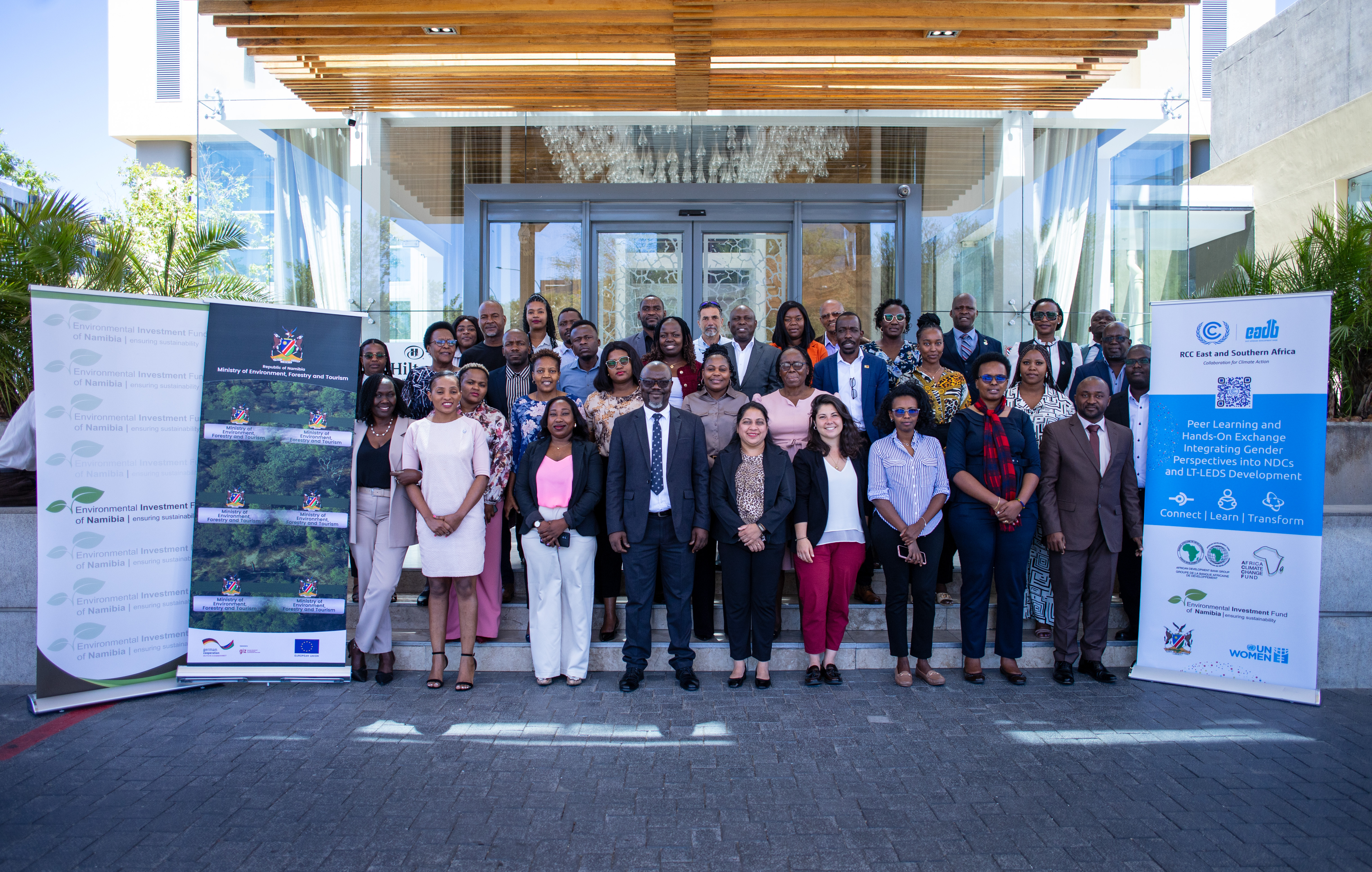
The Guide’s development was rooted in regional consultation. A high-level capacity-building workshop in Windhoek, Namibia, co-hosted by the Ministry of Environment, Forestry and Tourism and the Environmental Investment Fund with UN Women, helped shape the Guide’s structure. Input from NDC focal points, NGCCFPs, sectoral experts, and civil society ensured its content reflects practical realities and regional priorities. A rigorous literature review added depth and global relevance. As countries prepare their next generation of NDCs and LT-LEDs, the Technical Guide serves as a critical tool to ensure gender equality is not just considered but embedded and mainstreamed. It reinforces the role of gender focal points as key champions working alongside climate and sectoral experts to shape climate action that is equitable, inclusive, and transformative.
This initiative demonstrates how gender considerations can be integrated from the ground up, influencing every stage of climate policy design and implementation. The Guide stands as both a product and symbol of this progress, offering a pathway for countries to ensure their climate ambitions leave no one behind. Download the Technical Guide by clicking here .