


Côte d'Ivoire - Project to Prepare for Decarbonization of Solid, Medical and Pharmaceutical Waste Management

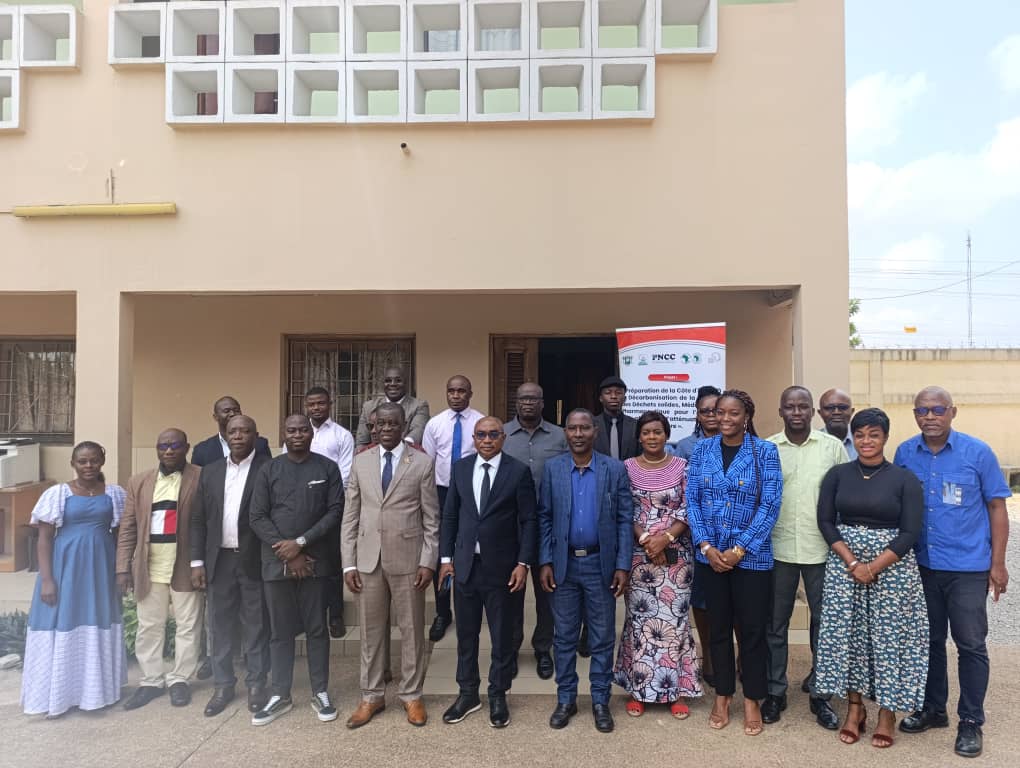
Côte d'Ivoire has committed in its Nationally Determined Contributions to reduce its greenhouse gas emissions by 30.40% in accordance with the Paris Climate Agreement. The waste sector, which accounts for 3.53% of national emissions, has been identified as one of the sectors with the highest greenhouse gas (GHG) emissions, behind the energy, agriculture, and forestry sectors.

Multinational - Development of Long-term Low Carbon and Climate Resilient Development Strategies

All African countries have ratified the United Nations Framework Convention on Climate Change (UNFCCC) Paris Agreement, signalling a high-level political commitment to address climate change. As part of the commitment to the goal of the Paris Agreement of limiting global average temperature to well below 2°C and ideally 1.5°C above pre-industrial levels, countries were invited to submit new or updated Nationally Determined Contributions (NDCs) and Long-Term Low Carbon and Climate-Resilient Development Strategies (LTS) by 2020 (Paris Agreement Article 4).

Multinational - Technical Assistance for increased Climate Finance Access

Climate change is caused primarily by human activities such as the burning of fossil fuels, deforestation, and industrial processes, which have led to a significant increase in the concentration of greenhouse gases in the atmosphere, resulting in global warming. The consequences of climate change are numerous and far-reaching, including rising temperatures, sea-level rise, increased frequency, and intensity of extreme weather events such as floods, droughts, and heatwaves, and loss of biodiversity.

Multinational - Building the Capacity of Selected Sub-Saharan African Countries to Effectively Measure Progress in the Implementation of Their Nationally Determined Contributions Using Tracking Tools and Indexes

The twelve Sub-Saharan African countries included in this study are parties to the UNFCCC and the Paris Agreement. Despite their long-standing participation in global climate negotiations, progress in implementing and reporting on Nationally Determined Contributions (NDCs) remains limited. Challenges such as reliance on secondary data, lack of technical capacity, financial constraints, and the complexity of cross-sectoral implementation have hindered effective NDC delivery.