
Sudan - Building Climate Resilience through Youth and Woman Farmers (Cancelled)
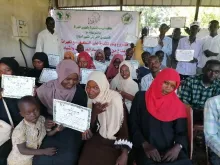
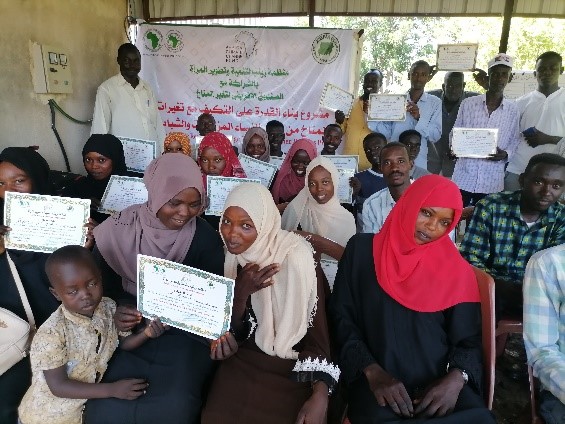
This proposal addresses climate-sensitive agricultural productivity and weak ecosystems that hinder the ability of youth (both female and male, aged 15–34) and women smallholder farmers to fight hunger and participate in the green growth of Sudan by enhancing the climate resilience — the ability to mitigate, adapt, and transform climate risks — of youth and women farmers in Gadaref. In Sub-Saharan Africa alone, there are over 50 million smallholder farmers producing food for millions more people across the continent.
Multinational - Establishment of a South-South Cooperation Programme to Support Direct Access to Climate Finance

Sub-Saharan Africa contributes less than 4% to global greenhouse gas emissions but remains the most vulnerable region to climate change impacts. Its economies, heavily dependent on natural resources and agriculture, face growing threats from extreme weather events such as droughts, floods, and temperature stress. Although many countries have developed Nationally Determined Contributions (NDCs), their implementation is constrained by limited financial and institutional capacities.

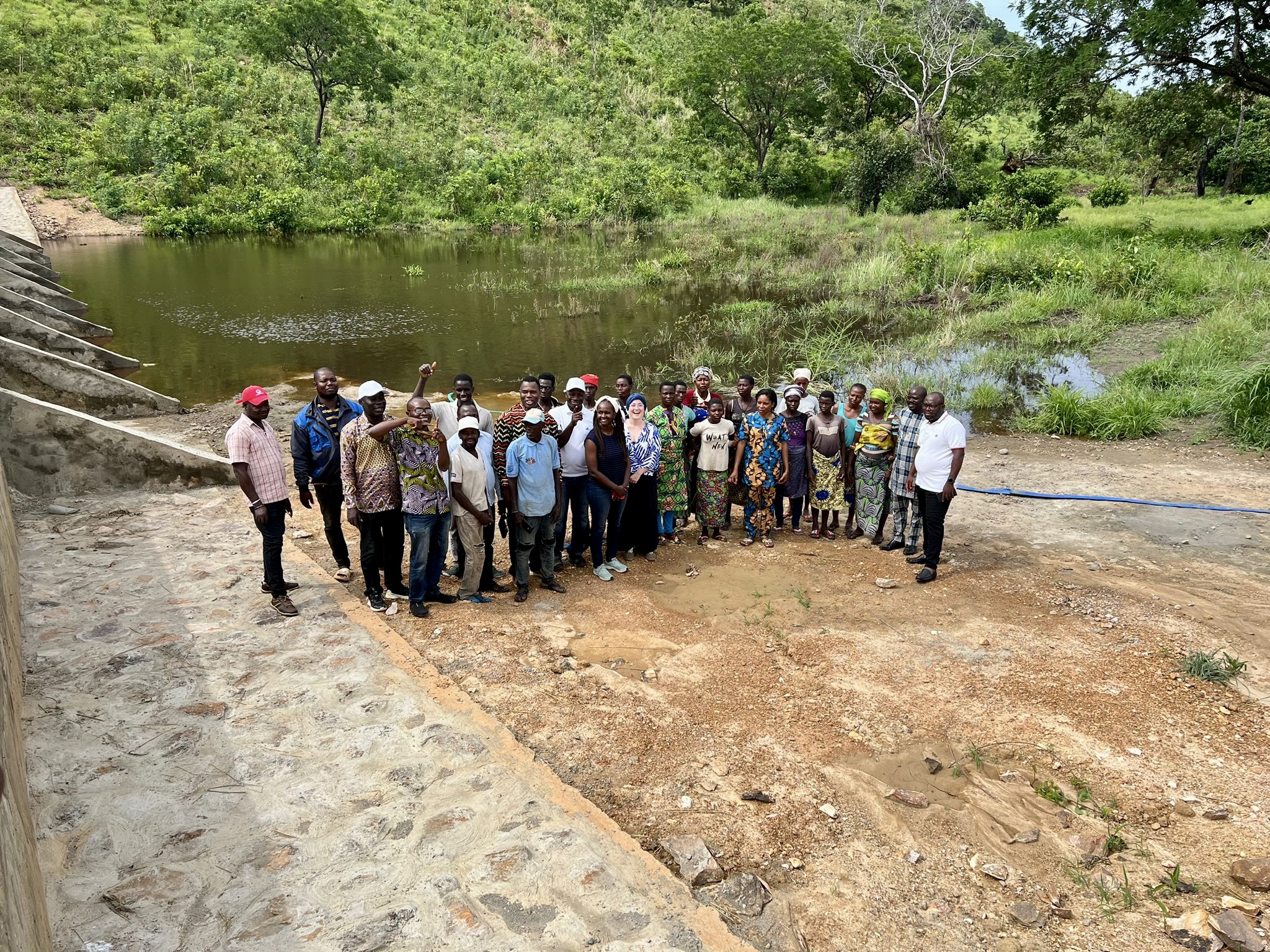
Benin/Lesotho - Local Climate Adaptive Living Facility

The overall objective of the project is to improve the climate resilience of communities and local economies by increasing investments in climate change adaptation in target areas. This will enhance local governments’ direct access to climate finance by supporting the identification and strengthening of national institutions and stakeholders to access the Green Climate Fund.

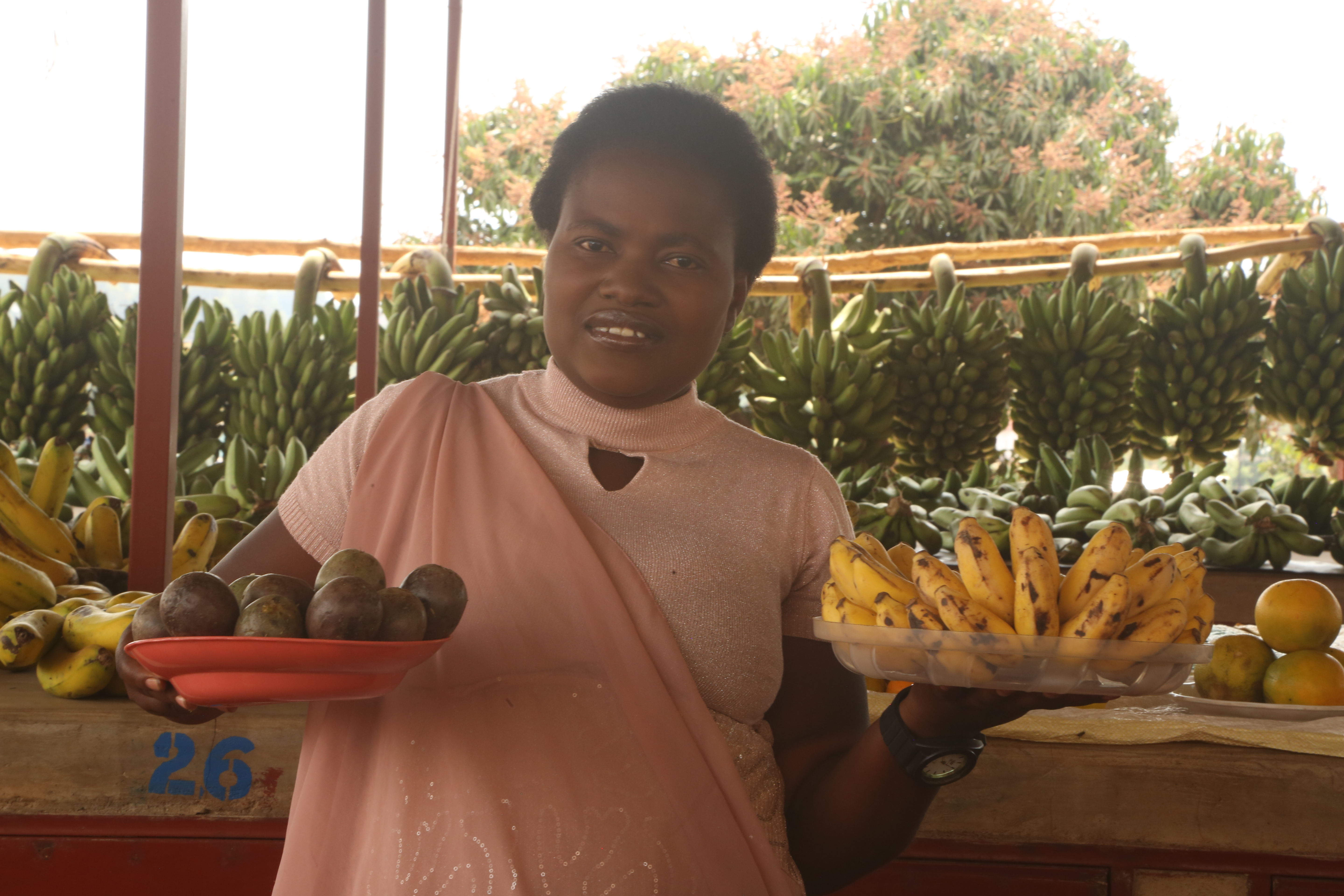
Rwanda - Promoting Climate Smart Agriculture for Improved Rural Livelihoods and Climate Resiliency in the Climate-vulnerable Eastern Province

Climate change in Rwanda is a threat not only to agricultural productivity, but it also alters the functions of ecological systems, resulting in modifications to ecosystem services provisioning (e.g., erosion control, pollination, food production, fuelwood production, water purification, soil conservation, disease prevalence, and reduced vulnerability to natural disasters) and the well-being of people that rely on these services. It also causes degradation of ecosystems and loss of habitat (for wildlife) and species.

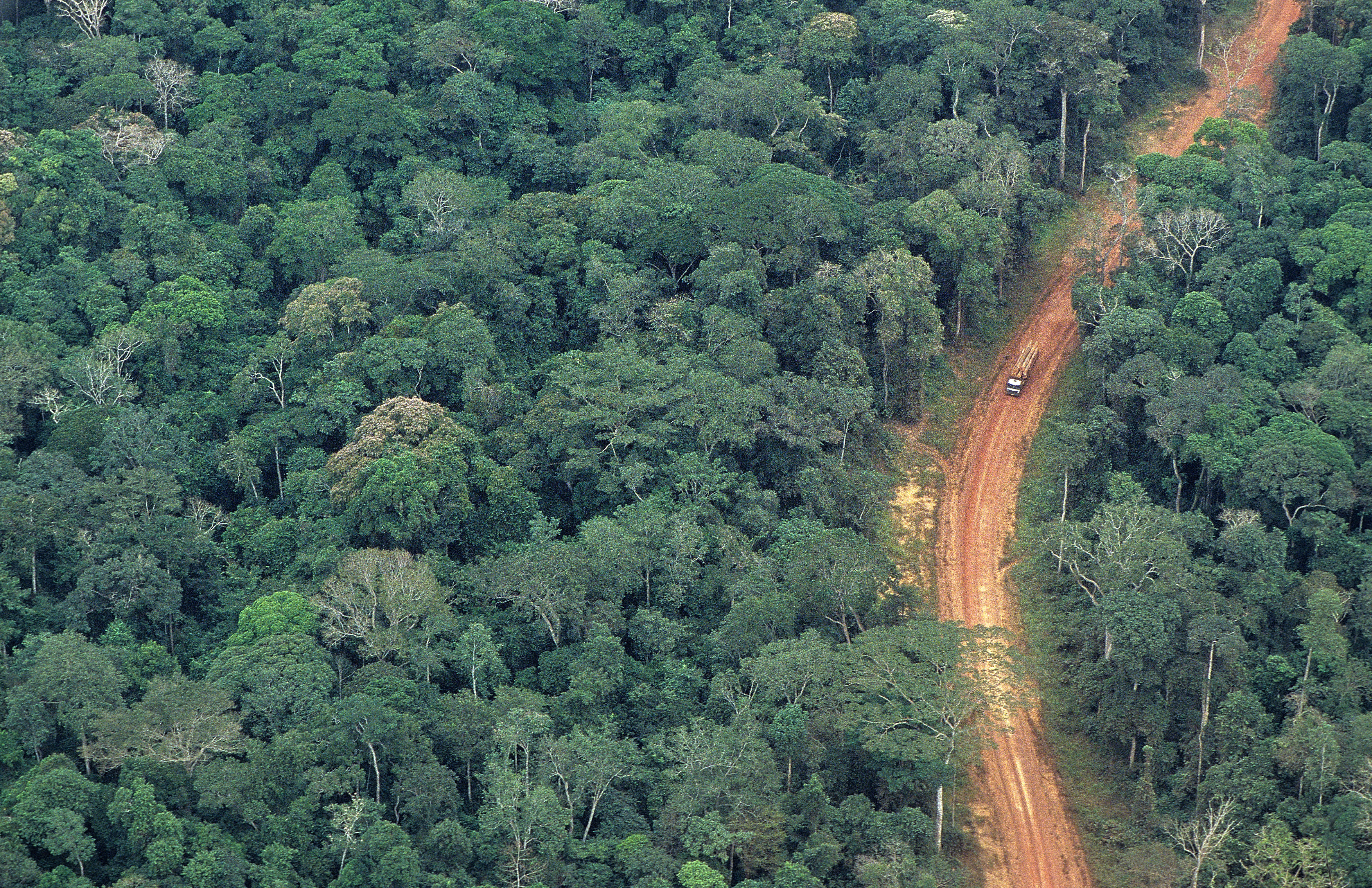
Multinational - The NDC support Hub: Supporting NDC Implementation in Africa

The African Development Bank, through the Africa NDC Hub, supports the implementation of Africa’s NDCs. The Bank established the Africa NDC Hub in November 2017 in response to a call by RMCs to support the implementation of their NDCs. In partnership with 17 development institutions, the Hub serves as a collaborative platform and resource pool supporting the implementation of African countries’ NDCs. Through the Africa NDC Hub, the Bank is able to leverage the capacities of other member institutions of the Hub in supporting RMCs.

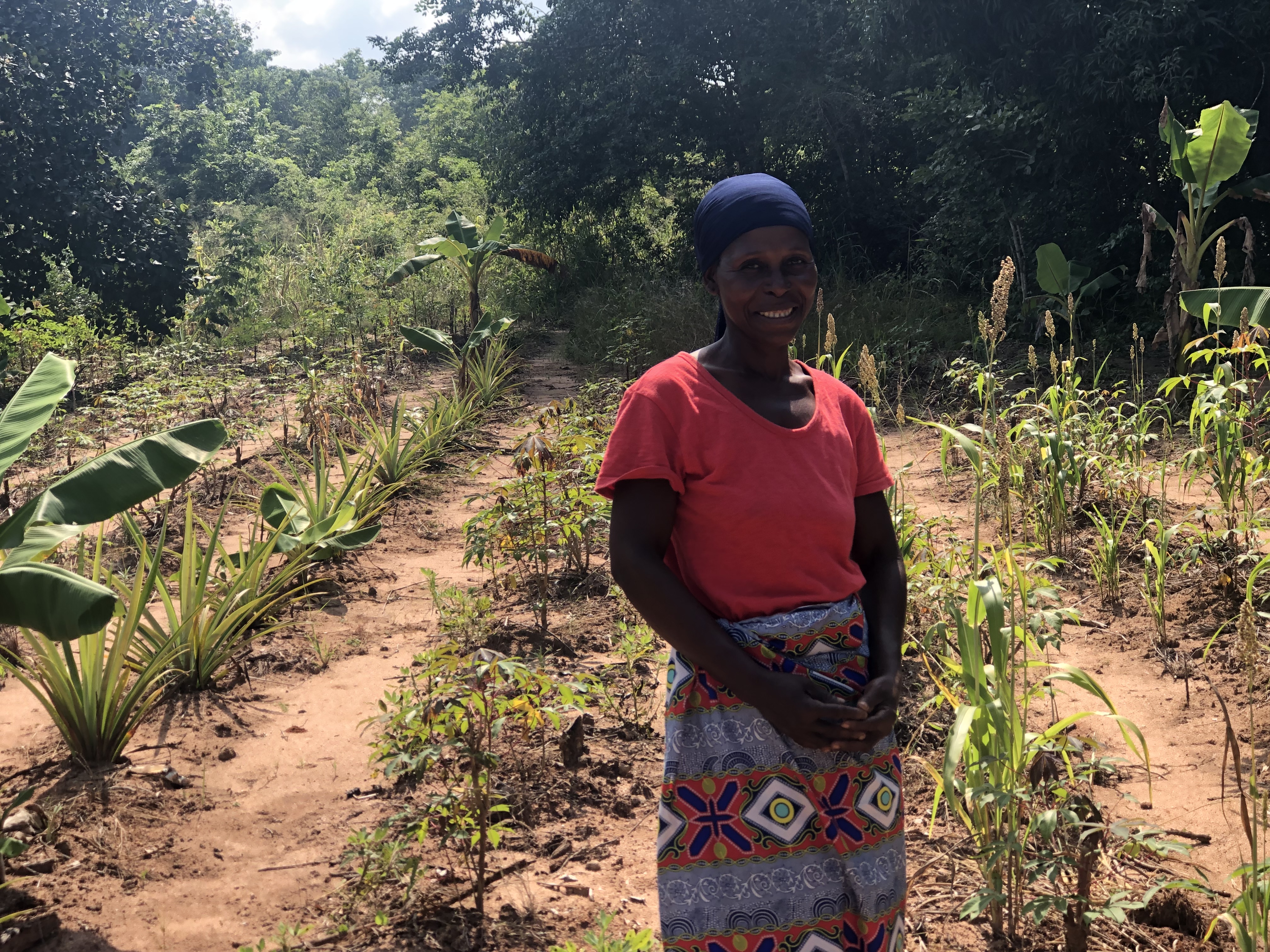
Mozambique - Synthropic Agriculture as a Strategy to Foster Resilience, Climate Adaptation, and Recovery of Vulnerable Communities Living in Degraded Marine and Coastal Ecosystems in Zambezia

The densely populated coastal lowlands are being increasingly affected by severe erosion, saltwater intrusion, loss of vital infrastructure, and the spread of diseases such as malaria and cholera. Changing rainfall patterns are leading to a decrease in soil water recharge, impacting groundwater resources and the water table in wells. Mozambique ranks 142 out of 178 countries in the ND-GAIN Index (2013), which is worse than in 2010 (rank 137).

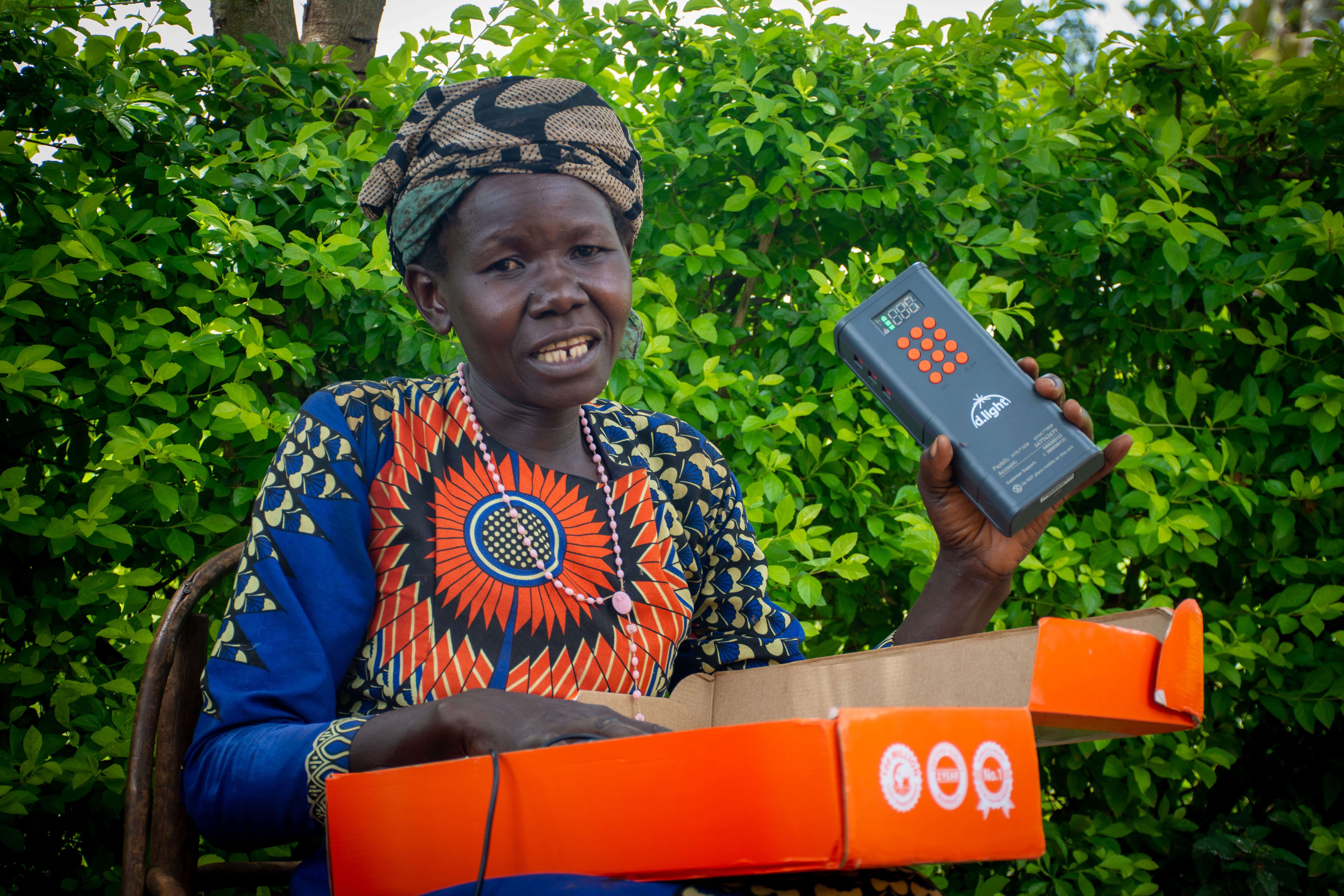
Kenya/Uganda - Green Energy for Women and Youth Resilience

Financial Service Providers (FSPs) often lack tailored financial products that meet the needs of Sustainable Energy Value Chain (SEVC) actors, whether along the supply chain or among end-users and this gap is even more pronounced for women and youth. According to the World Bank Global Findex 2017, account ownership among women is 78% in Kenya and 53% in Uganda, compared to 86% and 66% for men, respectively. Youth account ownership stands at 76% in Kenya and 57% in Uganda.

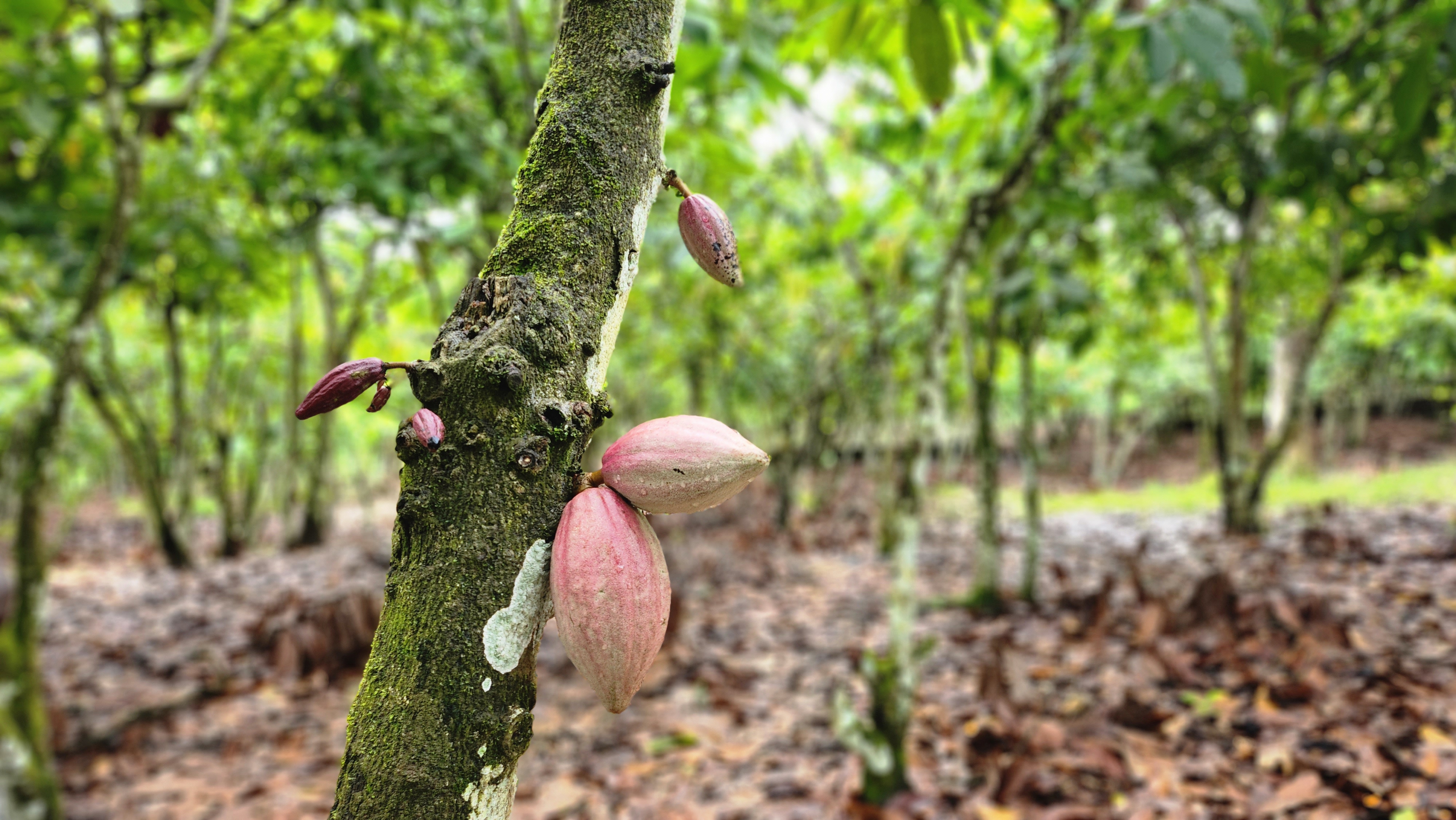
Côte d'Ivoire - Enhancing Resilience of Smallholder Cocoa Farmers through the Adaptation Benefit Mechanism

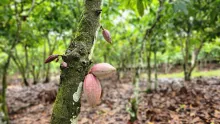
Smallholder cocoa farmers in Côte d’Ivoire lack the capacity and financial means to withstand climate shocks. They are highly vulnerable to climate change because cocoa trees, their main source of income, are extremely sensitive to rising temperatures, irregular rainfall, and pests that are being exacerbated by climate change.