
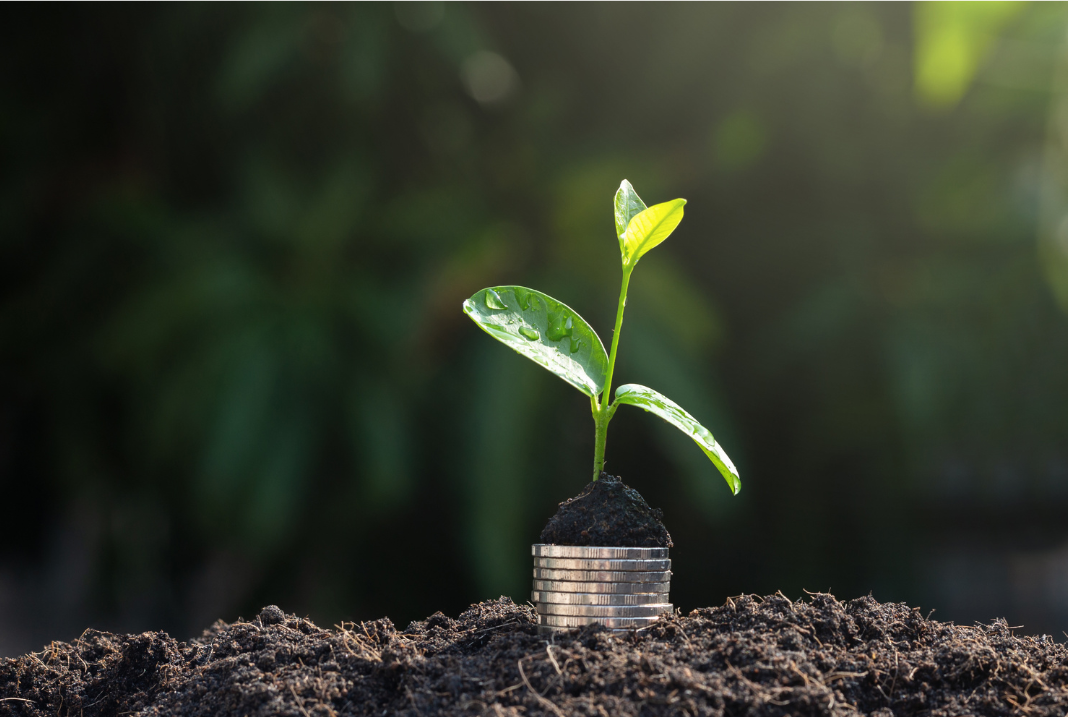

Multinational - Technical Assistance for increased Climate Finance Access
Climate change is caused primarily by human activities such as the burning of fossil fuels, deforestation, and industrial processes, which have led to a significant increase in the concentration of greenhouse gases in the atmosphere, resulting in global warming. The consequences of climate change are numerous and far-reaching, including rising temperatures, sea-level rise, increased frequency, and intensity of extreme weather events such as floods, droughts, and heatwaves, and loss of biodiversity.
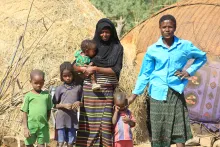
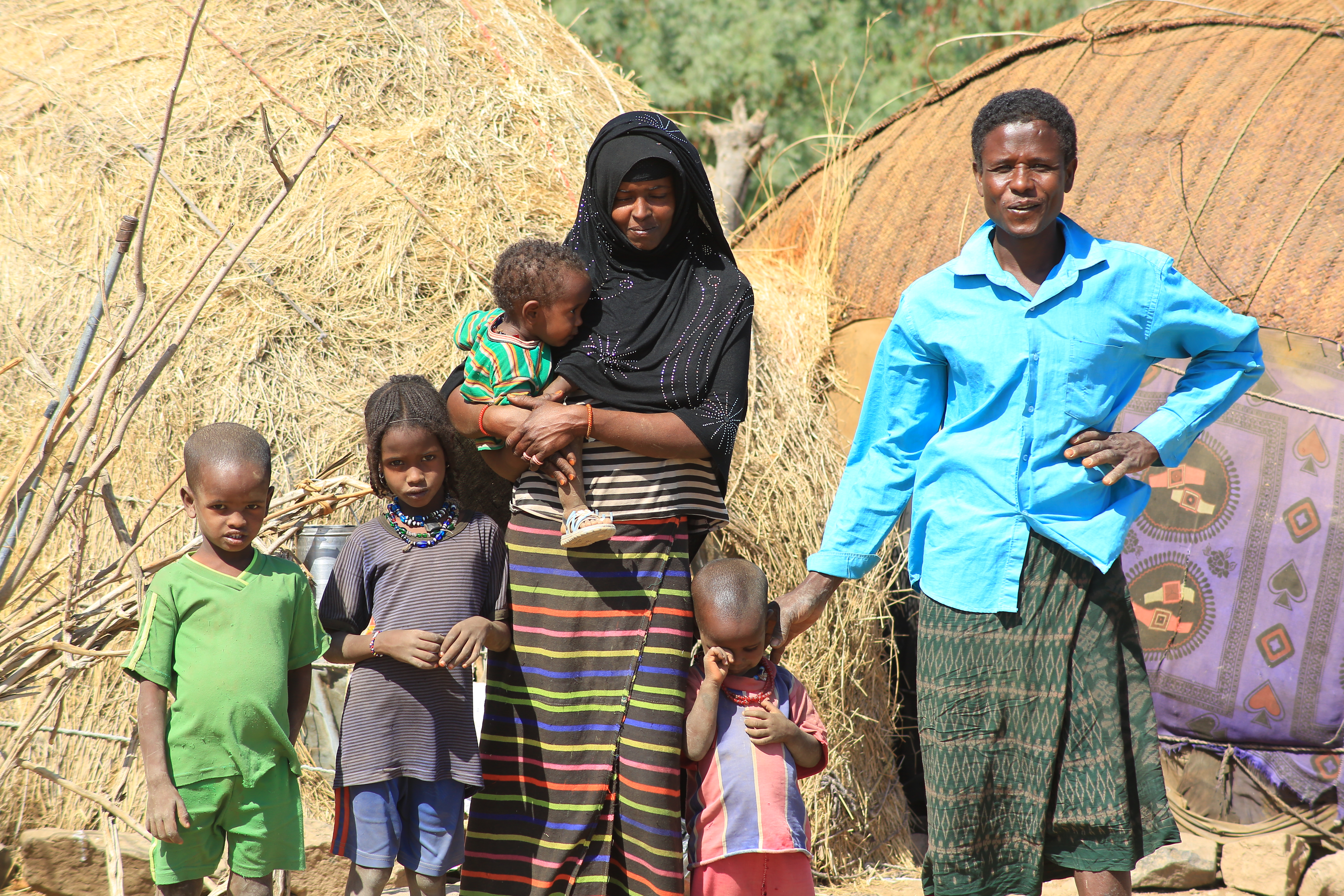
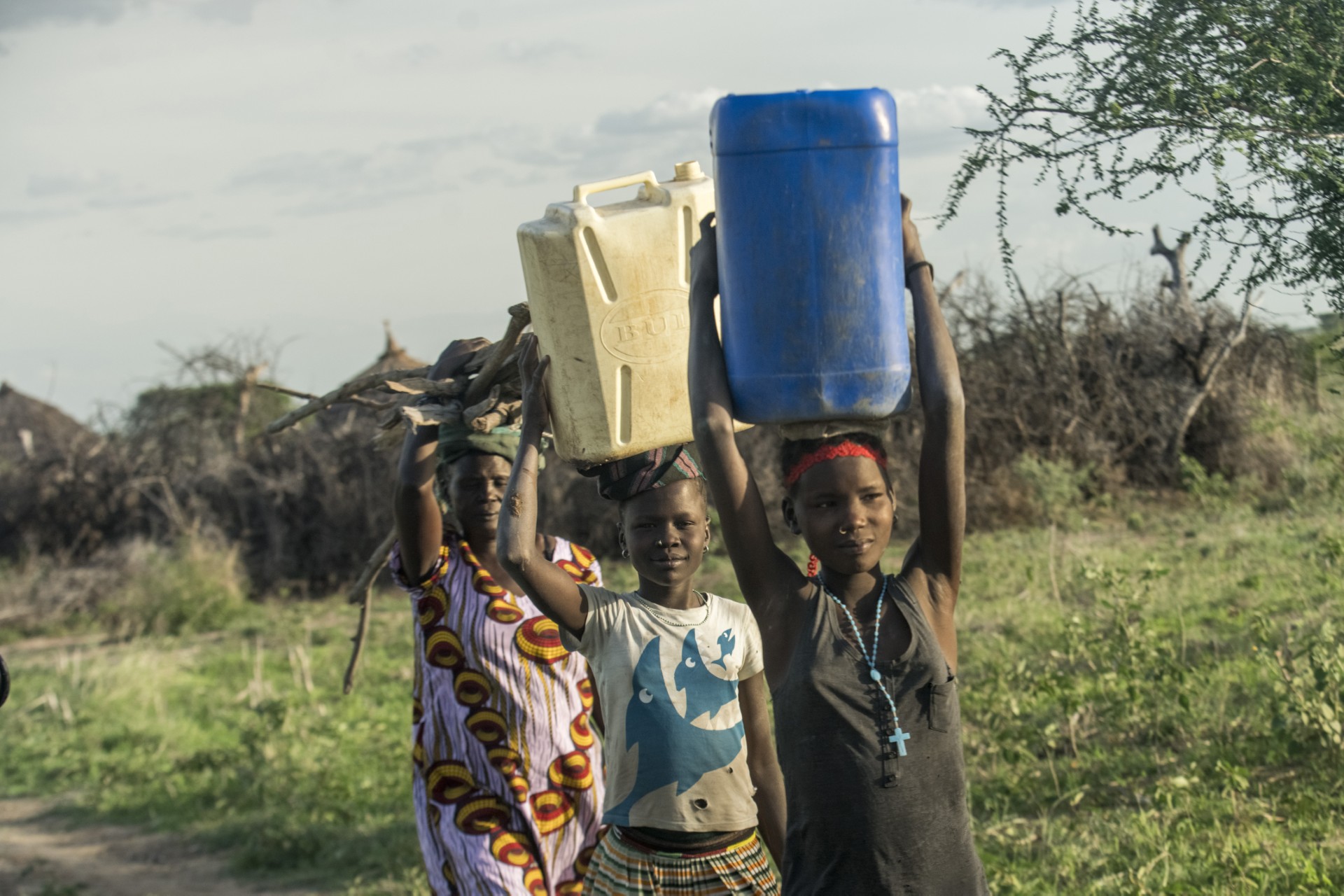
Ethiopia - Gender Transformation and Climate Resilience in Afar and Oromia Regional States

Ethiopia is one of the countries most vulnerable to climate change impacts. The country’s economy is heavily dependent on rain-fed agriculture. The contribution of the agriculture sector to the national GDP is estimated to be 42%, and 85% of employment is in the agriculture sector, making the country particularly sensitive to climate change. Drought is the major cause of food insecurity and famine in many regions of Ethiopia, particularly in the arid and semi-arid parts of the country.

Multinational - Enhancing Access to Climate Information in Africa

The project developed up-to-date information on climate change vulnerabilities, greenhouse gas emissions, and opportunities for adaptation and mitigation in 25 African countries, tailored to the specific needs of each country. It also provided training for staff in economic and planning departments to strengthen their capacity to understand and apply climate data. This support has enhanced the ability of African countries to strategically plan long-term climate interventions and to access international climate finance.

Multinational - Building the Capacity of Selected Sub-Saharan African Countries to Effectively Measure Progress in the Implementation of Their Nationally Determined Contributions Using Tracking Tools and Indexes

The twelve Sub-Saharan African countries included in this study are parties to the UNFCCC and the Paris Agreement. Despite their long-standing participation in global climate negotiations, progress in implementing and reporting on Nationally Determined Contributions (NDCs) remains limited. Challenges such as reliance on secondary data, lack of technical capacity, financial constraints, and the complexity of cross-sectoral implementation have hindered effective NDC delivery.

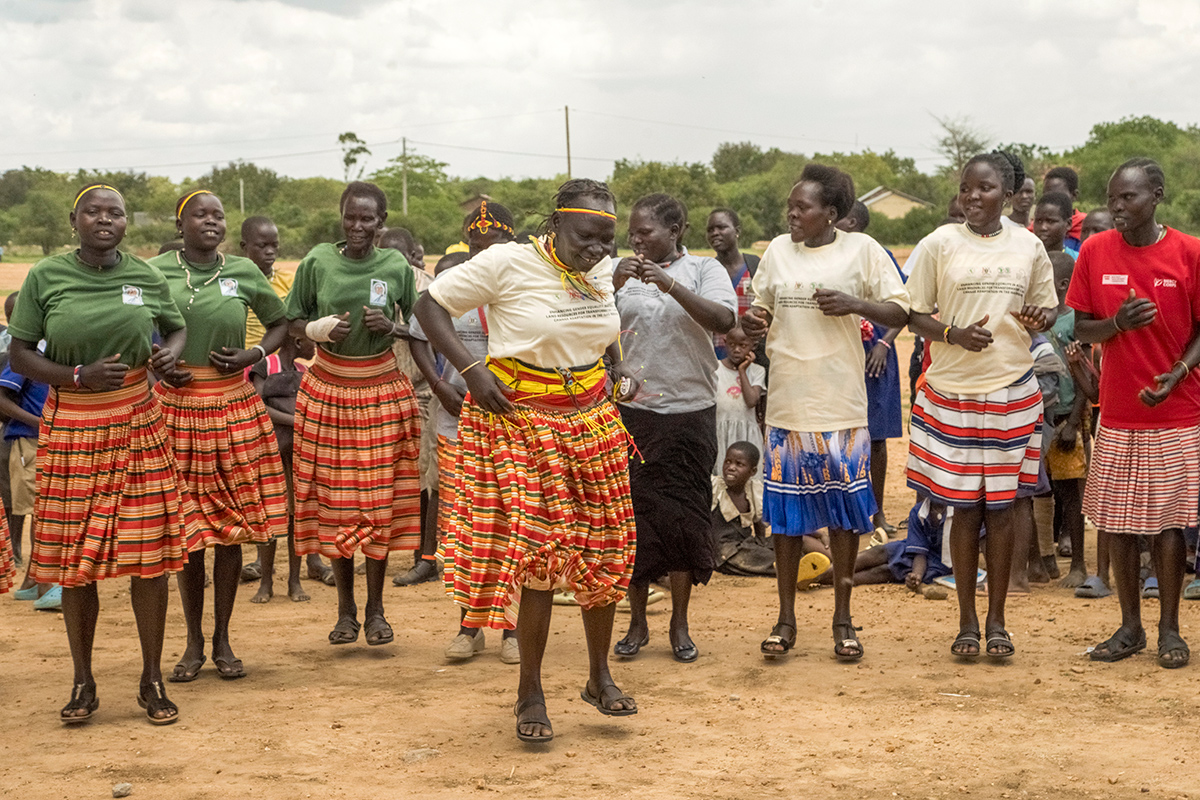
Multinational - Capacity Building for Women Climate Change Negotiators in Eastern and Southern Africa

Eastern and Southern Africa is one of the most vulnerable regions in the world to the impacts of climate change, with two of the most affected countries and four out of the ten most affected countries globally in 2019. The extent of exposure and adaptive capacity varies both within and across communities, depending heavily on intersections of socio-economic status, socio-cultural norms, and access to resources.