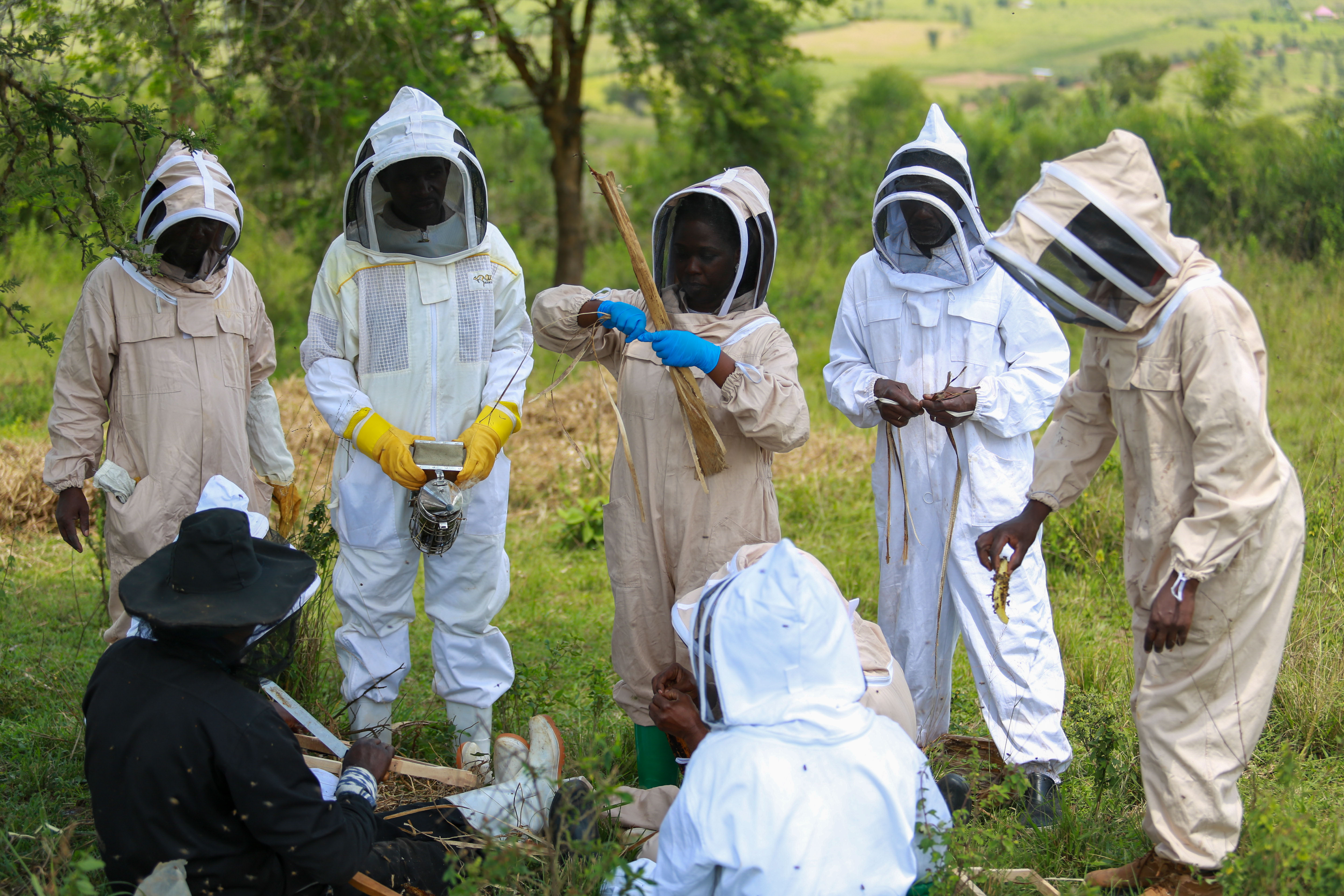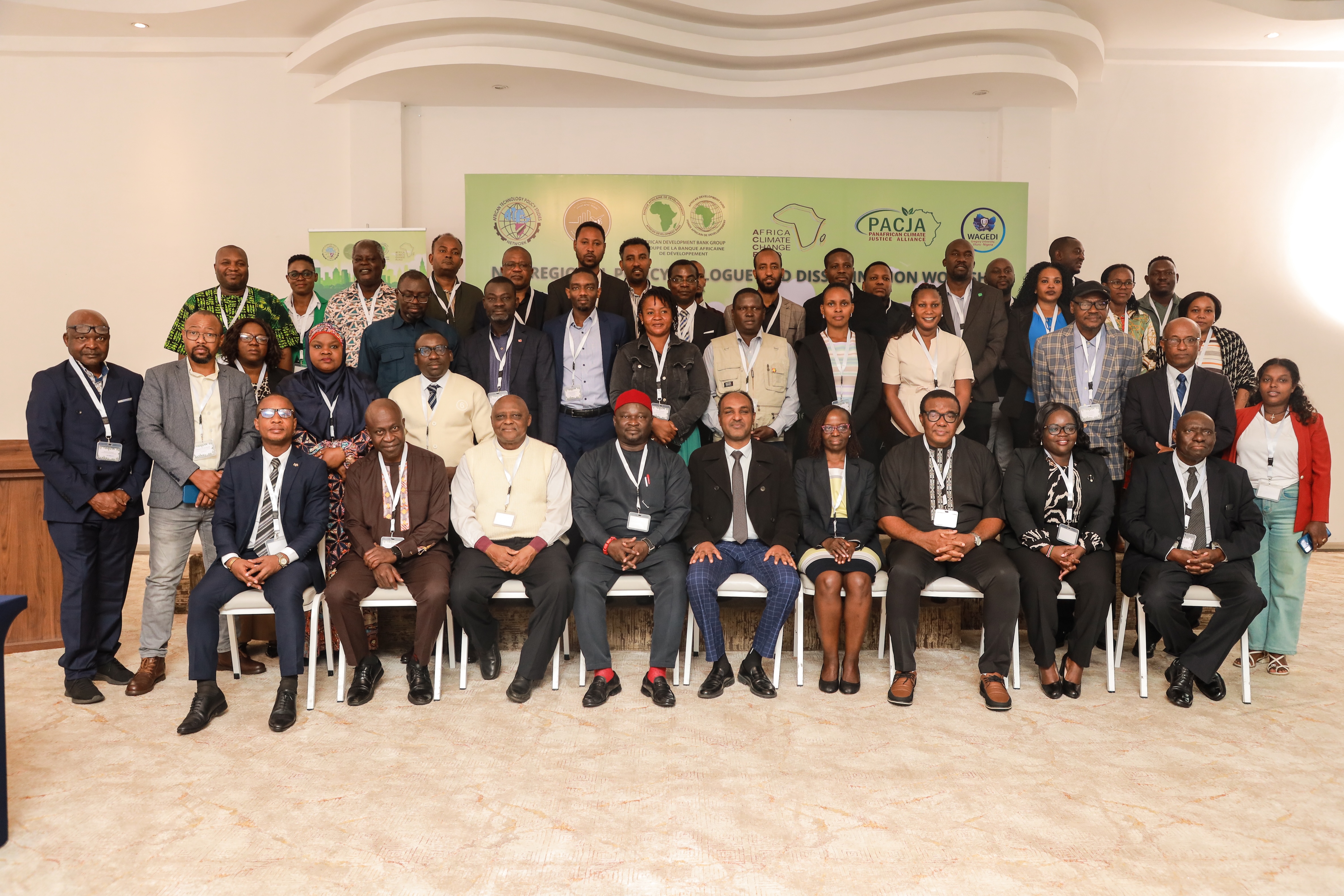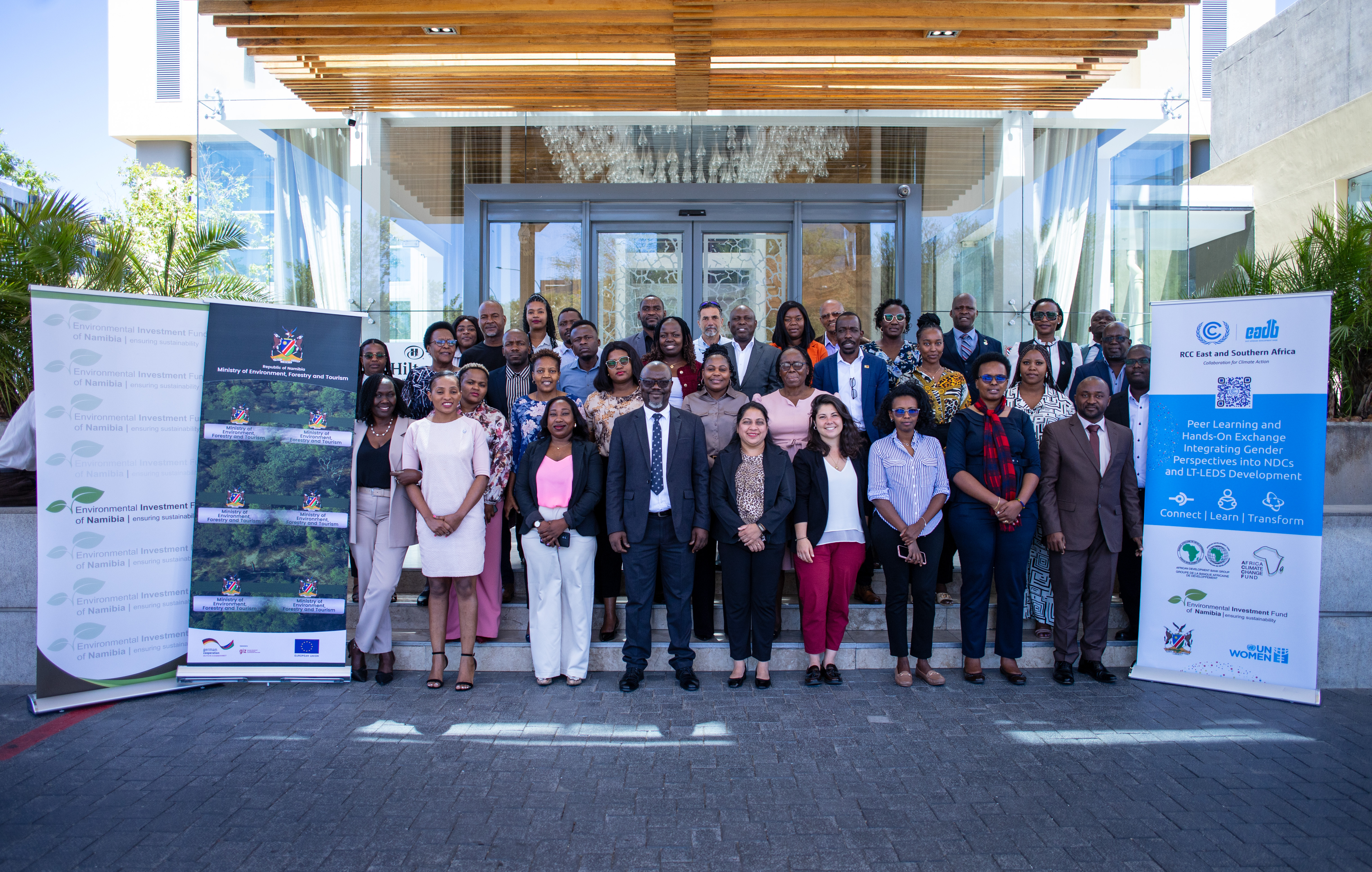


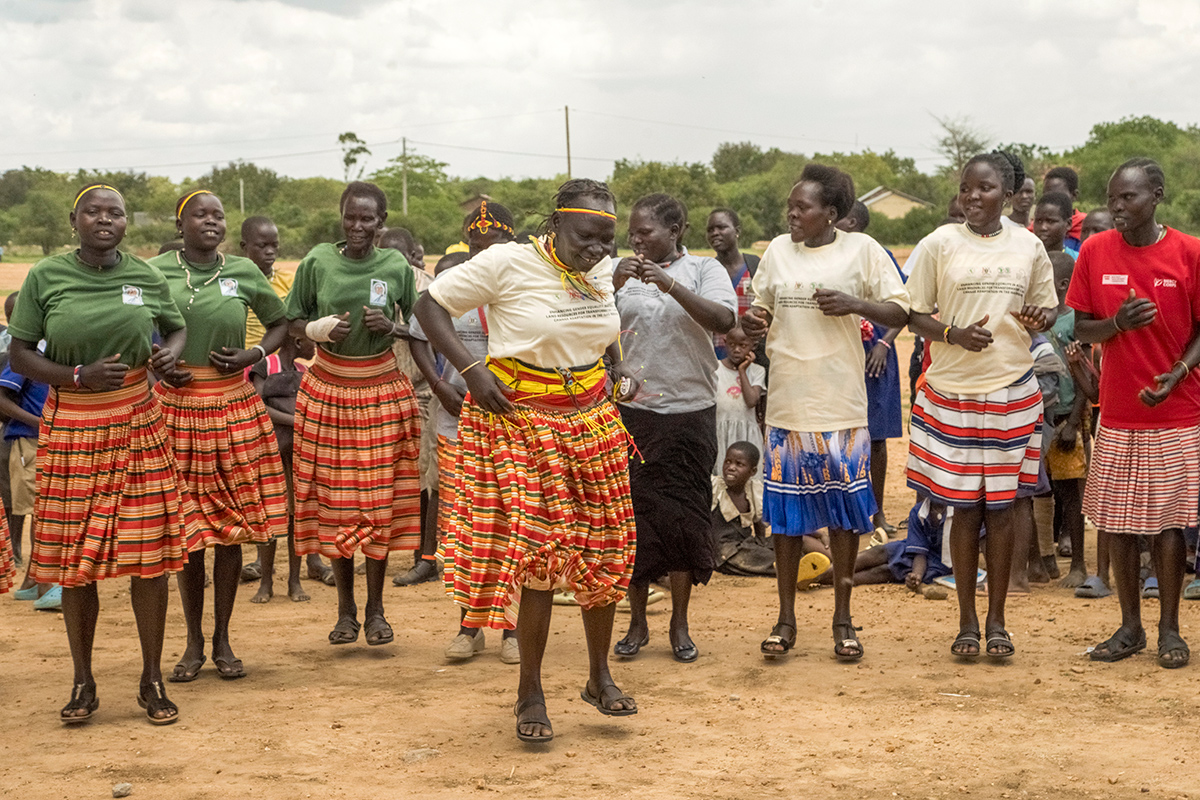

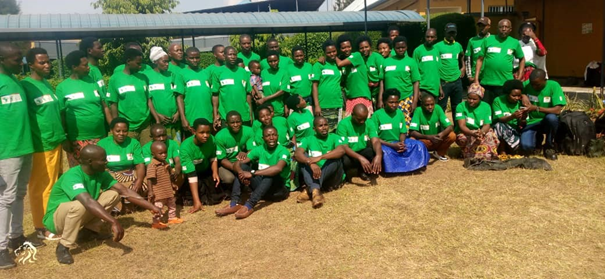
On August 21-22, 2023, the project team trained 50 farmers from the four districts of implementation of the project (including Kirehe, Kayonza, Nyagatare and Gatsibo). The main objective of this training was to educate farmers both on benefits of agroforestry as a practice of climate smart agriculture and on the need to include gender considerations in agricultural activities planning, implementation and use of agricultural income. The trainees, also identified as lead farmers, will contribute to reaching out to other farmers in their communities to implement best agricultural gender-focused practices.
Following this training session, the lead farmers were engaged and through their support identified communities in the four districts to achieve significant results by implementing the agricultural practices they learnt with 20 women. For example, farmers planted 208,000 trees in the community lands in Kirehe, Kayonza, Gatsiobo and Nyagatare districts. Eleven tree species were planted including Gliricidia sepium, Calliandra calothyrsus, Leucaena diversifolia, Acacia angustisma, Markhamia lutea and Maesopsis eminii.
Also, the lead farmers distributed drought tolerant varieties of maize and beans (NUA 566 for beans and WH101 for maize) to farmers in Kayonza, Kirehe, Gatsibo and Nyagatare districts. The team started with 33 beneficiaries in the first round and a large quantity of seeds is going to be distributed in the upcoming season.