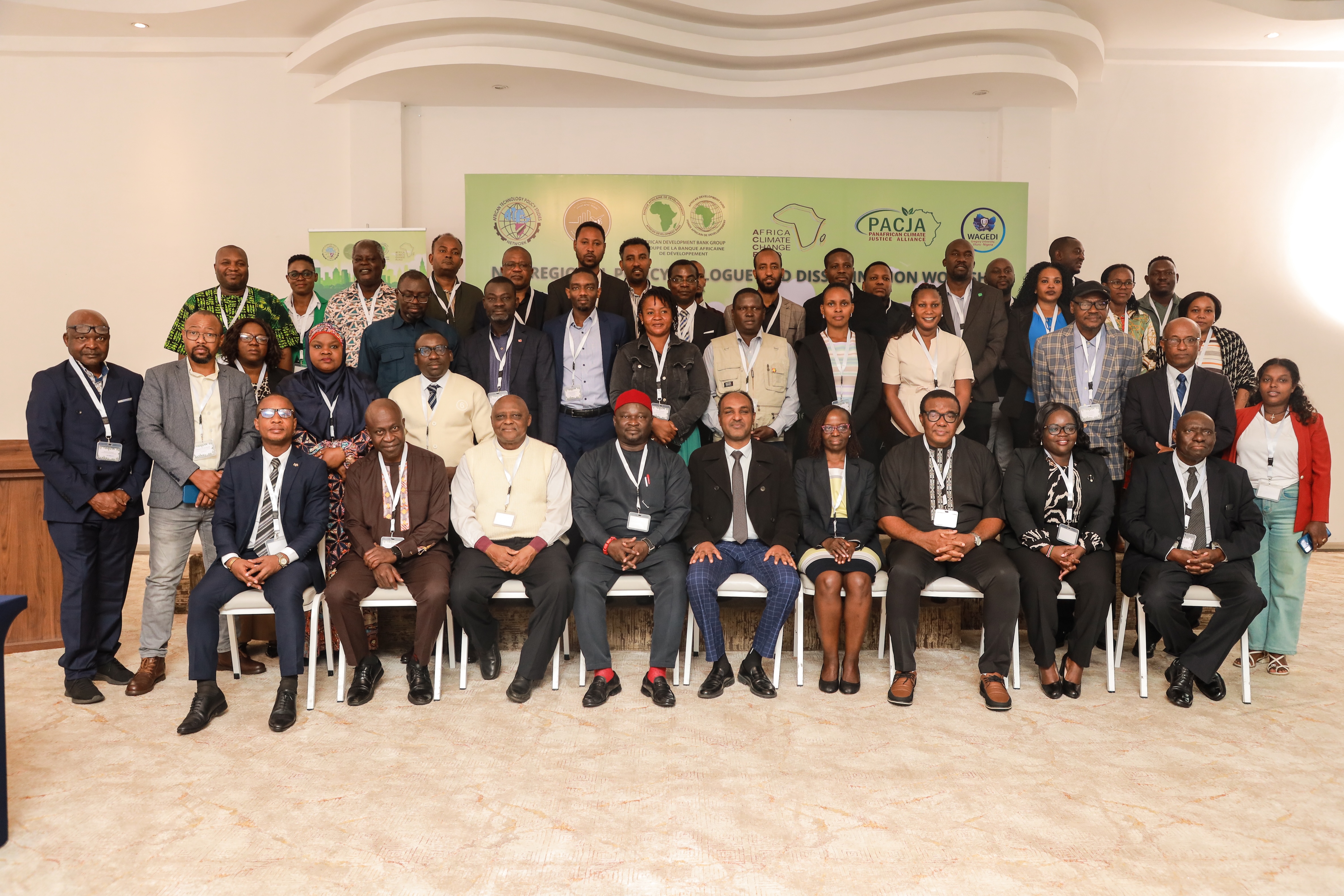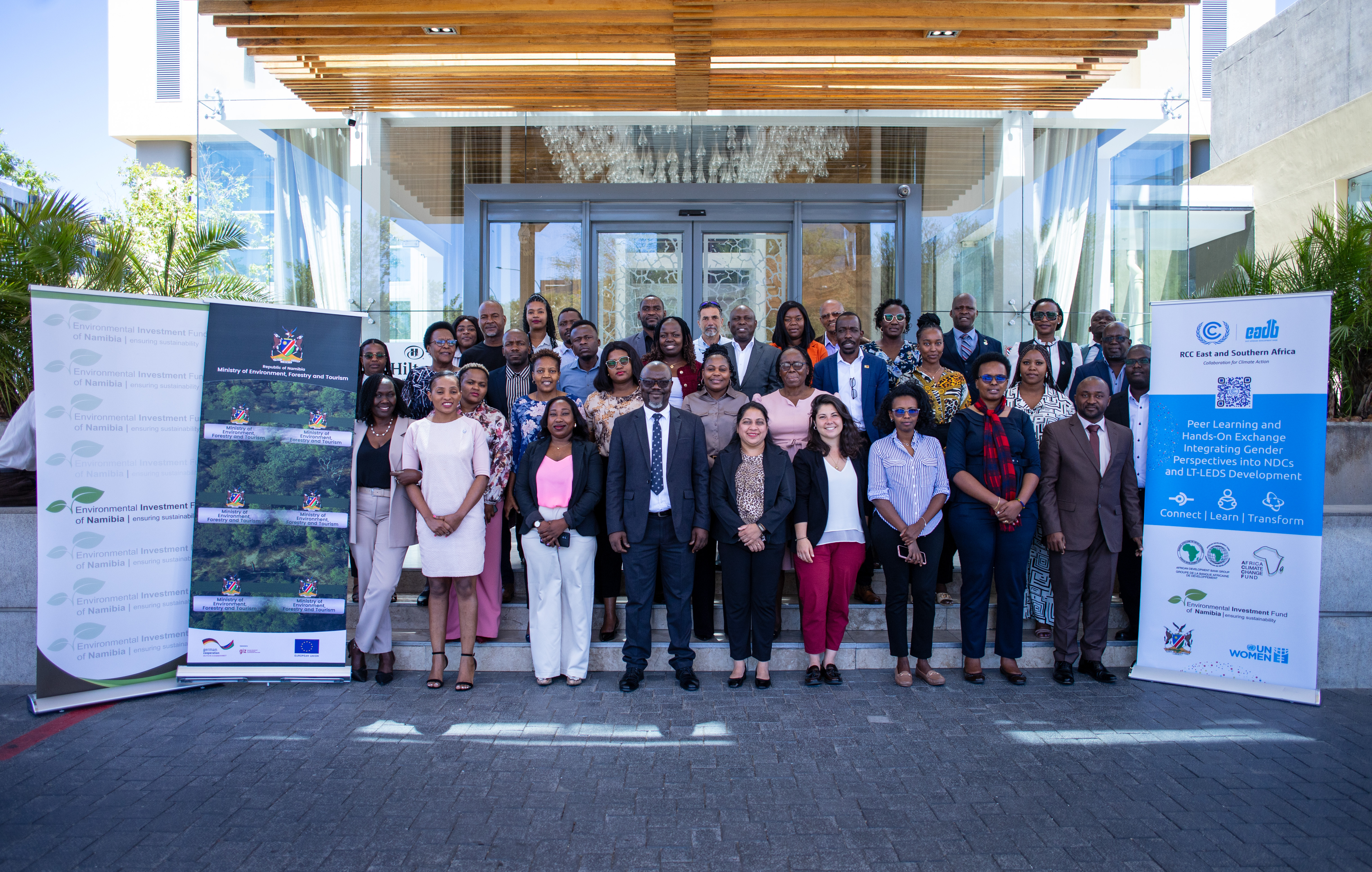






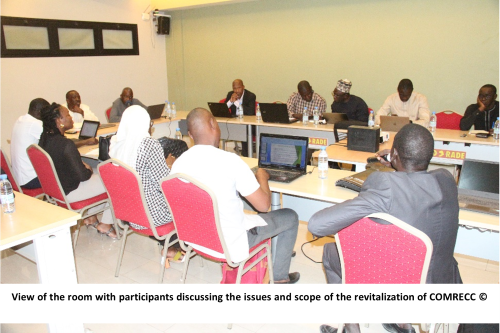
A workshop held in Dakar on May 11, 2023, brought together 17 participants, including representatives from the National Committee on Climate Change (NCCC), regional climate change committees (RCCC), and key stakeholders in climate change. The workshop aimed to reflect on ways to enhance multi-scale climate change governance and foster better engagement of local actors.
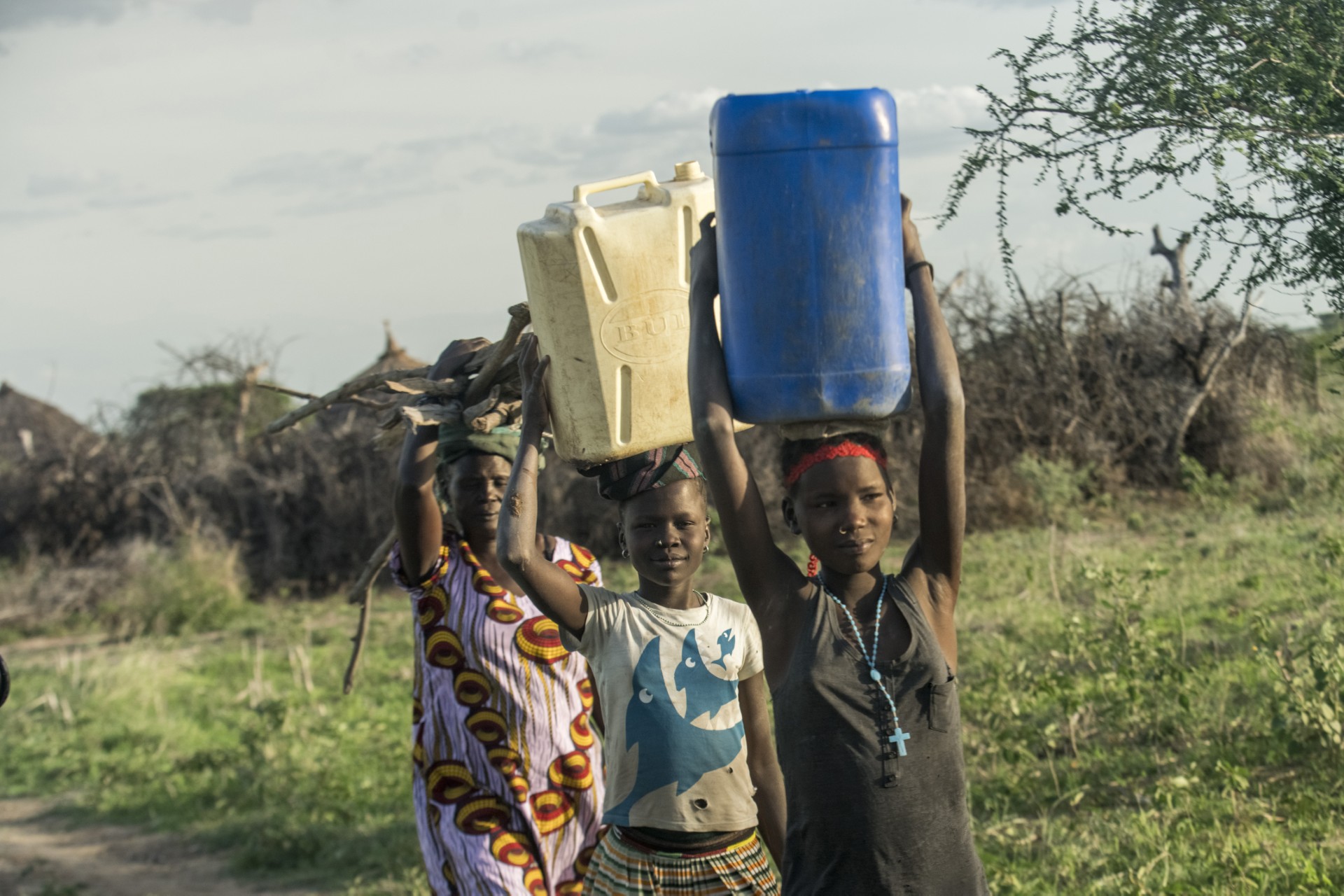
Senegalese local communities have had limited visibility in climate action due to their inadequate capacities to address the effects of climate change. Against this, the National Local Development Program (NLDP) submitted and secured funding from the Africa Climate Change Fund (ACCF), African Development Bank (AfDB) for the project, titled "Removing Barriers to Climate Finance Access for Territorial Communities," seeks to empower these communities by providing them with the necessary resources in June 2020.
To ensure local concerns are effectively integrated into decision-making processes, the various stakeholders shared their experiences and insights on establishing connections between national, regional, and local governance bodies. Following the presentations and discussions, participants reached consensus on the need to strengthen dialogue and collaboration between national and sub-national institutions. This entails capacitating local and sub-national entities to better understand climate-related issues, fostering stronger partnerships for research and securing green financing for local communities, and promoting multi-level governance that fosters a shared vision of climate resilience across different scales of intervention.
The key strategic outcome of these discussions was an action plan that will be integrated into existing government committees. The plan focuses on key areas such as governance, capacity building, information sharing, and the identification of productive sectors. Implementation of this initiative will establish an effective partnership between the NCCC and RCCC, by facilitating the inclusion of local actors into national decision-making processes regarding climate change. However, the success of this initiative hinges on the full commitment of national and local authorities, who are responsible for mobilizing the necessary technical and financial resources. While utilizing their own resources, it is important for these authorities to also consider potential support from traditional partners.
The participants highly appreciated the convening of the workshop. Nonetheless, there were priorities to be considered in order to ensure fruitful collaboration between NCCC and RCCC, leading to the effective implementation of the action plan. These include increased involvement of NCCC and national/local authorities in the functioning of RCCC, improved coordination of actions, identification of synergies, and mobilization of financial resources to ensure smooth operation of the committees.
In summary, the purpose of the workshop was to strengthen climate change governance and revitalize regional climate change committees. Through dialogue and strong collaboration, it aims to empower local actors to integrate their perspectives into decision-making processes and foster effective multi-level governance for climate resilience.