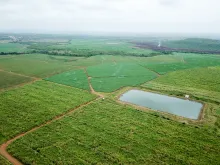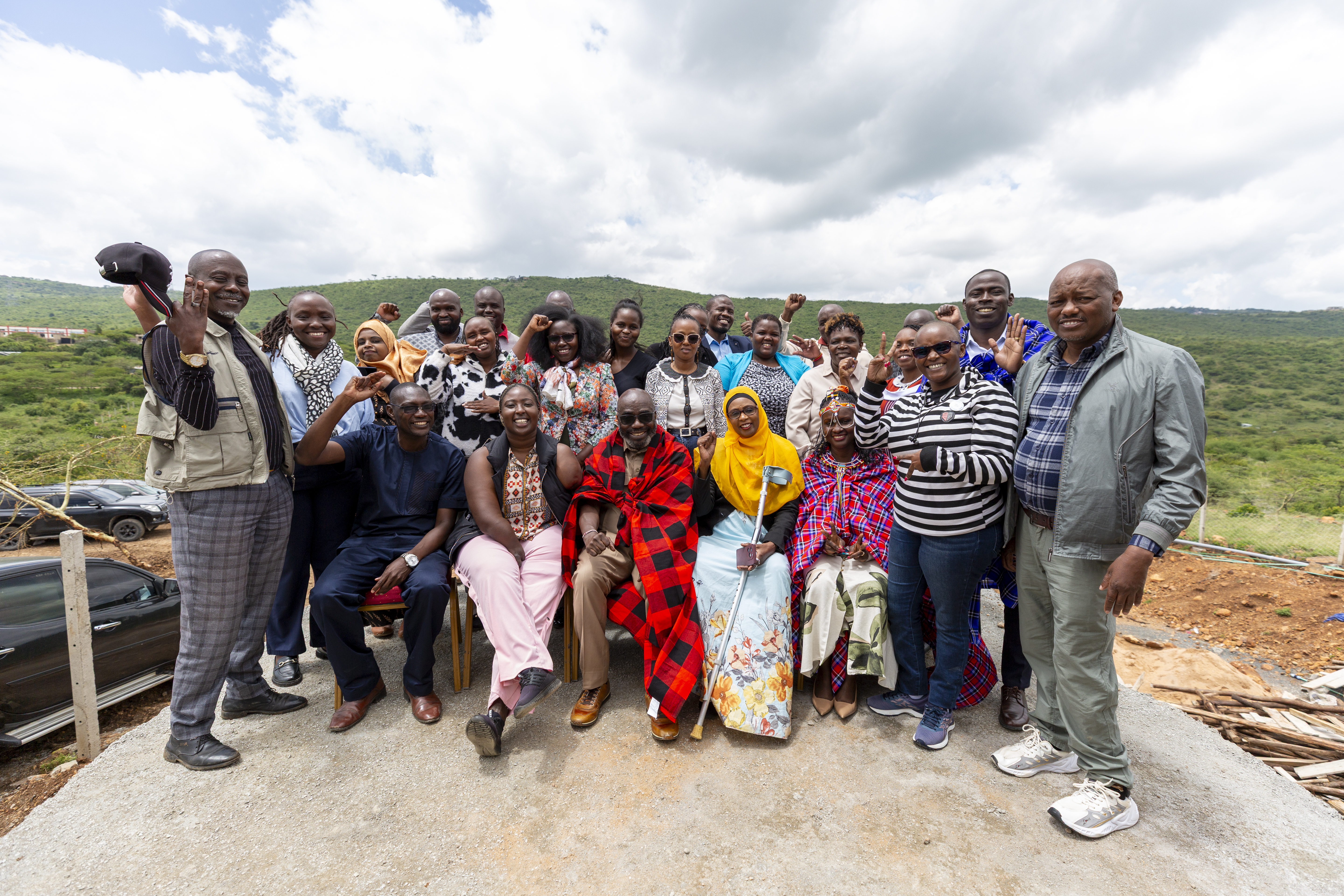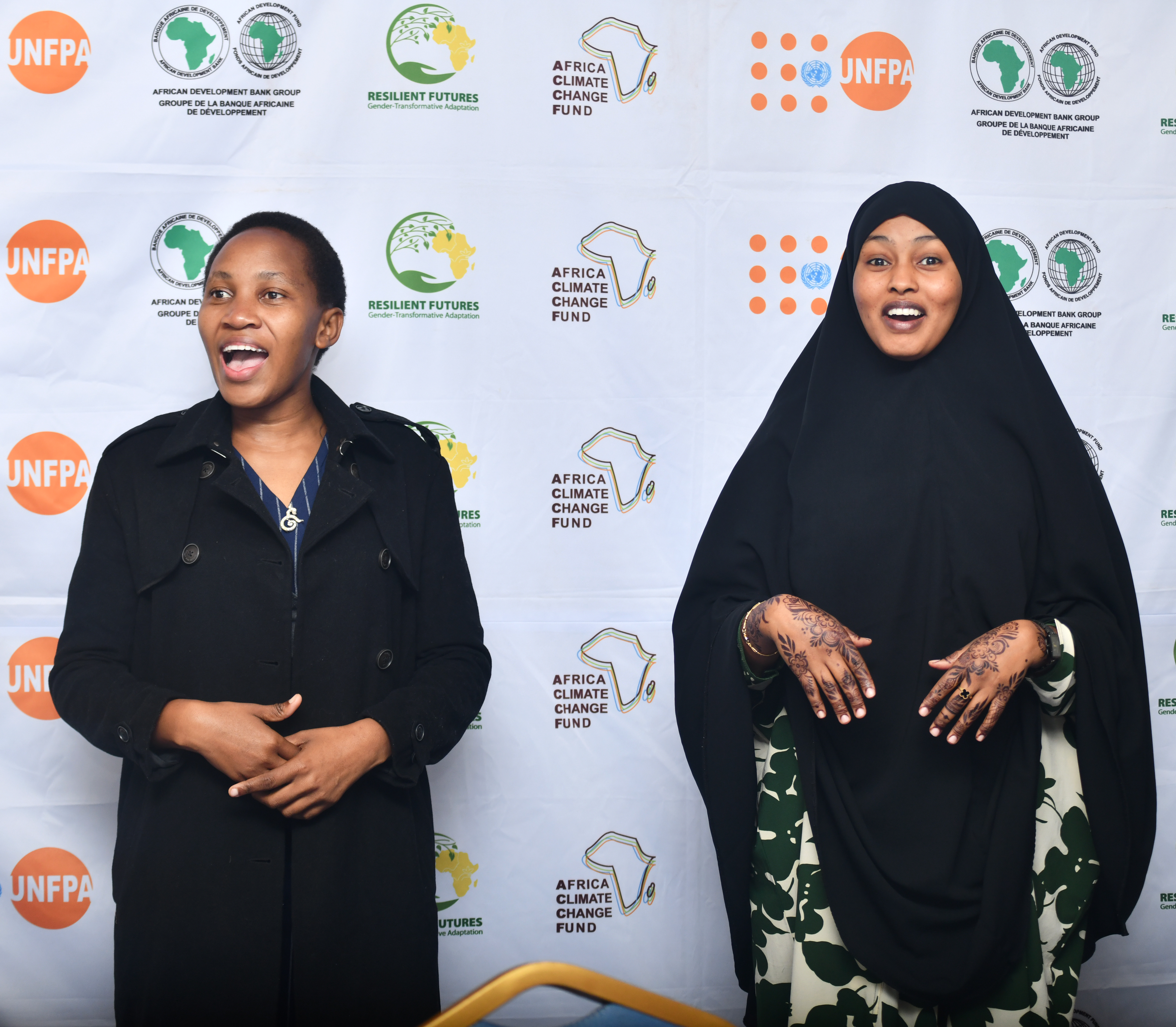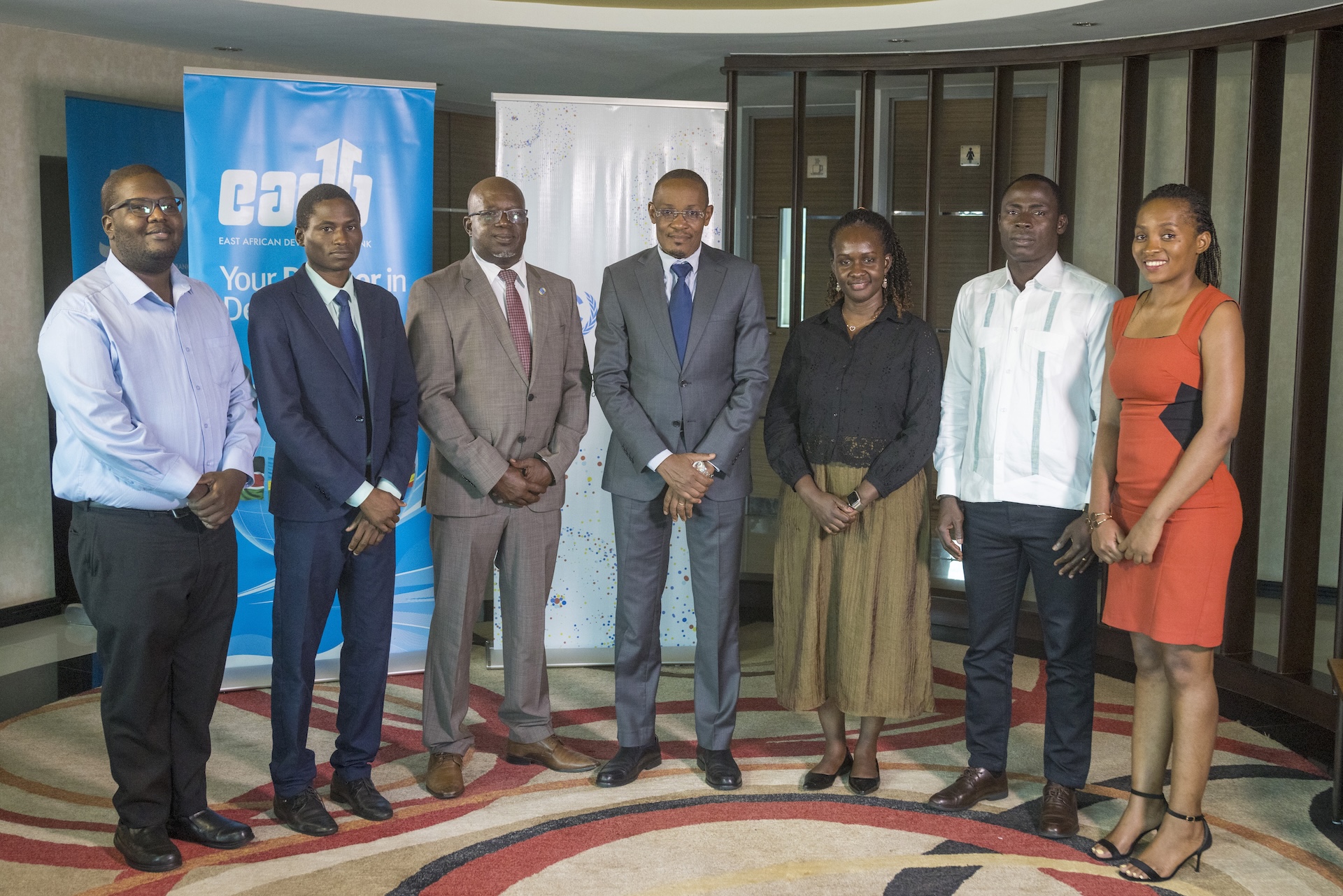

Multinational - Strengthening climate resilience through enhanced capacity of individuals, communities and institutions for the development and implementation of gender-sensitive climate adaptation actions using innovative and participatory approaches
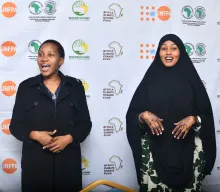
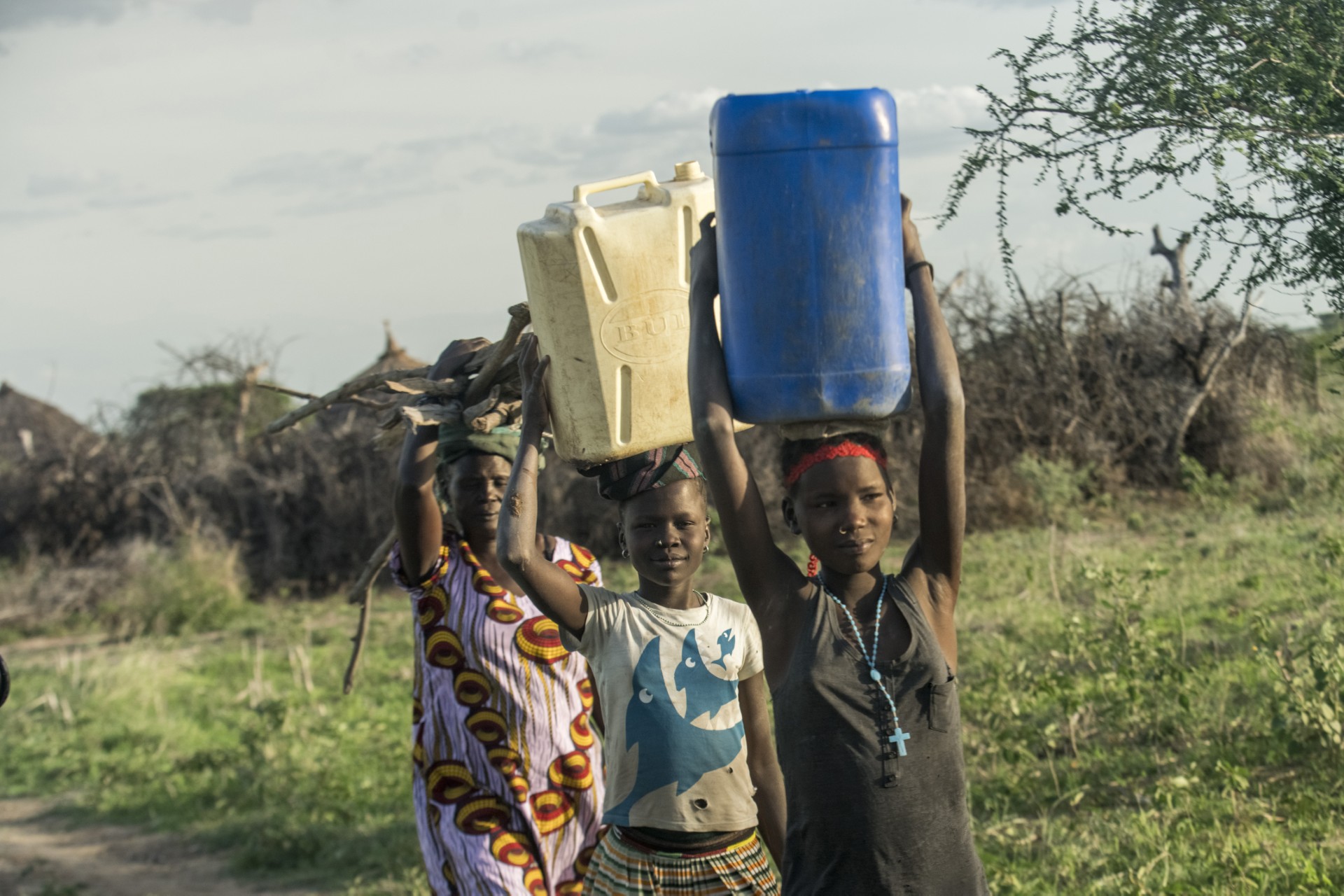
Climate change worsens existing health issues for women, adolescent girls, and young people, including limited access to clean water, sanitation, food, healthcare, and education. It directly impacts sexual and reproductive health and rights (SRHR), gender equality, and sustainable development, as outlined in the ICPD Programme of Action. Failure to uphold SRHR hinders women and girls' involvement in climate action and policy, limiting their education, livelihoods, and decision-making.
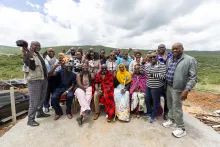

Multinational - Strengthening the Voices of Women with Disability to Actively Participate in Climate Change Policy and Negotiations

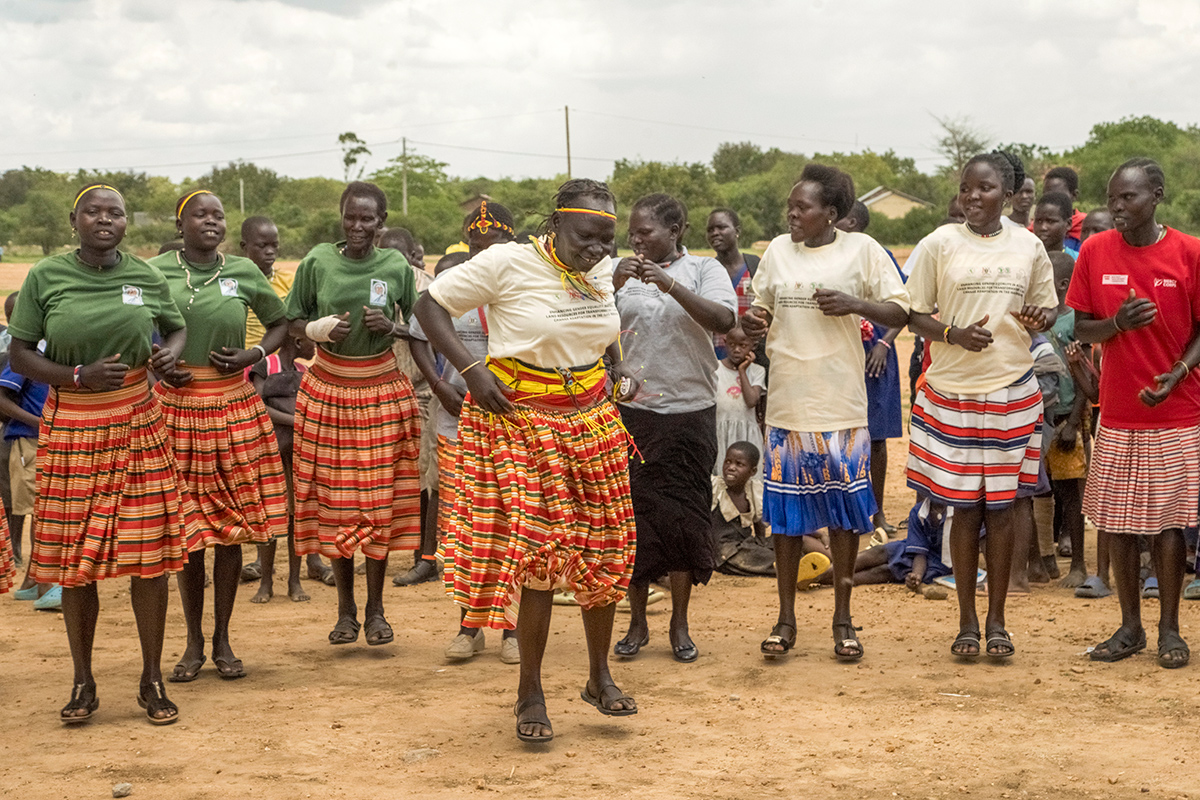
Studies have shown that attitudes and structural barriers due to different impairments make WWD more vulnerable to climate change, violence, and discrimination (Astbury and Walki, 2013). This is due to the myriad challenges faced by WWD such as lack of access to education, myths and cultural practices, high poverty levels, lack of power and finances, and poor access to information, among others, that are discriminatory and harmful to WWD.

Multinational - Capacity Building for Women Climate Change Negotiators in Eastern and Southern Africa

Eastern and Southern Africa is one of the most vulnerable regions in the world to the impacts of climate change, with two of the most affected countries and four out of the ten most affected countries globally in 2019. The extent of exposure and adaptive capacity varies both within and across communities, depending heavily on intersections of socio-economic status, socio-cultural norms, and access to resources.

Eswatini – Advancing Low-Carbon, Climate-Resilient Development

The Kingdom of Eswatini, a small landlocked country in Southern Africa, is highly vulnerable to the impacts of climate change, including droughts, erratic rainfall, and rising temperatures. The project aims to strengthen the country’s readiness for investment in a low-carbon and climate-resilient development pathway by supporting the Ministry of Tourism and Environmental Affairs to assess and prioritize adaptation and mitigation actions, and to develop project proposals for submission to climate finance sources such as the Green Climate Fund (GCF).