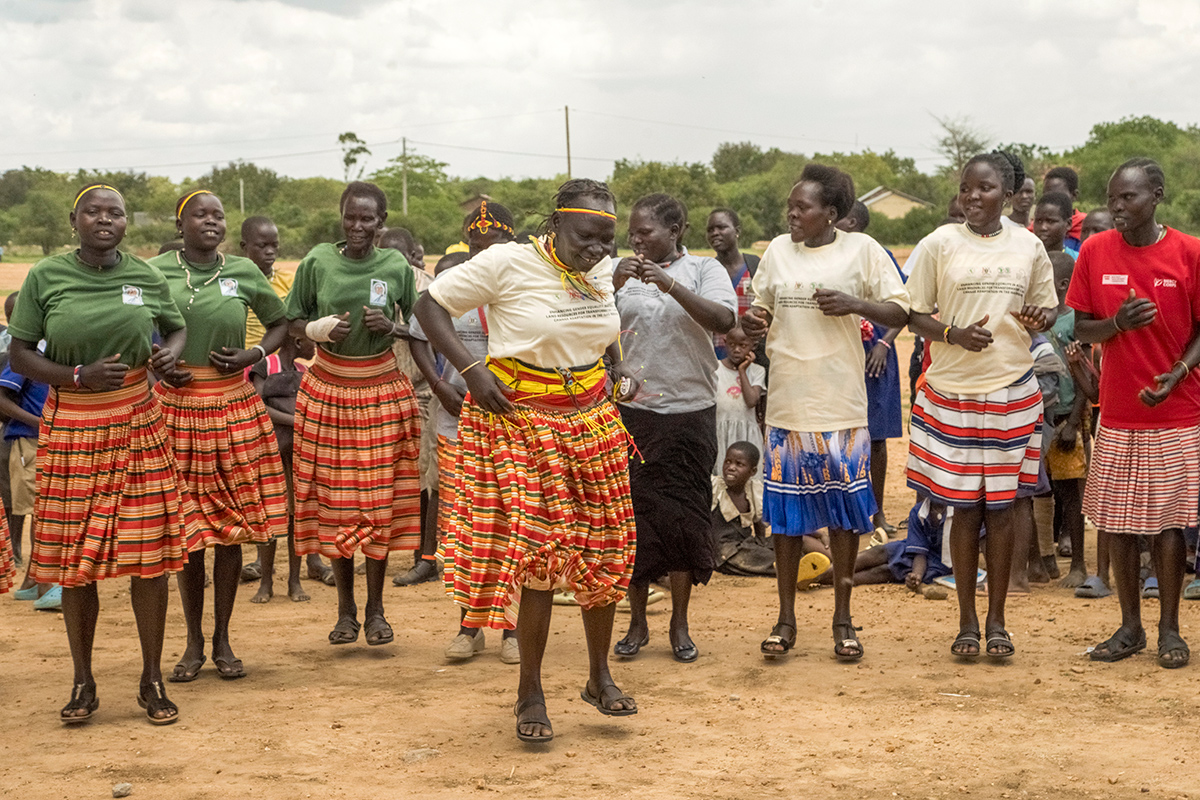

Multinational - Technical Assistance for increased Climate Finance Access
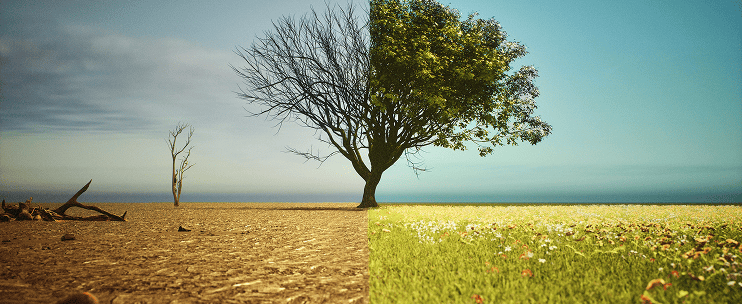
Climate change is caused primarily by human activities such as the burning of fossil fuels, deforestation, and industrial processes, which have led to a significant increase in the concentration of greenhouse gases in the atmosphere, resulting in global warming. The consequences of climate change are numerous and far-reaching, including rising temperatures, sea-level rise, increased frequency, and intensity of extreme weather events such as floods, droughts, and heatwaves, and loss of biodiversity.
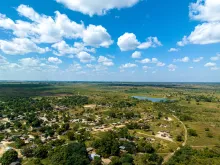
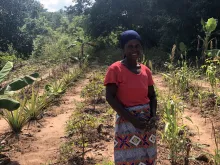
Malawi/Mozambique - Gender Transformative climate resilience initiatives

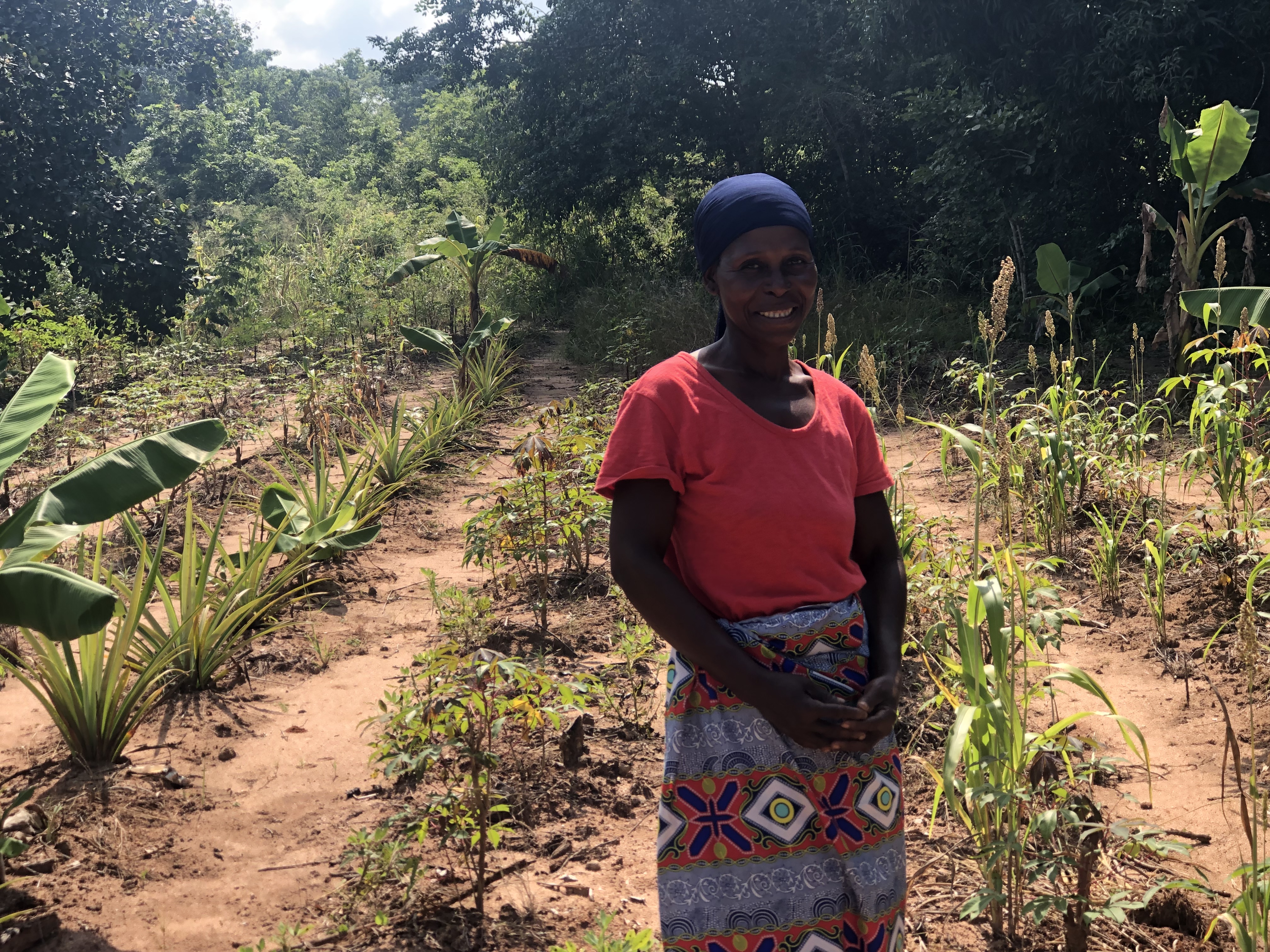
This project focuses on addressing gender inequalities within the climate resilience sector in Malawi and Mozambique. The strategic change areas are structural and systemic changes in women’s leadership in climate resilience, and enhancing women and youth economic viability. It is a two-year project that builds on an ongoing initiative titled “Building Urban Climate Resilience in South-Eastern Africa.”

Mozambique - Synthropic Agriculture as a Strategy to Foster Resilience, Climate Adaptation, and Recovery of Vulnerable Communities Living in Degraded Marine and Coastal Ecosystems in Zambezia

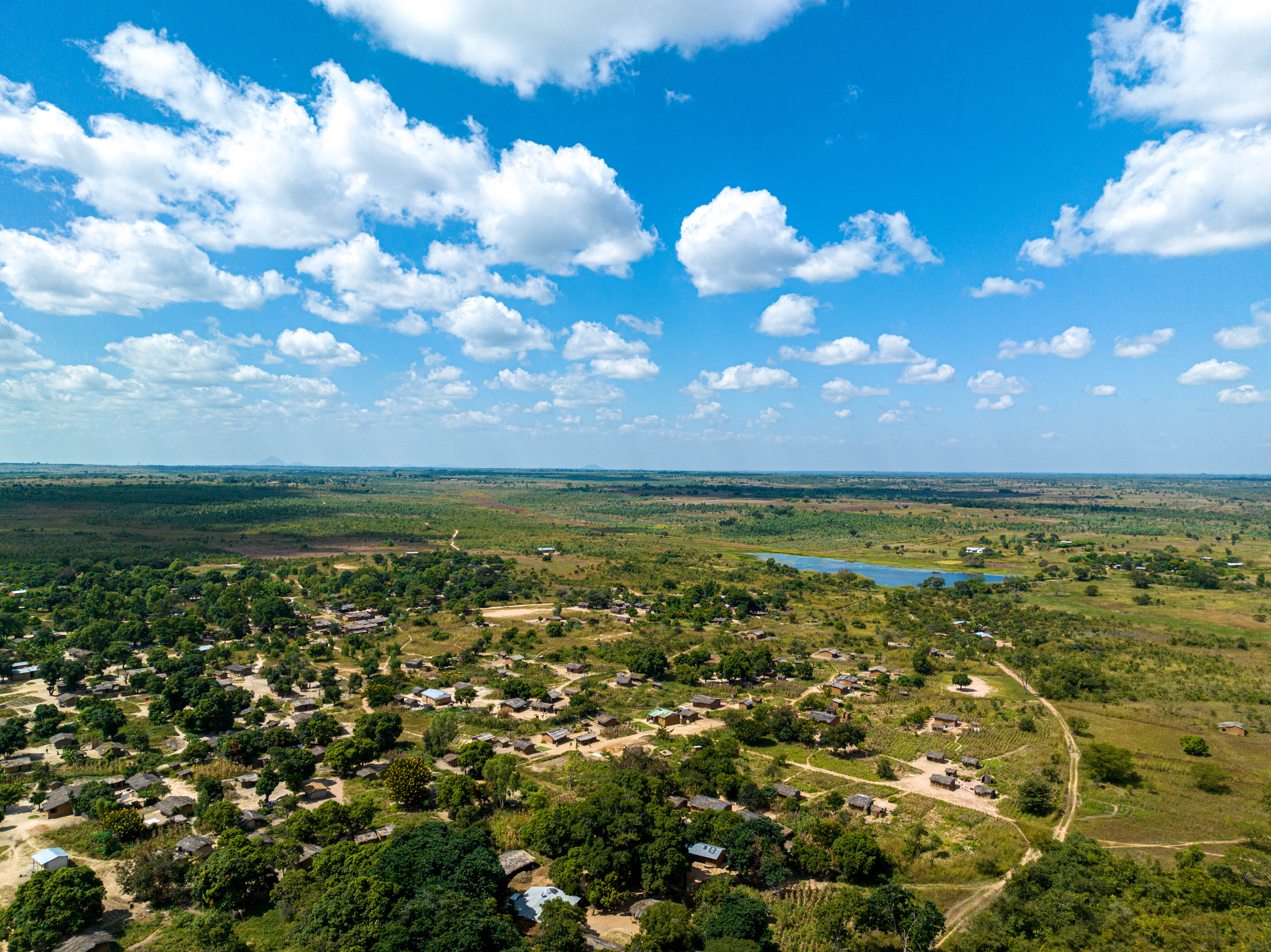
The densely populated coastal lowlands are being increasingly affected by severe erosion, saltwater intrusion, loss of vital infrastructure, and the spread of diseases such as malaria and cholera. Changing rainfall patterns are leading to a decrease in soil water recharge, impacting groundwater resources and the water table in wells. Mozambique ranks 142 out of 178 countries in the ND-GAIN Index (2013), which is worse than in 2010 (rank 137).

Multinational - Enhancing Access to Climate Information in Africa

The project developed up-to-date information on climate change vulnerabilities, greenhouse gas emissions, and opportunities for adaptation and mitigation in 25 African countries, tailored to the specific needs of each country. It also provided training for staff in economic and planning departments to strengthen their capacity to understand and apply climate data. This support has enhanced the ability of African countries to strategically plan long-term climate interventions and to access international climate finance.

Multinational - Capacity Building for Women Climate Change Negotiators in Eastern and Southern Africa

Eastern and Southern Africa is one of the most vulnerable regions in the world to the impacts of climate change, with two of the most affected countries and four out of the ten most affected countries globally in 2019. The extent of exposure and adaptive capacity varies both within and across communities, depending heavily on intersections of socio-economic status, socio-cultural norms, and access to resources.