


Multinational - Enhancing Access to Climate Information in Africa
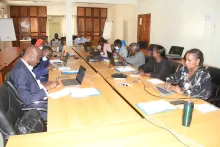
The project developed up-to-date information on climate change vulnerabilities, greenhouse gas emissions, and opportunities for adaptation and mitigation in 25 African countries, tailored to the specific needs of each country. It also provided training for staff in economic and planning departments to strengthen their capacity to understand and apply climate data. This support has enhanced the ability of African countries to strategically plan long-term climate interventions and to access international climate finance.
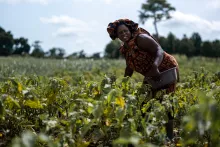
Multinational - Building Climate Resilience into Transboundary Infrastructure Projects

The project provided knowledge, capacity, and partnerships to support the climate-proofing of African infrastructure projects, focusing on two transboundary cases: the Togo and Benin section of the Abidjan–Lagos Coastal Corridor road project, and the Batoka Gorge Hydropower Project between Zambia and Zimbabwe. It also developed concept notes for submission to the Green Climate Fund (GCF).

Côte d'Ivoire - Preparation for Access to Climate Finance for a Transition Toward a Green and Climate-Resilient Economy

The ACCF supported the Government of Côte d’Ivoire to enhance the country’s capacity to mobilize and access climate finance, enabling a stronger response to the negative impacts of climate change and supporting the transition toward a low carbon and climate resilient economy.

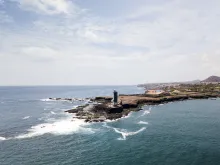
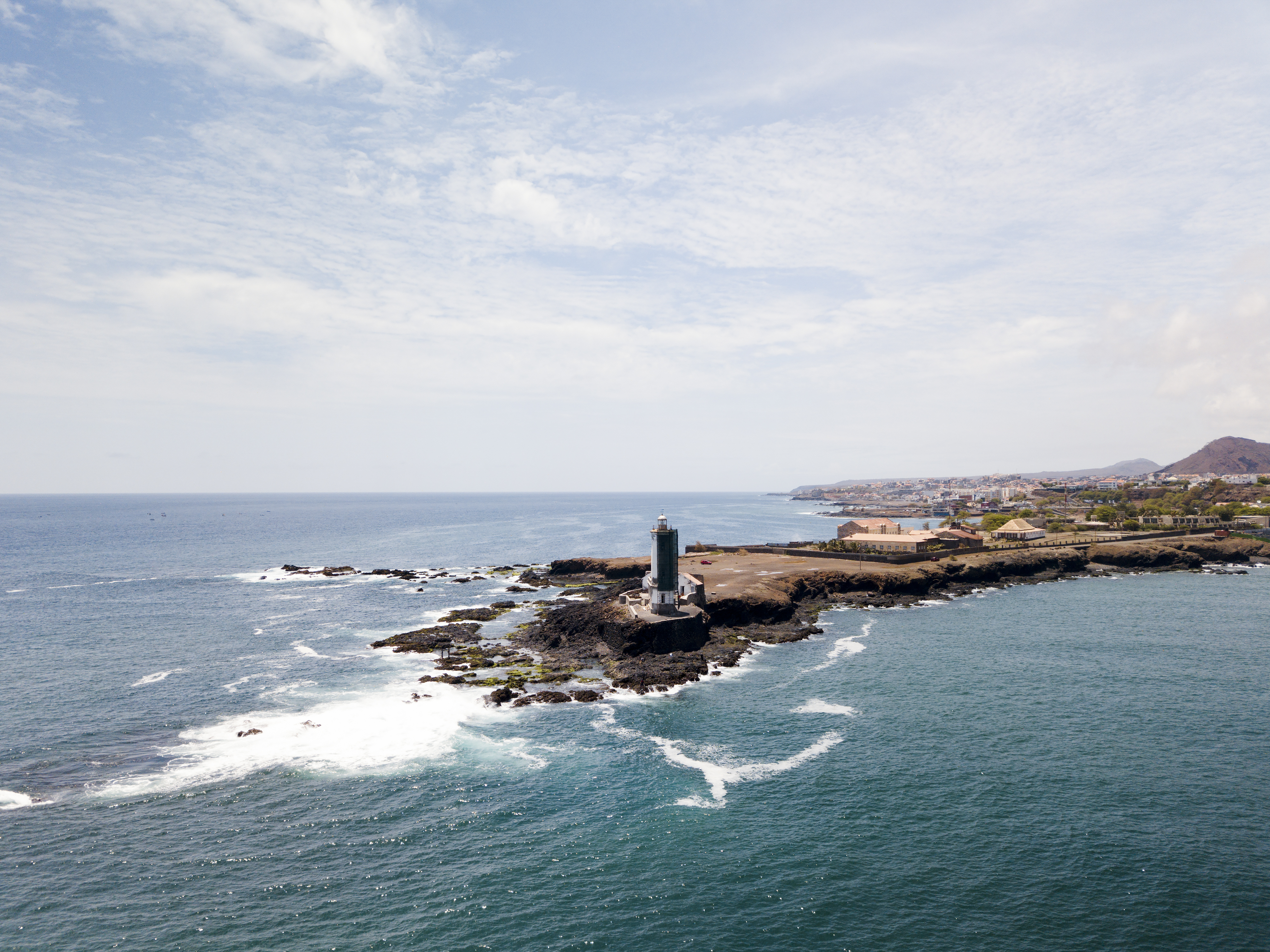
Cabo Verde - Strategic Tools to Support Mitigation Activities in Key Sectors

Cabo Verde is highly vulnerable to the effects of climate change as a small island country and a dry Sahelian country. Along with scarce natural resources, climate variability in the country is likely to be increased leading to more storms, floods and droughts and a shorter rainy season. Faced with such complexity and pressures, and at a time of continued economic development, Cabo Verde may see these gains reversed by the onset of climate change impacts.

Eswatini – Advancing Low-Carbon, Climate-Resilient Development

The Kingdom of Eswatini, a small landlocked country in Southern Africa, is highly vulnerable to the impacts of climate change, including droughts, erratic rainfall, and rising temperatures. The project aims to strengthen the country’s readiness for investment in a low-carbon and climate-resilient development pathway by supporting the Ministry of Tourism and Environmental Affairs to assess and prioritize adaptation and mitigation actions, and to develop project proposals for submission to climate finance sources such as the Green Climate Fund (GCF).

Senegal - Removing Barriers to Climate Finance Access by Local Municipalities

Climate change is a pressing reality affecting communities across the globe, particularly in Africa. The continent faces growing challenges from extreme weather events and rising sea levels that threaten coastal populations.

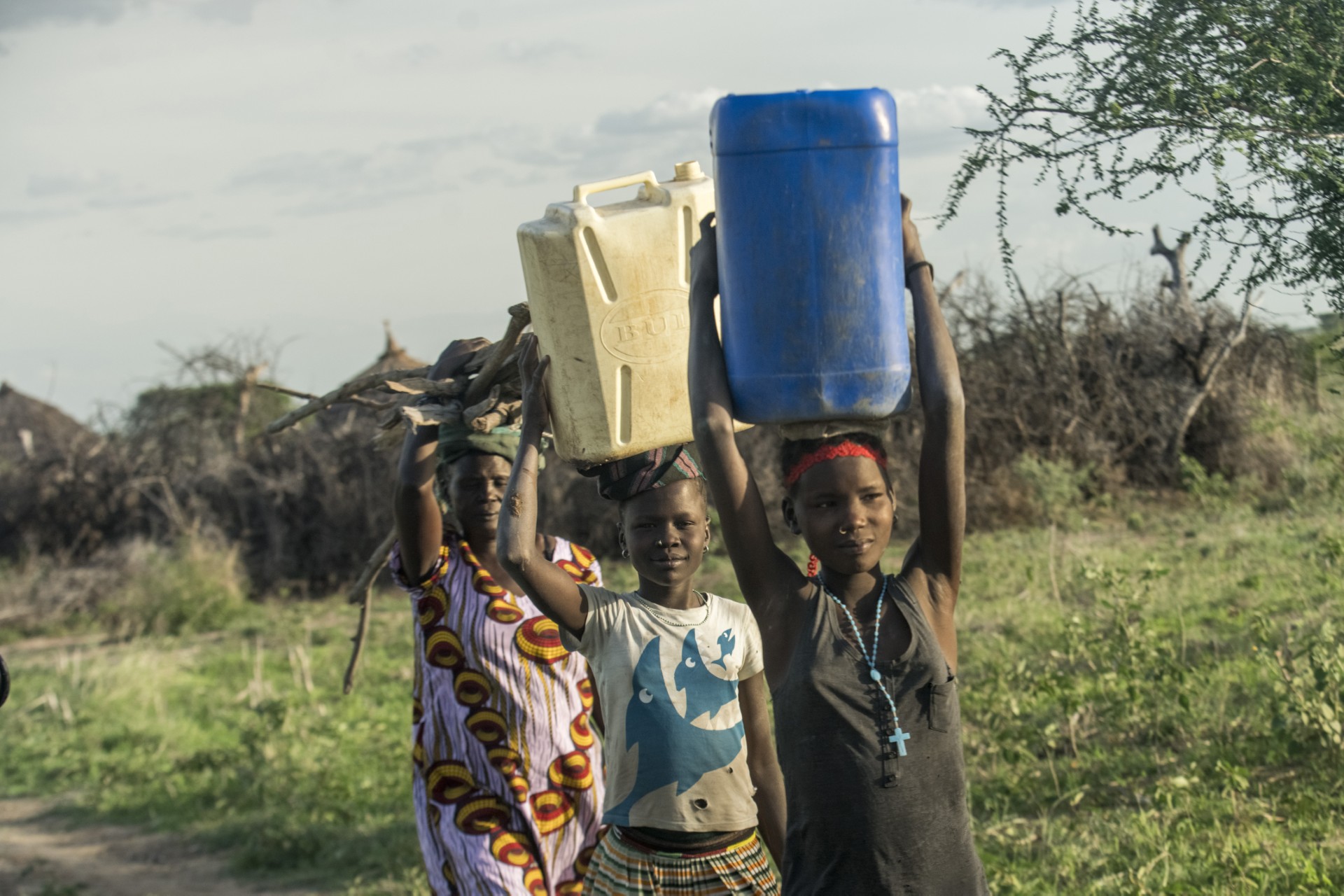
In Africa, where nearly 70 percent of people rely on rainfed agriculture, poverty and limited adaptive capacity heighten vulnerability. Yet, climate finance flows to the continent remain low and are often directed to small-scale projects rather than large, transformative programs.

Kenya - Supporting the Implementation of the National Green Economy Strategy through the Development of Low-Carbon Projects and Resource Mobilization

The project supports the Kenyan National Environment Trust Fund (NETFUND) to develop project proposals in the forestry, green growth, and agroforestry sectors that will advance the country’s transition toward a green economy. It will further enhance the capacity of key stakeholders in project development and climate finance mobilization.