About

The Africa Climate Change Fund

is a multi-donor trust fund established in 2014 and hosted by the African Development Bank. The fund helps African countries access climate finance by providing small grants for capacity building, direct project support, and enabling policy environments, empowering Africa’s transition to climate-resilient, low-carbon development.

Learn more

All Objectives

The ACCF complements the African Development Bank’s target to triple climate finance to African countries.

Building capacity of African stakeholders on climate change and scale up access to climate finance
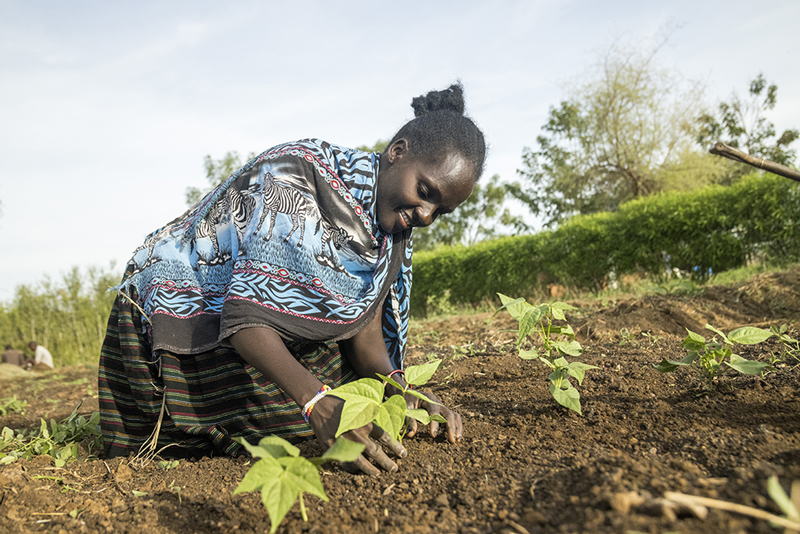

Supporting RMCs to integrate climate change and green growth into national strategies and policies (NDCs Revisions, Long term Strategies)
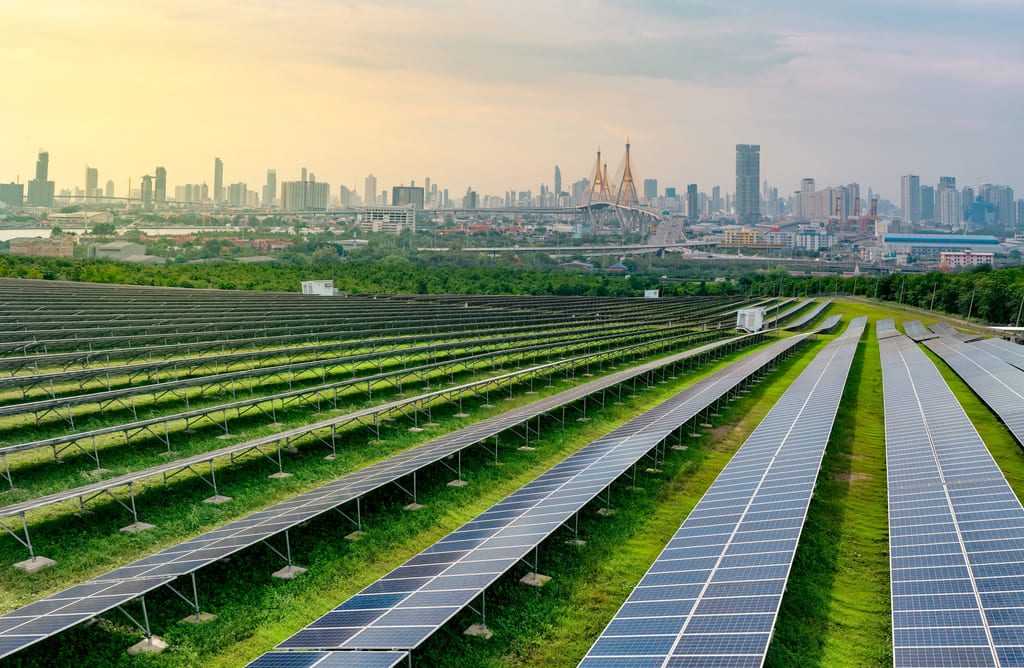

Co-financing projects and programs to advance climate resilient and low carbon development
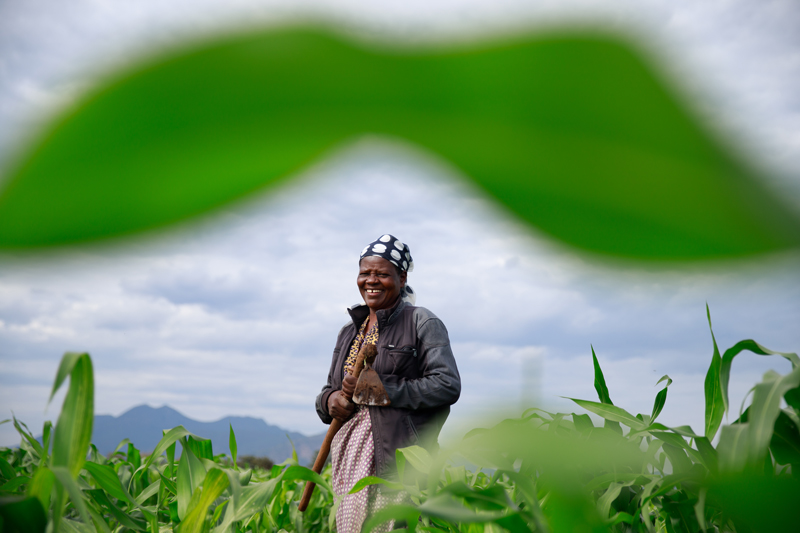
Contributing to the implementation of the Bank’s Climate Change & Green Growth Strategic Framework

Latest Projects
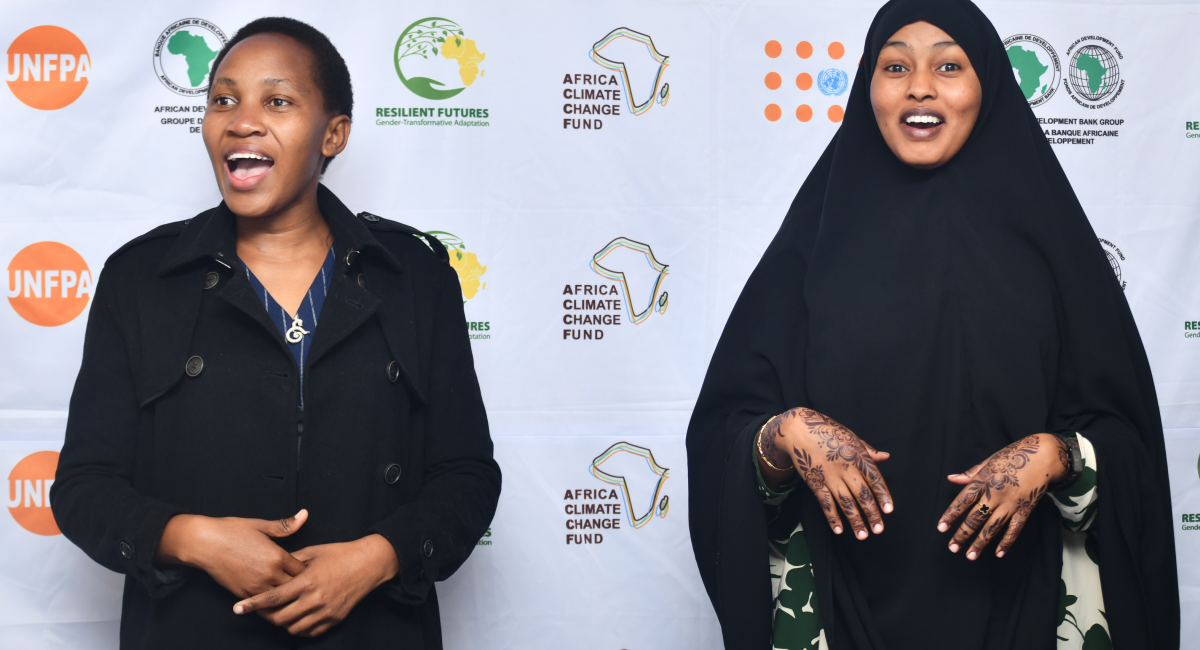
Multinational - The NDC support Hub: Supporting NDC Implementation in Africa

The African Development Bank, through the Africa NDC Hub, supports the implementation of Africa’s NDCs. The Bank established the Africa NDC Hub in November 2017 in response to…
Multinational - Establishment of a South-South Cooperation Programme to Support Direct Access to Climate Finance

Sub-Saharan Africa contributes less than 4% to global greenhouse gas emissions but remains the most vulnerable region to climate change impacts…

Publications
Since its inception in 2014, the ACCF has established itself as a climate financing mechanism that supports preparatory activities and small-scale adaptation projects across the African continent
Since its inception in 2014, the ACCF has established itself as a climate financing mechanism that supports preparatory activities and small-scale adaptation projects across the African continent

In 2022, the Bank and the donors amended the scope of the Fund, and extended the duration to 2027, to ensure it remains responsive to the increasing needs of the continent

In 2022, the Bank and the donors amended the scope of the Fund, and extended the duration to 2027, to ensure it remains responsive to the increasing needs of the continent

[Annual Report - 2021] In 2021, the ACCF did not mobilize new resources. However, it continued with ongoing activities at the fund management and projects portfolio levels

In 2021, the ACCF did not mobilize new resources. However, it continued with ongoing activities at the fund management and projects portfolio levels

[Annual Report - 2020] In 2020, the Fund mobilized about $9.274 million from the Government of Flanders (€2.256 m) and from two new donors, Global Affairs Canada (CAD 7 m) and the Government of Quebec (CAD 2 m)
In 2020, the Fund mobilized about $9.274 million from the Government of Flanders (€2.256 m) and from two new donors, Global Affairs Canada (CAD 7 m) and the Government of Quebec (CAD 2 m)

ACCF Brochure 2025 - English

ACCF Brochure 2025

[2023] - The Africa Climate Change Fund Supporting African Countries Transition to Climate Resilient Low-Carbon Development Pathways

[2023] - The Africa Climate Change Fund Supporting African Countries Transition to Climate Resilient Low-Carbon Development Pathways

[2022] - The Africa Climate Change Fund is supporting African Countries Transition towards Climate Resilient Low-Carbon Development Pathways

[2023] - Appui aux pays africains dans leur transition vers un développement résilient face au climat et à faible émission de carbone

News

Algeria
Angola
Benin
Botswana
Burkina Faso
Burundi
Cabo-Verde
Cameroon
Comoros
Côte d'Ivoire
Democratic Republic of Congo
Djibouti
Egypt
Equatorial Guinea
Eritrea
Eswatini
Ethiopia
Gabon
Ghana
Guinea
Kenya
Lesotho
Liberia
Madagascar
Malawi
Mali
Mauritania
Mauritius
Morocco
Mozambique
Multinational
Namibia
Niger
Nigeria
Rwanda
Sao Tome and Principe
Senegal
Seychelles
Sierra Leone
Somalia
South Africa
South Sudan
Sudan
Tanzania
Togo
Uganda
Zambia
Zimbabwe

Where We Work

Cameroon, Namibia, Sao Tome and Principe, Uganda, Zambia
The African Development Bank, through the Africa NDC Hub, supports the implementation of Africa’s NDCs. The Bank established the Africa NDC Hub in November 2017 in response to a…
Botswana, Eswatini, Kenya, Lesotho, Malawi, Namibia, South Africa, Uganda, Zambia, Zimbabwe
Studies have shown that attitudes and structural barriers due to different impairments make WWD more vulnerable to climate change, violence, and discrimination (Astbury and Walki…
Botswana, Eswatini, Kenya, Lesotho, Malawi, Namibia, South Africa, Uganda, Zambia, Zimbabwe
Studies have shown that attitudes and structural barriers due to different impairments make WWD more vulnerable to climate change, violence, and discrimination (Astbury and Walki…
Botswana, Eswatini, Kenya, Lesotho, Malawi, Namibia, South Africa, Uganda, Zambia, Zimbabwe
Climate change worsens existing health issues for women, adolescent girls, and young people, including limited access to clean water, sanitation, food, healthcare, and education.…
Democratic Republic of Congo, Egypt, Kenya, Gabon, Mali, Nigeria, Seychelles, South Africa
Africa faces the combined challenges of high youth unemployment and increasing climate vulnerability. The continent’s youth population is projected to exceed 830 million by 2050,…
Kenya, Uganda
Financial Service Providers (FSPs) often lack tailored financial products that meet the needs of Sustainable Energy Value Chain (SEVC) actors, whether along the supply chain or…
Benin, Lesotho
The overall objective of the project is to improve the climate resilience of communities and local economies by increasing investments in climate change adaptation in target areas…
Malawi, Mozambique
This project focuses on addressing gender inequalities within the climate resilience sector in Malawi and Mozambique. The strategic change areas are structural and systemic…
Botswana, Eswatini, Kenya, Lesotho, Malawi, Namibia, South Africa, Uganda, Zambia, Zimbabwe
Studies have shown that attitudes and structural barriers due to different impairments make WWD more vulnerable to climate change, violence, and discrimination (Astbury and Walki…
Burkina Faso, Togo
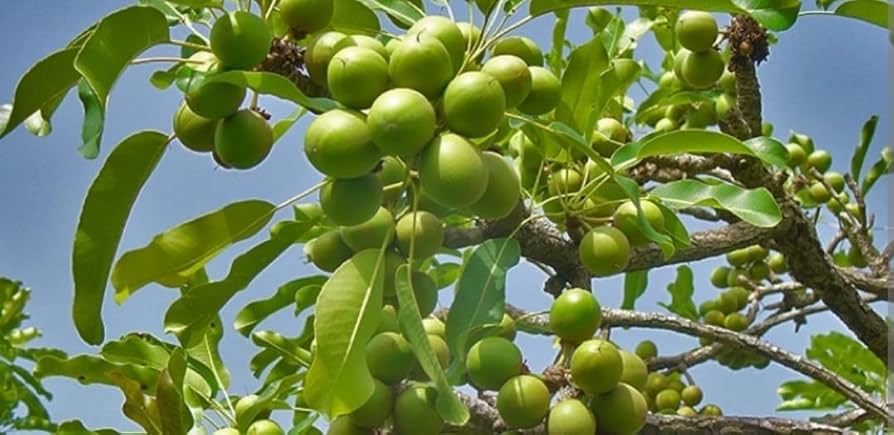
Shea trees grow naturally on 28 million hectares in traditional farming systems in Burkina Faso and Togo. The trees are integrated with crops on smallholder farms, creating an…
Botswana, Eswatini, Kenya, Lesotho, Malawi, Namibia, South Africa, Uganda, Zambia, Zimbabwe
Climate change worsens existing health issues for women, adolescent girls, and young people, including limited access to clean water, sanitation, food, healthcare, and education.…
Democratic Republic of Congo, Egypt, Kenya, Gabon, Mali, Nigeria, Seychelles, South Africa
Africa faces the combined challenges of high youth unemployment and increasing climate vulnerability. The continent’s youth population is projected to exceed 830 million by 2050,…
Cameroon, Namibia, Sao Tome and Principe, Uganda, Zambia
The African Development Bank, through the Africa NDC Hub, supports the implementation of Africa’s NDCs. The Bank established the Africa NDC Hub in November 2017 in response to a…
Burundi, Niger, Togo
Sub-Saharan Africa contributes less than 4% to global greenhouse gas emissions but remains the most vulnerable region to climate change impacts. Its economies, heavily dependent…
Djibouti, Kenya, Uganda
Although a small contributor to global greenhouse gas emissions, IGAD remains highly vulnerable to the projected impacts of climate change. Therefore, the pitfalls of climate…
Botswana, Eswatini, Kenya, Lesotho, Malawi, Namibia, South Africa, Uganda, Zambia, Zimbabwe
Studies have shown that attitudes and structural barriers due to different impairments make WWD more vulnerable to climate change, violence, and discrimination (Astbury and Walki…
Botswana, Eswatini, Kenya, Lesotho, Malawi, Namibia, South Africa, Uganda, Zambia, Zimbabwe
Climate change worsens existing health issues for women, adolescent girls, and young people, including limited access to clean water, sanitation, food, healthcare, and education.…
Botswana, Eswatini, Kenya, Lesotho, Malawi, Namibia, South Africa, Uganda, Zambia, Zimbabwe
Climate change worsens existing health issues for women, adolescent girls, and young people, including limited access to clean water, sanitation, food, healthcare, and education.…
Democratic Republic of Congo, Egypt, Kenya, Gabon, Mali, Nigeria, Seychelles, South Africa
Africa faces the combined challenges of high youth unemployment and increasing climate vulnerability. The continent’s youth population is projected to exceed 830 million by 2050,…
Cameroon, Namibia, Sao Tome and Principe, Uganda, Zambia
The African Development Bank, through the Africa NDC Hub, supports the implementation of Africa’s NDCs. The Bank established the Africa NDC Hub in November 2017 in response to a…
Ethiopia
Ethiopia is one of the countries most vulnerable to climate change impacts. The country’s economy is heavily dependent on rain-fed agriculture. The contribution of the agriculture…
Botswana, Eswatini, Kenya, Lesotho, Malawi, Namibia, South Africa, Uganda, Zambia, Zimbabwe
Studies have shown that attitudes and structural barriers due to different impairments make WWD more vulnerable to climate change, violence, and discrimination (Astbury and Walki…
Somalia, Sudan
Projections indicate Somalia faces a nearly 2°C increase in maximum daily temperatures, threatening crop productivity thresholds and livestock welfare even further. To cope with…
Botswana, Eswatini, Kenya, Lesotho, Malawi, Namibia, South Africa, Uganda, Zambia, Zimbabwe
Climate change worsens existing health issues for women, adolescent girls, and young people, including limited access to clean water, sanitation, food, healthcare, and education.…
Democratic Republic of Congo, Egypt, Kenya, Gabon, Mali, Nigeria, Seychelles, South Africa
Africa faces the combined challenges of high youth unemployment and increasing climate vulnerability. The continent’s youth population is projected to exceed 830 million by 2050,…
Mozambique
The densely populated coastal lowlands are being increasingly affected by severe erosion, saltwater intrusion, loss of vital infrastructure, and the spread of diseases such as…
Benin, Lesotho
The overall objective of the project is to improve the climate resilience of communities and local economies by increasing investments in climate change adaptation in target areas…
Djibouti, Kenya, Uganda
Although a small contributor to global greenhouse gas emissions, IGAD remains highly vulnerable to the projected impacts of climate change. Therefore, the pitfalls of climate…
Botswana, Eswatini, Kenya, Lesotho, Malawi, Namibia, South Africa, Uganda, Zambia, Zimbabwe
Studies have shown that attitudes and structural barriers due to different impairments make WWD more vulnerable to climate change, violence, and discrimination (Astbury and Walki…
Burkina Faso, Togo
Shea trees grow naturally on 28 million hectares in traditional farming systems in Burkina Faso and Togo. The trees are integrated with crops on smallholder farms, creating an…
Botswana, Eswatini, Kenya, Lesotho, Malawi, Namibia, South Africa, Uganda, Zambia, Zimbabwe
Climate change worsens existing health issues for women, adolescent girls, and young people, including limited access to clean water, sanitation, food, healthcare, and education.…
Democratic Republic of Congo, Egypt, Kenya, Gabon, Mali, Nigeria, Seychelles, South Africa
Africa faces the combined challenges of high youth unemployment and increasing climate vulnerability. The continent’s youth population is projected to exceed 830 million by 2050,…
Cameroon, Namibia, Sao Tome and Principe, Uganda, Zambia
The African Development Bank, through the Africa NDC Hub, supports the implementation of Africa’s NDCs. The Bank established the Africa NDC Hub in November 2017 in response to a…
Burundi, Niger, Togo
Sub-Saharan Africa contributes less than 4% to global greenhouse gas emissions but remains the most vulnerable region to climate change impacts. Its economies, heavily dependent…
Botswana, Eswatini, Kenya, Lesotho, Malawi, Namibia, South Africa, Uganda, Zambia, Zimbabwe
Studies have shown that attitudes and structural barriers due to different impairments make WWD more vulnerable to climate change, violence, and discrimination (Astbury and Walki…
Botswana, Eswatini, Kenya, Lesotho, Malawi, Namibia, South Africa, Uganda, Zambia, Zimbabwe
Studies have shown that attitudes and structural barriers due to different impairments make WWD more vulnerable to climate change, violence, and discrimination (Astbury and Walki…
Botswana, Eswatini, Kenya, Lesotho, Malawi, Namibia, South Africa, Uganda, Zambia, Zimbabwe
Climate change worsens existing health issues for women, adolescent girls, and young people, including limited access to clean water, sanitation, food, healthcare, and education.…
Democratic Republic of Congo, Egypt, Kenya, Gabon, Mali, Nigeria, Seychelles, South Africa
Africa faces the combined challenges of high youth unemployment and increasing climate vulnerability. The continent’s youth population is projected to exceed 830 million by 2050,…
Kenya, Uganda
Financial Service Providers (FSPs) often lack tailored financial products that meet the needs of Sustainable Energy Value Chain (SEVC) actors, whether along the supply chain or…
Rwanda
Climate change in Rwanda is a threat not only to agricultural productivity, but it also alters the functions of ecological systems, resulting in modifications to ecosystem…
Malawi, Mozambique
This project focuses on addressing gender inequalities within the climate resilience sector in Malawi and Mozambique. The strategic change areas are structural and systemic…
Botswana, Eswatini, Kenya, Lesotho, Malawi, Namibia, South Africa, Uganda, Zambia, Zimbabwe
Studies have shown that attitudes and structural barriers due to different impairments make WWD more vulnerable to climate change, violence, and discrimination (Astbury and Walki…
Somalia, Sudan
Projections indicate Somalia faces a nearly 2°C increase in maximum daily temperatures, threatening crop productivity thresholds and livestock welfare even further. To cope with…
Botswana, Eswatini, Kenya, Lesotho, Malawi, Namibia, South Africa, Uganda, Zambia, Zimbabwe
Climate change worsens existing health issues for women, adolescent girls, and young people, including limited access to clean water, sanitation, food, healthcare, and education.…
Democratic Republic of Congo, Egypt, Kenya, Gabon, Mali, Nigeria, Seychelles, South Africa
Africa faces the combined challenges of high youth unemployment and increasing climate vulnerability. The continent’s youth population is projected to exceed 830 million by 2050,…
Cameroon, Namibia, Sao Tome and Principe, Uganda, Zambia
The African Development Bank, through the Africa NDC Hub, supports the implementation of Africa’s NDCs. The Bank established the Africa NDC Hub in November 2017 in response to a…
Burundi, Niger, Togo
Sub-Saharan Africa contributes less than 4% to global greenhouse gas emissions but remains the most vulnerable region to climate change impacts. Its economies, heavily dependent…
Djibouti, Kenya, Uganda
Although a small contributor to global greenhouse gas emissions, IGAD remains highly vulnerable to the projected impacts of climate change. Therefore, the pitfalls of climate…
Botswana, Eswatini, Kenya, Lesotho, Malawi, Namibia, South Africa, Uganda, Zambia, Zimbabwe
Studies have shown that attitudes and structural barriers due to different impairments make WWD more vulnerable to climate change, violence, and discrimination (Astbury and Walki…
Botswana, Eswatini, Kenya, Lesotho, Malawi, Namibia, South Africa, Uganda, Zambia, Zimbabwe
Climate change worsens existing health issues for women, adolescent girls, and young people, including limited access to clean water, sanitation, food, healthcare, and education.…
Botswana, Eswatini, Kenya, Lesotho, Malawi, Namibia, South Africa, Uganda, Zambia, Zimbabwe
Climate change worsens existing health issues for women, adolescent girls, and young people, including limited access to clean water, sanitation, food, healthcare, and education.…
Democratic Republic of Congo, Egypt, Kenya, Gabon, Mali, Nigeria, Seychelles, South Africa
Africa faces the combined challenges of high youth unemployment and increasing climate vulnerability. The continent’s youth population is projected to exceed 830 million by 2050,…
Benin, Togo, Zambia, Zimbabwe
The project provided knowledge, capacity, and partnerships to support the climate-proofing of African infrastructure projects, focusing on two transboundary cases: the Togo and…
Algeria, Burundi, Côte d'Ivoire, Democratic Republic of Congo, Ethiopia, Ghana, Guinea, Kenya, Gabon, Madagascar, Mali, Mauritania, Morocco, Mozambique, Namibia, Niger, Nigeria, Senegal, South Africa, South Sudan, Sudan, Uganda, Zambia, Zimbabwe
The project developed up-to-date information on climate change vulnerabilities, greenhouse gas emissions, and opportunities for adaptation and mitigation in 25 African countries,…
Algeria, Burundi, Côte d'Ivoire, Democratic Republic of Congo, Ethiopia, Ghana, Guinea, Kenya, Gabon, Madagascar, Mali, Mauritania, Morocco, Mozambique, Namibia, Niger, Nigeria, Senegal, South Africa, South Sudan, Sudan, Uganda, Zambia, Zimbabwe
The project developed up-to-date information on climate change vulnerabilities, greenhouse gas emissions, and opportunities for adaptation and mitigation in 25 African countries,…
Algeria, Burundi, Côte d'Ivoire, Democratic Republic of Congo, Ethiopia, Ghana, Guinea, Kenya, Gabon, Madagascar, Mali, Mauritania, Morocco, Mozambique, Namibia, Niger, Nigeria, Senegal, South Africa, South Sudan, Sudan, Uganda, Zambia, Zimbabwe
The project developed up-to-date information on climate change vulnerabilities, greenhouse gas emissions, and opportunities for adaptation and mitigation in 25 African countries,…
Algeria, Burundi, Côte d'Ivoire, Democratic Republic of Congo, Ethiopia, Ghana, Guinea, Kenya, Gabon, Madagascar, Mali, Mauritania, Morocco, Mozambique, Namibia, Niger, Nigeria, Senegal, South Africa, South Sudan, Sudan, Uganda, Zambia, Zimbabwe
The project developed up-to-date information on climate change vulnerabilities, greenhouse gas emissions, and opportunities for adaptation and mitigation in 25 African countries,…
Algeria, Burundi, Côte d'Ivoire, Democratic Republic of Congo, Ethiopia, Ghana, Guinea, Kenya, Gabon, Madagascar, Mali, Mauritania, Morocco, Mozambique, Namibia, Niger, Nigeria, Senegal, South Africa, South Sudan, Sudan, Uganda, Zambia, Zimbabwe
The project developed up-to-date information on climate change vulnerabilities, greenhouse gas emissions, and opportunities for adaptation and mitigation in 25 African countries,…
Algeria, Burundi, Côte d'Ivoire, Democratic Republic of Congo, Ethiopia, Ghana, Guinea, Kenya, Gabon, Madagascar, Mali, Mauritania, Morocco, Mozambique, Namibia, Niger, Nigeria, Senegal, South Africa, South Sudan, Sudan, Uganda, Zambia, Zimbabwe
The project developed up-to-date information on climate change vulnerabilities, greenhouse gas emissions, and opportunities for adaptation and mitigation in 25 African countries,…
Benin, Togo, Zambia, Zimbabwe
The project provided knowledge, capacity, and partnerships to support the climate-proofing of African infrastructure projects, focusing on two transboundary cases: the Togo and…
Algeria, Burundi, Côte d'Ivoire, Democratic Republic of Congo, Ethiopia, Ghana, Guinea, Kenya, Gabon, Madagascar, Mali, Mauritania, Morocco, Mozambique, Namibia, Niger, Nigeria, Senegal, South Africa, South Sudan, Sudan, Uganda, Zambia, Zimbabwe
The project developed up-to-date information on climate change vulnerabilities, greenhouse gas emissions, and opportunities for adaptation and mitigation in 25 African countries,…
Algeria, Burundi, Côte d'Ivoire, Democratic Republic of Congo, Ethiopia, Ghana, Guinea, Kenya, Gabon, Madagascar, Mali, Mauritania, Morocco, Mozambique, Namibia, Niger, Nigeria, Senegal, South Africa, South Sudan, Sudan, Uganda, Zambia, Zimbabwe
The project developed up-to-date information on climate change vulnerabilities, greenhouse gas emissions, and opportunities for adaptation and mitigation in 25 African countries,…
Algeria, Burundi, Côte d'Ivoire, Democratic Republic of Congo, Ethiopia, Ghana, Guinea, Kenya, Gabon, Madagascar, Mali, Mauritania, Morocco, Mozambique, Namibia, Niger, Nigeria, Senegal, South Africa, South Sudan, Sudan, Uganda, Zambia, Zimbabwe
The project developed up-to-date information on climate change vulnerabilities, greenhouse gas emissions, and opportunities for adaptation and mitigation in 25 African countries,…
Benin, Togo, Zambia, Zimbabwe
The project provided knowledge, capacity, and partnerships to support the climate-proofing of African infrastructure projects, focusing on two transboundary cases: the Togo and…
Algeria, Burundi, Côte d'Ivoire, Democratic Republic of Congo, Ethiopia, Ghana, Guinea, Kenya, Gabon, Madagascar, Mali, Mauritania, Morocco, Mozambique, Namibia, Niger, Nigeria, Senegal, South Africa, South Sudan, Sudan, Uganda, Zambia, Zimbabwe
The project developed up-to-date information on climate change vulnerabilities, greenhouse gas emissions, and opportunities for adaptation and mitigation in 25 African countries,…
Algeria, Burundi, Côte d'Ivoire, Democratic Republic of Congo, Ethiopia, Ghana, Guinea, Kenya, Gabon, Madagascar, Mali, Mauritania, Morocco, Mozambique, Namibia, Niger, Nigeria, Senegal, South Africa, South Sudan, Sudan, Uganda, Zambia, Zimbabwe
The project developed up-to-date information on climate change vulnerabilities, greenhouse gas emissions, and opportunities for adaptation and mitigation in 25 African countries,…
Algeria, Burundi, Côte d'Ivoire, Democratic Republic of Congo, Ethiopia, Ghana, Guinea, Kenya, Gabon, Madagascar, Mali, Mauritania, Morocco, Mozambique, Namibia, Niger, Nigeria, Senegal, South Africa, South Sudan, Sudan, Uganda, Zambia, Zimbabwe
The project developed up-to-date information on climate change vulnerabilities, greenhouse gas emissions, and opportunities for adaptation and mitigation in 25 African countries,…
Algeria, Burundi, Côte d'Ivoire, Democratic Republic of Congo, Ethiopia, Ghana, Guinea, Kenya, Gabon, Madagascar, Mali, Mauritania, Morocco, Mozambique, Namibia, Niger, Nigeria, Senegal, South Africa, South Sudan, Sudan, Uganda, Zambia, Zimbabwe
The project developed up-to-date information on climate change vulnerabilities, greenhouse gas emissions, and opportunities for adaptation and mitigation in 25 African countries,…
Algeria, Burundi, Côte d'Ivoire, Democratic Republic of Congo, Ethiopia, Ghana, Guinea, Kenya, Gabon, Madagascar, Mali, Mauritania, Morocco, Mozambique, Namibia, Niger, Nigeria, Senegal, South Africa, South Sudan, Sudan, Uganda, Zambia, Zimbabwe
The project developed up-to-date information on climate change vulnerabilities, greenhouse gas emissions, and opportunities for adaptation and mitigation in 25 African countries,…
Algeria, Burundi, Côte d'Ivoire, Democratic Republic of Congo, Ethiopia, Ghana, Guinea, Kenya, Gabon, Madagascar, Mali, Mauritania, Morocco, Mozambique, Namibia, Niger, Nigeria, Senegal, South Africa, South Sudan, Sudan, Uganda, Zambia, Zimbabwe
The project developed up-to-date information on climate change vulnerabilities, greenhouse gas emissions, and opportunities for adaptation and mitigation in 25 African countries,…
Benin, Togo, Zambia, Zimbabwe
The project provided knowledge, capacity, and partnerships to support the climate-proofing of African infrastructure projects, focusing on two transboundary cases: the Togo and…
Algeria, Burundi, Côte d'Ivoire, Democratic Republic of Congo, Ethiopia, Ghana, Guinea, Kenya, Gabon, Madagascar, Mali, Mauritania, Morocco, Mozambique, Namibia, Niger, Nigeria, Senegal, South Africa, South Sudan, Sudan, Uganda, Zambia, Zimbabwe
The project developed up-to-date information on climate change vulnerabilities, greenhouse gas emissions, and opportunities for adaptation and mitigation in 25 African countries,…
Algeria, Burundi, Côte d'Ivoire, Democratic Republic of Congo, Ethiopia, Ghana, Guinea, Kenya, Gabon, Madagascar, Mali, Mauritania, Morocco, Mozambique, Namibia, Niger, Nigeria, Senegal, South Africa, South Sudan, Sudan, Uganda, Zambia, Zimbabwe
The project developed up-to-date information on climate change vulnerabilities, greenhouse gas emissions, and opportunities for adaptation and mitigation in 25 African countries,…
Algeria, Burundi, Côte d'Ivoire, Democratic Republic of Congo, Ethiopia, Ghana, Guinea, Kenya, Gabon, Madagascar, Mali, Mauritania, Morocco, Mozambique, Namibia, Niger, Nigeria, Senegal, South Africa, South Sudan, Sudan, Uganda, Zambia, Zimbabwe
The project developed up-to-date information on climate change vulnerabilities, greenhouse gas emissions, and opportunities for adaptation and mitigation in 25 African countries,…
Algeria, Burundi, Côte d'Ivoire, Democratic Republic of Congo, Ethiopia, Ghana, Guinea, Kenya, Gabon, Madagascar, Mali, Mauritania, Morocco, Mozambique, Namibia, Niger, Nigeria, Senegal, South Africa, South Sudan, Sudan, Uganda, Zambia, Zimbabwe
The project developed up-to-date information on climate change vulnerabilities, greenhouse gas emissions, and opportunities for adaptation and mitigation in 25 African countries,…
Algeria, Burundi, Côte d'Ivoire, Democratic Republic of Congo, Ethiopia, Ghana, Guinea, Kenya, Gabon, Madagascar, Mali, Mauritania, Morocco, Mozambique, Namibia, Niger, Nigeria, Senegal, South Africa, South Sudan, Sudan, Uganda, Zambia, Zimbabwe
The project developed up-to-date information on climate change vulnerabilities, greenhouse gas emissions, and opportunities for adaptation and mitigation in 25 African countries,…
Algeria, Burundi, Côte d'Ivoire, Democratic Republic of Congo, Ethiopia, Ghana, Guinea, Kenya, Gabon, Madagascar, Mali, Mauritania, Morocco, Mozambique, Namibia, Niger, Nigeria, Senegal, South Africa, South Sudan, Sudan, Uganda, Zambia, Zimbabwe
The project developed up-to-date information on climate change vulnerabilities, greenhouse gas emissions, and opportunities for adaptation and mitigation in 25 African countries,…
Côte d'Ivoire
The ACCF supported the Government of Côte d’Ivoire to enhance the country’s capacity to mobilize and access climate finance, enabling a stronger response to the negative impacts…
Algeria, Burundi, Côte d'Ivoire, Democratic Republic of Congo, Ethiopia, Ghana, Guinea, Kenya, Gabon, Madagascar, Mali, Mauritania, Morocco, Mozambique, Namibia, Niger, Nigeria, Senegal, South Africa, South Sudan, Sudan, Uganda, Zambia, Zimbabwe
The project developed up-to-date information on climate change vulnerabilities, greenhouse gas emissions, and opportunities for adaptation and mitigation in 25 African countries,…
Algeria, Burundi, Côte d'Ivoire, Democratic Republic of Congo, Ethiopia, Ghana, Guinea, Kenya, Gabon, Madagascar, Mali, Mauritania, Morocco, Mozambique, Namibia, Niger, Nigeria, Senegal, South Africa, South Sudan, Sudan, Uganda, Zambia, Zimbabwe
The project developed up-to-date information on climate change vulnerabilities, greenhouse gas emissions, and opportunities for adaptation and mitigation in 25 African countries,…
Algeria, Burundi, Côte d'Ivoire, Democratic Republic of Congo, Ethiopia, Ghana, Guinea, Kenya, Gabon, Madagascar, Mali, Mauritania, Morocco, Mozambique, Namibia, Niger, Nigeria, Senegal, South Africa, South Sudan, Sudan, Uganda, Zambia, Zimbabwe
The project developed up-to-date information on climate change vulnerabilities, greenhouse gas emissions, and opportunities for adaptation and mitigation in 25 African countries,…
Burkina Faso, Ethiopia, Mozambique, Uganda
Climate change is caused primarily by human activities such as the burning of fossil fuels, deforestation, and industrial processes, which have led to a significant increase in…
Côte d'Ivoire
Côte d'Ivoire has committed in its Nationally Determined Contributions to reduce its greenhouse gas emissions by 30.40% in accordance with the Paris Climate Agreement. The waste…
Burkina Faso, Ethiopia, Mozambique, Uganda
Climate change is caused primarily by human activities such as the burning of fossil fuels, deforestation, and industrial processes, which have led to a significant increase in…
Botswana, Gabon, Lesotho, Liberia
All African countries have ratified the United Nations Framework Convention on Climate Change (UNFCCC) Paris Agreement, signalling a high-level political commitment to address…
Burkina Faso, Ethiopia, Mozambique, Uganda
Climate change is caused primarily by human activities such as the burning of fossil fuels, deforestation, and industrial processes, which have led to a significant increase in…
Botswana, Gabon, Lesotho, Liberia
All African countries have ratified the United Nations Framework Convention on Climate Change (UNFCCC) Paris Agreement, signalling a high-level political commitment to address…
Multinational
Despite making a marginal contribution to greenhouse gas (GHG) emissions, African economies face a much larger exposure to climate change risk with both physical and transition…
Botswana, Gabon, Lesotho, Liberia
All African countries have ratified the United Nations Framework Convention on Climate Change (UNFCCC) Paris Agreement, signalling a high-level political commitment to address…
Burkina Faso, Ethiopia, Mozambique, Uganda
Climate change is caused primarily by human activities such as the burning of fossil fuels, deforestation, and industrial processes, which have led to a significant increase in…
Botswana, Gabon, Lesotho, Liberia
All African countries have ratified the United Nations Framework Convention on Climate Change (UNFCCC) Paris Agreement, signalling a high-level political commitment to address…
Angola, Botswana, Eritrea, Eswatini, Ethiopia, Kenya, Lesotho, Malawi, Mauritius, Mozambique, Namibia, Rwanda, Seychelles, South Africa, South Sudan, Tanzania, Uganda, Zambia, Zimbabwe
Eastern and Southern Africa is one of the most vulnerable regions in the world to the impacts of climate change, with two of the most affected countries and four out of the ten…
Angola, Botswana, Eritrea, Eswatini, Ethiopia, Kenya, Lesotho, Malawi, Mauritius, Mozambique, Namibia, Rwanda, Seychelles, South Africa, South Sudan, Tanzania, Uganda, Zambia, Zimbabwe
Eastern and Southern Africa is one of the most vulnerable regions in the world to the impacts of climate change, with two of the most affected countries and four out of the ten…
Mali
In 2011, the Government of Mali reaffirmed its commitment to building a green and climate-resilient economy. This commitment was further confirmed on 23 September 2014 by His…
Angola, Botswana, Eritrea, Eswatini, Ethiopia, Kenya, Lesotho, Malawi, Mauritius, Mozambique, Namibia, Rwanda, Seychelles, South Africa, South Sudan, Tanzania, Uganda, Zambia, Zimbabwe
Eastern and Southern Africa is one of the most vulnerable regions in the world to the impacts of climate change, with two of the most affected countries and four out of the ten…
Angola, Botswana, Eritrea, Eswatini, Ethiopia, Kenya, Lesotho, Malawi, Mauritius, Mozambique, Namibia, Rwanda, Seychelles, South Africa, South Sudan, Tanzania, Uganda, Zambia, Zimbabwe
Eastern and Southern Africa is one of the most vulnerable regions in the world to the impacts of climate change, with two of the most affected countries and four out of the ten…
Angola, Botswana, Eritrea, Eswatini, Ethiopia, Kenya, Lesotho, Malawi, Mauritius, Mozambique, Namibia, Rwanda, Seychelles, South Africa, South Sudan, Tanzania, Uganda, Zambia, Zimbabwe
Eastern and Southern Africa is one of the most vulnerable regions in the world to the impacts of climate change, with two of the most affected countries and four out of the ten…
Angola, Botswana, Eritrea, Eswatini, Ethiopia, Kenya, Lesotho, Malawi, Mauritius, Mozambique, Namibia, Rwanda, Seychelles, South Africa, South Sudan, Tanzania, Uganda, Zambia, Zimbabwe
Eastern and Southern Africa is one of the most vulnerable regions in the world to the impacts of climate change, with two of the most affected countries and four out of the ten…
Angola, Botswana, Eritrea, Eswatini, Ethiopia, Kenya, Lesotho, Malawi, Mauritius, Mozambique, Namibia, Rwanda, Seychelles, South Africa, South Sudan, Tanzania, Uganda, Zambia, Zimbabwe
Eastern and Southern Africa is one of the most vulnerable regions in the world to the impacts of climate change, with two of the most affected countries and four out of the ten…
Angola, Botswana, Eritrea, Eswatini, Ethiopia, Kenya, Lesotho, Malawi, Mauritius, Mozambique, Namibia, Rwanda, Seychelles, South Africa, South Sudan, Tanzania, Uganda, Zambia, Zimbabwe
Eastern and Southern Africa is one of the most vulnerable regions in the world to the impacts of climate change, with two of the most affected countries and four out of the ten…
Angola, Botswana, Eritrea, Eswatini, Ethiopia, Kenya, Lesotho, Malawi, Mauritius, Mozambique, Namibia, Rwanda, Seychelles, South Africa, South Sudan, Tanzania, Uganda, Zambia, Zimbabwe
Eastern and Southern Africa is one of the most vulnerable regions in the world to the impacts of climate change, with two of the most affected countries and four out of the ten…
Angola, Botswana, Eritrea, Eswatini, Ethiopia, Kenya, Lesotho, Malawi, Mauritius, Mozambique, Namibia, Rwanda, Seychelles, South Africa, South Sudan, Tanzania, Uganda, Zambia, Zimbabwe
Eastern and Southern Africa is one of the most vulnerable regions in the world to the impacts of climate change, with two of the most affected countries and four out of the ten…
Angola, Botswana, Eritrea, Eswatini, Ethiopia, Kenya, Lesotho, Malawi, Mauritius, Mozambique, Namibia, Rwanda, Seychelles, South Africa, South Sudan, Tanzania, Uganda, Zambia, Zimbabwe
Eastern and Southern Africa is one of the most vulnerable regions in the world to the impacts of climate change, with two of the most affected countries and four out of the ten…
Angola, Botswana, Eritrea, Eswatini, Ethiopia, Kenya, Lesotho, Malawi, Mauritius, Mozambique, Namibia, Rwanda, Seychelles, South Africa, South Sudan, Tanzania, Uganda, Zambia, Zimbabwe
Eastern and Southern Africa is one of the most vulnerable regions in the world to the impacts of climate change, with two of the most affected countries and four out of the ten…
Angola, Botswana, Eritrea, Eswatini, Ethiopia, Kenya, Lesotho, Malawi, Mauritius, Mozambique, Namibia, Rwanda, Seychelles, South Africa, South Sudan, Tanzania, Uganda, Zambia, Zimbabwe
Eastern and Southern Africa is one of the most vulnerable regions in the world to the impacts of climate change, with two of the most affected countries and four out of the ten…
Angola, Botswana, Eritrea, Eswatini, Ethiopia, Kenya, Lesotho, Malawi, Mauritius, Mozambique, Namibia, Rwanda, Seychelles, South Africa, South Sudan, Tanzania, Uganda, Zambia, Zimbabwe
Eastern and Southern Africa is one of the most vulnerable regions in the world to the impacts of climate change, with two of the most affected countries and four out of the ten…
Angola, Botswana, Eritrea, Eswatini, Ethiopia, Kenya, Lesotho, Malawi, Mauritius, Mozambique, Namibia, Rwanda, Seychelles, South Africa, South Sudan, Tanzania, Uganda, Zambia, Zimbabwe
Eastern and Southern Africa is one of the most vulnerable regions in the world to the impacts of climate change, with two of the most affected countries and four out of the ten…
Angola, Botswana, Eritrea, Eswatini, Ethiopia, Kenya, Lesotho, Malawi, Mauritius, Mozambique, Namibia, Rwanda, Seychelles, South Africa, South Sudan, Tanzania, Uganda, Zambia, Zimbabwe
Eastern and Southern Africa is one of the most vulnerable regions in the world to the impacts of climate change, with two of the most affected countries and four out of the ten…
Angola, Botswana, Eritrea, Eswatini, Ethiopia, Kenya, Lesotho, Malawi, Mauritius, Mozambique, Namibia, Rwanda, Seychelles, South Africa, South Sudan, Tanzania, Uganda, Zambia, Zimbabwe
Eastern and Southern Africa is one of the most vulnerable regions in the world to the impacts of climate change, with two of the most affected countries and four out of the ten…
Angola, Botswana, Eritrea, Eswatini, Ethiopia, Kenya, Lesotho, Malawi, Mauritius, Mozambique, Namibia, Rwanda, Seychelles, South Africa, South Sudan, Tanzania, Uganda, Zambia, Zimbabwe
Eastern and Southern Africa is one of the most vulnerable regions in the world to the impacts of climate change, with two of the most affected countries and four out of the ten…
Angola, Botswana, Eritrea, Eswatini, Ethiopia, Kenya, Lesotho, Malawi, Mauritius, Mozambique, Namibia, Rwanda, Seychelles, South Africa, South Sudan, Tanzania, Uganda, Zambia, Zimbabwe
Eastern and Southern Africa is one of the most vulnerable regions in the world to the impacts of climate change, with two of the most affected countries and four out of the ten…
Botswana, Côte d'Ivoire, Ethiopia, Ghana, Kenya, Namibia, Nigeria, Sierra Leone, Tanzania, Uganda, Zambia, Zimbabwe
The twelve Sub-Saharan African countries included in this study are parties to the UNFCCC and the Paris Agreement. Despite their long-standing participation in global climate…
Botswana, Côte d'Ivoire, Ethiopia, Ghana, Kenya, Namibia, Nigeria, Sierra Leone, Tanzania, Uganda, Zambia, Zimbabwe
The twelve Sub-Saharan African countries included in this study are parties to the UNFCCC and the Paris Agreement. Despite their long-standing participation in global climate…
Botswana, Côte d'Ivoire, Ethiopia, Ghana, Kenya, Namibia, Nigeria, Sierra Leone, Tanzania, Uganda, Zambia, Zimbabwe
The twelve Sub-Saharan African countries included in this study are parties to the UNFCCC and the Paris Agreement. Despite their long-standing participation in global climate…
Botswana, Côte d'Ivoire, Ethiopia, Ghana, Kenya, Namibia, Nigeria, Sierra Leone, Tanzania, Uganda, Zambia, Zimbabwe
The twelve Sub-Saharan African countries included in this study are parties to the UNFCCC and the Paris Agreement. Despite their long-standing participation in global climate…
Botswana, Côte d'Ivoire, Ethiopia, Ghana, Kenya, Namibia, Nigeria, Sierra Leone, Tanzania, Uganda, Zambia, Zimbabwe
The twelve Sub-Saharan African countries included in this study are parties to the UNFCCC and the Paris Agreement. Despite their long-standing participation in global climate…
Eswatini
The Kingdom of Eswatini, a small landlocked country in Southern Africa, is highly vulnerable to the impacts of climate change, including droughts, erratic rainfall, and rising…
Botswana, Côte d'Ivoire, Ethiopia, Ghana, Kenya, Namibia, Nigeria, Sierra Leone, Tanzania, Uganda, Zambia, Zimbabwe
The twelve Sub-Saharan African countries included in this study are parties to the UNFCCC and the Paris Agreement. Despite their long-standing participation in global climate…
Botswana, Côte d'Ivoire, Ethiopia, Ghana, Kenya, Namibia, Nigeria, Sierra Leone, Tanzania, Uganda, Zambia, Zimbabwe
The twelve Sub-Saharan African countries included in this study are parties to the UNFCCC and the Paris Agreement. Despite their long-standing participation in global climate…
Côte d'Ivoire
Smallholder cocoa farmers in Côte d’Ivoire lack the capacity and financial means to withstand climate shocks. They are highly vulnerable to climate change because cocoa trees,…
Botswana, Côte d'Ivoire, Ethiopia, Ghana, Kenya, Namibia, Nigeria, Sierra Leone, Tanzania, Uganda, Zambia, Zimbabwe
The twelve Sub-Saharan African countries included in this study are parties to the UNFCCC and the Paris Agreement. Despite their long-standing participation in global climate…
Botswana, Côte d'Ivoire, Ethiopia, Ghana, Kenya, Namibia, Nigeria, Sierra Leone, Tanzania, Uganda, Zambia, Zimbabwe
The twelve Sub-Saharan African countries included in this study are parties to the UNFCCC and the Paris Agreement. Despite their long-standing participation in global climate…
Tanzania
The First Vice President’s Office (FVPO) of Zanzibar has received a grant from ACCF to build capacity in mainstreaming climate change adaptation and implementation of the National…
Botswana, Côte d'Ivoire, Ethiopia, Ghana, Kenya, Namibia, Nigeria, Sierra Leone, Tanzania, Uganda, Zambia, Zimbabwe
The twelve Sub-Saharan African countries included in this study are parties to the UNFCCC and the Paris Agreement. Despite their long-standing participation in global climate…
Botswana, Côte d'Ivoire, Ethiopia, Ghana, Kenya, Namibia, Nigeria, Sierra Leone, Tanzania, Uganda, Zambia, Zimbabwe
The twelve Sub-Saharan African countries included in this study are parties to the UNFCCC and the Paris Agreement. Despite their long-standing participation in global climate…
Botswana, Côte d'Ivoire, Ethiopia, Ghana, Kenya, Namibia, Nigeria, Sierra Leone, Tanzania, Uganda, Zambia, Zimbabwe
The twelve Sub-Saharan African countries included in this study are parties to the UNFCCC and the Paris Agreement. Despite their long-standing participation in global climate…
Sudan
This proposal addresses climate-sensitive agricultural productivity and weak ecosystems that hinder the ability of youth (both female and male, aged 15–34) and women smallholder…
Kenya
The project supports the Kenyan National Environment Trust Fund (NETFUND) to develop project proposals in the forestry, green growth, and agroforestry sectors that will advance…
Senegal
Climate change is a pressing reality affecting communities across the globe, particularly in Africa. The continent faces growing challenges from extreme weather events and rising…
Cabo-Verde
Cabo Verde is highly vulnerable to the effects of climate change as a small island country and a dry Sahelian country. Along with scarce natural resources, climate variability in…

Donors

The ACCF is a multi-donor trust fund,

initially supported by Germany through GIZ, with contributions from the governments of Italy, Flanders (Belgium), Quebec (Canada), Austria, Ireland, the United States, and the Global Center on Adaptation.

All Donors

GIZ Ministero dell'Ambiente
e della Sicurezza Energetica Goverment of Flanders Gouvernement du Québec Global Affairs Canada Global Center on Adaptation Irish Aid Federal Ministry Republic of Austria Finance USA
No front page content has been created yet.
Follow the User Guide to start building your site.